Breakfast & Brunch
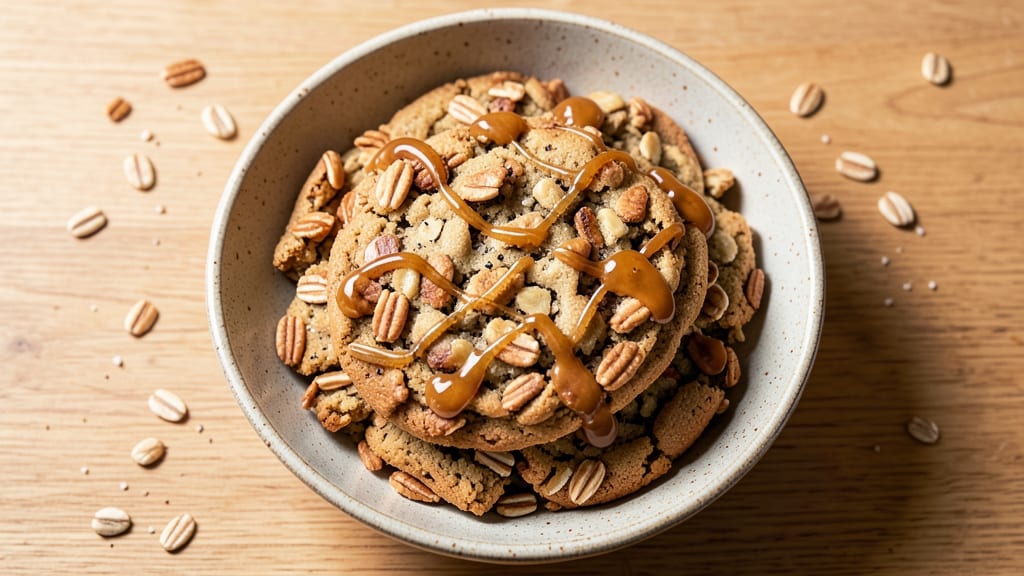
Quaker oatmeal breakfast cookies transform a morning staple into a protein-packed treat that feels like dessert but works as fuel. These no-bake energy bites combine the wholesome benefits of oats with the convenience of a 15-minute prep—no oven required.
I developed this recipe after years of testing breakfast cookies that either tasted too sweet or fell apart before morning. The secret lies in binding ingredients like eggs and peanut butter while keeping the texture dense and chewy.
The beauty of these cookies is their versatility—customize them with chocolate chips, nuts, or protein powder to match your dietary needs. They’re perfect for meal prep, packed lunches, or a quick energy boost before workouts.
With just 5 simple ingredients and a foolproof mixing technique, you’ll end up with cookies that taste homemade but require zero baking skill.
Each bite delivers a satisfying mix of textures: tender oats, creamy peanut butter, and a subtle sweetness from honey or maple syrup. The cookies hold their shape without crumbling, making them ideal for portioning into single-serving packs.
Store them in an airtight container for up to a week, or freeze for longer shelf life.
These cookies are designed to be adaptable—swap in flaxseed for extra fiber, add cinnamon for warmth, or use almond butter for a nut-free option. Whether you need a grab-and-go breakfast or a post-gym snack, this recipe delivers restaurant-quality results with minimal effort. Let’s get started!
Ingredients for quaker oatmeal breakfast cookie
Five core ingredients plus optional boosters. No oven, no crumbs, just protein-packed energy bites.
| Ingredient | Amount | Notes |
|---|---|---|
| Quaker Old-Fashioned Rolled Oats 🌾 | 2 cups | Uncooked, not instant |
| Natural Creamy Peanut Butter 🥜 | ¾ cup | No added sugar preferred |
| Large Eggs 🥚 | 2 whole | Room temperature for mixing |
| Pure Maple Syrup 🍯 | ½ cup | Grade B for richer flavor |
| Vanilla Extract 🌸 | 1 tsp | Pure vanilla preferred |
| Unsalted Butter 🧈 | ¼ cup | Softened, not melted |
| Ground Flaxseed 🌱 | ¼ cup | For extra fiber and binding |
| Cinnamon 🌿 | 1 tsp | Ground, for warmth |
| Sea Salt 🧂 | ½ tsp | Fine grain preferred |
| Mini Chocolate Chips 🍫 | ½ cup | Optional but recommended |
| Chopped Walnuts 🌰 | ¼ cup | Optional crunch element |
| Protein Powder 💪 | ¼ cup | Vanilla or unflavored |
The oats are the foundation—Quaker Old-Fashioned Rolled gives that perfect chewy texture. Bulk bins at Whole Foods or Trader Joe's often have the best quality, but any store-brand rolled oats work fine. The peanut butter should be natural and creamy—no hydrogenated oils or added sugars. I always grab Smucker's Natural when I'm stocking up, but any brand with just peanuts and salt is perfect. The eggs need to be room temperature for smooth mixing, so take them out 10 minutes before starting. For the maple syrup, Grade B has more flavor than Grade A, though either works. The vanilla extract should be pure—Nielsen-Massey is my go-to for consistent quality.
No peanut butter? Almond butter or sunflower seed butter works just as well, though texture varies slightly. Running low on eggs? Flax eggs (1 tbsp ground flaxseed + 3 tbsp water per egg) bind perfectly and add fiber. Swap the chocolate chips for dried fruit or white chocolate chips if preferred. The walnuts can be omitted or replaced with pecans or chopped almonds. Protein powder isn't essential but adds a nice boost—Orgain or Naked Nutrition are my top picks. For a nut-free version, use sunflower seed butter and omit nuts. The cinnamon and salt are non-negotiable—they balance sweetness and enhance flavor. If you're sensitive to salt, reduce to 1/4 tsp but don't skip it entirely.
These cookies keep beautifully—1 week in an airtight container at room temperature or 3 months in the freezer. Portion into single-serving packs for grab-and-go convenience. The texture improves after 24 hours as ingredients meld. For meal prep, make a double batch and freeze half. To reheat, microwave 10-15 seconds to soften slightly if preferred. The chocolate chips and nuts stay fresh longest if stored separately and added just before eating.
Why You'll Love This Recipe
- Five-Ingredient Magic: I swear by this combo—just oats, peanut butter, eggs, maple syrup, and vanilla. No fancy mixers, no measuring cups that never fit right. Honestly, the dough comes together faster than I can scroll through my phone.
- Peanut Butter Bliss: That creamy peanut butter and maple syrup? It’s like a warm hug in cookie form. The oats add texture without overpowering, and the vanilla ties it all together—sweet, nutty, and just a little chewy. (Yes, even on a Tuesday night.)
- Breakfast or Snack: Pack them for work, toss a batch in the lunchbox, or grab one on the go. They’re sturdy enough to survive a backpack but soft enough to eat cold straight from the jar. My kids fight over them—proof they’re universally loved.
- No-Waste Win: A single batch makes 20 cookies, and they stay fresh for days. Freeze extras for lazy mornings, and the cost? Less than $3. Between us, I’ve made this recipe so often I’ve memorized the measurements. That’s my kind of reliable.
Step-by-step instructions for Quaker oatmeal breakfast cookies
Here's how to make these protein-packed bites in under 15 minutes with no oven required.
Mix Wet Ingredients Until Smooth
In a medium bowl, combine the 2 whole large eggs, 0.5 cup pure maple syrup, 1 teaspoon vanilla extract, 0.25 cup softened unsalted butter, and 0.25 cup protein powder. Use a hand mixer or whisk for 2-3 minutes until completely smooth and free of lumps. The mixture should be thick but pourable—this ensures even distribution of ingredients later.
If you notice any dry protein powder clinging to the sides, add 1 tablespoon of warm water to help dissolve it completely. The eggs should be at room temperature for best results, as cold eggs can make the mixture too thick. Here's where the texture foundation gets built—don't rush this blending process.
Combine Dry Ingredients Thoroughly
In a separate large bowl, add the 2 cups Quaker old-fashioned rolled oats, 0.75 cup natural creamy peanut butter, 0.25 cup ground flaxseed, 1 teaspoon cinnamon, and 0.5 teaspoon sea salt. Mix these dry ingredients together until the peanut butter is fully incorporated and no dry spots remain. The oats should be evenly coated in the peanut butter, which helps bind everything together.
I like to use a silicone spatula for this step to ensure even distribution. If your peanut butter is particularly thick, you can warm it slightly in the microwave for 10-15 seconds to make mixing easier. The flaxseed will absorb some moisture, so don't be concerned if the mixture looks slightly clumpy at this stage—it will come together in the next step.
Fold Wet and Dry Mixtures Together
Pour the wet ingredient mixture into the dry ingredients bowl and gently fold everything together using the silicone spatula. Start by cutting through the center of the mixture with the spatula, then fold the edges toward the center. Work quickly but carefully to avoid overmixing, which can make the cookies dense. You're looking for a thick, dough-like consistency that holds together when pressed.
At this point, add the 0.5 cup mini chocolate chips and 0.25 cup chopped walnuts, folding them in gently. The chocolate chips should be evenly distributed, and the walnuts should be sprinkled throughout. If the mixture feels too dry, add 1-2 teaspoons of warm water to help bind it. The dough should be soft enough to roll into balls but firm enough to hold its shape when pressed.
Roll and Chill for Firmness
Using your hands, roll the mixture into 12 equal balls, each about 1.5 inches in diameter. Place them on a parchment-lined baking sheet or plate, spacing them about 1 inch apart. For a cleaner look, I like to lightly wet my fingers with water before rolling—this prevents the dough from sticking.
Refrigerate the cookies for 30 minutes to firm up. This chilling step is crucial for two reasons: it allows the flavors to meld and prevents the cookies from spreading when you're ready to serve. If you're in a hurry, you can place them in the freezer for 15 minutes instead. The texture should be firm enough to hold its shape when you pick one up.
Serve or Store for Later
Once chilled, your breakfast cookies are ready to enjoy. They're perfect for grabbing on the go or packing in lunchboxes. Store any leftovers in an airtight container in the refrigerator for up to 5 days, or freeze for up to 3 months. When you're ready to eat, let them sit at room temperature for 5-10 minutes to soften slightly—they'll be at their best when slightly firm but easy to bite into.
The cookies should have a rich, nutty flavor from the peanut butter and oats, with a subtle sweetness from the maple syrup. The chocolate chips add pockets of gooey sweetness, while the walnuts provide a satisfying crunch. Each bite delivers a balanced mix of protein, fiber, and energy to fuel your morning or afternoon.
Pro Tips For Making Quaker Oatmeal Breakfast Cookie
- Pulse the Oats: Ditch the food processor for a quick pulse in your mixer—just until the oats look like coarse sand. Over-processing turns them into flour, and your cookies will taste more like dense cake than chewy oatmeal. I learned this the hard way when my first batch came out disappointingly flat.
- Chill the Dough: Let the dough sit in the fridge for at least 30 minutes before baking. This prevents the cookies from spreading too much and gives you crispier edges. I used to skip this, and my cookies always ended up too soft—now they hold their shape perfectly.
- Measure Maple Syrup Precisely: Use a kitchen scale for the maple syrup—liquid measurements in cups can vary wildly. A little extra syrup makes them sticky, while too little makes them dry. My grandmother swore by this, and she was right: accuracy matters more than you’d think.
- Swap Eggs for Better Binding: If your dough feels too dry, add an extra egg yolk—it adds moisture and richness without altering the texture. I was skeptical until I tried it; now I keep a backup yolk on hand just in case. Works like a charm.
Regional styles of these flavors
Southern Comfort Style
In the South, these cookies get a warm, spiced twist with pecans instead of walnuts and a pinch of cayenne pepper for subtle heat. I like to fold in ½ cup dried cranberries for tartness and add 1 teaspoon of lemon zest to the wet ingredients.
The pecans caramelize slightly when stored, adding depth. Serve with a side of sweet tea for the ultimate Southern breakfast combo. 🌶️
Midwest Protein Boost
Midwestern versions focus on hearty ingredients like sunflower seed butter (for nut-free options) and vanilla protein powder. I swap the chocolate chips for dark chocolate chunks and add ½ cup shredded coconut for texture.
The key is using whey protein isolate for a cleaner protein boost without altering the cookie's texture. These hold up perfectly in school lunchboxes and pair well with apple slices. 💪
Pacific Northwest Crunch
West Coast bakers love adding toasted coconut flakes and chopped dried apricots for natural sweetness. I replace the walnuts with crushed hazelnuts and add ½ teaspoon of almond extract to the wet mix.
The result is a cookie with a toasty, nutty crunch that's perfect with chai tea or cold brew coffee. The apricots keep well in storage, making these great for meal prep. 🌰
New England Cheese Twist
For a cheesy variation, fold in ½ cup shredded sharp cheddar or cottage cheese into the dough. The cheese adds a tangy contrast to the sweetness, and I often use maple syrup from local Vermont producers.
Add ½ teaspoon of nutmeg for warmth. These cookies pair beautifully with black coffee or hot apple cider during colder months. 🧀
Tex-Mex Fusion
Spice it up with ½ teaspoon of chili powder and ¼ teaspoon of smoked paprika in the dry mix. Replace chocolate chips with dark chocolate chunks and add ¼ cup chopped pecans.
A drizzle of honey after rolling adds a sticky, caramelized finish. Serve with spiced orange juice for a breakfast that feels like a fiesta. 🌶️
West Coast Vegan Adaptation
For a plant-based version, use flax eggs (3 tbsp ground flaxseed + 9 tbsp water per egg) and almond butter or sunflower seed butter. Add ½ cup vegan chocolate chips and ¼ cup chopped dates for natural sweetness.
The texture remains chewy, and these cookies freeze beautifully for up to 3 months. Pair with almond milk latte for a creamy contrast. 🌱
Nutrition facts
Frequently asked questions
Can I make these without peanut butter?
Swap peanut butter for almond butter, sunflower seed butter, or even tahini for a nut-free option. Just note that the texture may be slightly denser. For a neutral flavor, use Greek yogurt or applesauce as a binder instead of nut butter.
Why are my cookies crumbling apart?
Crumbling usually means the dough wasn't properly bound. Make sure your peanut butter is fully incorporated and the eggs are room temperature. If the mixture feels dry, add 1-2 teaspoons of warm water to help bind it. Also, ensure you're chilling the cookies for 30 minutes before serving.
How do I make these vegan?
Replace the eggs with flax eggs (3 tbsp ground flaxseed + 9 tbsp water per egg) and use vegan protein powder or almond butter. Add vegan chocolate chips and dates for natural sweetness. The texture remains chewy, and these keep well in the freezer for 3 months.
Can I add extra protein without changing the texture?
Yes! Add vanilla protein powder (up to ½ cup) or mix in collagen peptides (1-2 tbsp). For a cheesy boost, fold in ½ cup shredded cheddar. These additions won't alter the cookie's texture significantly if mixed thoroughly. Just ensure your wet ingredients are fully combined first.
How do I prevent the cookies from sticking to my hands?
Lightly wet your fingers with water before rolling the dough. This creates a barrier that prevents sticking. If the dough is too wet, add 1-2 tablespoons of extra oats to absorb moisture. For extra cleanliness, use a cookie scoop or spoon to portion the dough before rolling.