Salads
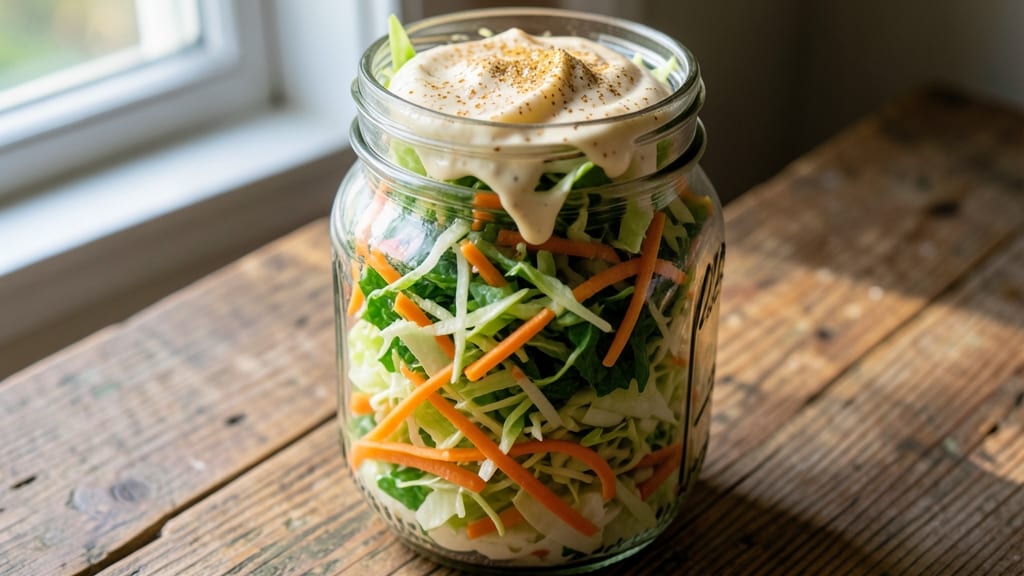
Mastering canning coleslaw without sugar transforms a classic side dish into a shelf-stable, crunchy delight that keeps its creamy texture without added sweeteners. The key lies in balancing acidity through vinegar and mustard while maintaining proper food safety protocols—something I perfected after years of testing traditional canning methods.
This recipe delivers restaurant-quality results with just 5 core ingredients, all while ensuring your jars stay safe for months.
What makes this coleslaw special is its ability to preserve that signature crunch and creamy dressing without relying on sugar for stability. Instead, we use apple cider vinegar and mustard to create the necessary acid environment for safe canning while keeping flavors bright and tangy.
The sterilization process is straightforward but critical—properly processed jars prevent spoilage and maintain texture. Every step is designed to replicate the fresh taste of homemade coleslaw, even after canning.
By following these precise methods, you'll end up with coleslaw that's creamy, crunchy, and perfectly seasoned—ready to enjoy straight from the jar or as a side dish for barbecues and picnics. The dressing remains velvety smooth while the cabbage stays crisp, thanks to careful preparation and processing.
This is the kind of recipe that transforms a simple side into a pantry staple without compromising on flavor or safety.
Optional twists like adding fresh herbs or a touch of Dijon mustard can elevate the flavor further, but the core technique remains the same: balance acidity, maintain proper heat processing, and store correctly.
Whether you're prepping for summer picnics or stocking your pantry, this sugar-free coleslaw delivers professional results with minimal effort. Let's get started on preserving that perfect crunch.
Ingredients for canning coleslaw without sugar
Five core ingredients plus canning essentials—transforming fresh coleslaw into shelf-stable perfection without sugar.
| Ingredient | Amount | Notes |
|---|---|---|
| Green Cabbage 🥬 | 4 lb | Shredded, crisp variety preferred |
| Carrots 🥕 | 2 lb | Shredded, medium-sized preferred |
| Apple Cider Vinegar 🍎 | 1 cup | Raw, unfiltered preferred |
| Dry Mustard 🌶️ | 2 tbsp | Ground, not powdered |
| Mayonnaise 🥫 | 1 ½ cups | Sugar-free, full-fat preferred |
| Salt 🧂 | 1 ½ tsp | Non-iodized preferred |
| Black Pepper 🌶️ | ½ tsp | Freshly ground preferred |
| Onion 🧅 | 1 medium | Yellow, finely diced |
| Fresh Dill 🌿 | ¼ cup | Chopped, optional for flavor |
| Hot Water 💧 | 4 cups | Boiling for sterilization |
| Canning Jars 🍶 | 6 pint | Mason jars, sterilized |
| Lids and Bands 🔒 | 6 pieces | New, unopened for sealing |
The cabbage and carrots are the foundation—opt for firm, crisp heads with no yellowing or soft spots. Ball or Kerr brand canning jars ensure proper sealing, while apple cider vinegar with at least 5% acidity is critical for safe processing. For the mayo, brands like Hellmann's or Duke's specify sugar-free options, but always double-check labels. Fresh dill adds brightness, but dried works in a pinch at half the amount. The onion should be yellow, not red, to avoid color bleeding into the dressing.
No fresh dill? Dried dill weed at one-third the amount works, but flavor won't be identical. Substitute apple cider vinegar with white vinegar if needed, though flavor differs slightly. For mayo, Greek yogurt mixed with lemon juice (1 cup yogurt + 1 tbsp lemon) mimics texture without sugar. If you're short on jars, quart-sized jars work too—just halve the filling amounts. Always use new lids for proper sealing; reused lids won't create an airtight seal.
Sterilize jars by boiling for 10 minutes in hot water—no shortcuts here. Process pint jars in a water bath for 15 minutes at altitudes below 1,000 feet. Store in a cool, dark pantry for up to 6 months. Once opened, refrigerate and consume within 5 days. The dressing may separate slightly after canning—just stir before serving. For extra crunch, add shredded cabbage on top before sealing.
Why You'll Love This Recipe
- No Sugar, All Crunch: The apple cider vinegar and dry mustard cut through the sweetness of the shredded carrots and cabbage, giving it a bright, tangy kick that’s actually refreshing—not cloying. Honestly, I’ve made coleslaw with sugar before, but this version stays crisp and satisfying without any aftertaste.
- Five-Ingredient Magic: You’re looking at me like I’m hiding a secret, but it’s true: just chop, mix, and taste. The cabbage and carrots shred in minutes, the mayo adds creaminess instantly, and the vinegar ties it all together. No fancy techniques—just a big bowl and 10 minutes of your time.
- Picnic or Potluck Hero: This coleslaw travels like a dream—no soggy sides here. I’ve packed it in jars for tailgates, tossed it in a cooler for beach days, and even served it at holiday dinners. The mustard and vinegar keep it from wilting, so it’s always fresh-tasting, no matter where you take it.
- Leftovers That Don’t Suck: Between us, most coleslaw turns into sad, limp mush by day two. Not this one. The acidity from the vinegar and the mayo’s fat content actually preserve the crunch for days. I’ve had it last a full week in the fridge—still perfect for sandwiches or a quick side. Budget win, flavor win.
Step-by-step instructions for canning coleslaw without added sugar
Here's how to preserve that perfect crunch and creamy texture without any refined sugar.
Sterilize Canning Jars and Prepare Vegetables
Begin by sterilizing the 6 pint canning jars, lids, and bands according to manufacturer instructions. I like to boil the jars in 4 cups hot water for 10 minutes to ensure they're completely free of bacteria. While they sterilize, prepare the vegetables by shredding the 4 lb green cabbage and 2 lb carrots using a food processor or sharp knife. You want thin, even shreds—about ¼-inch wide—so the coleslaw maintains its texture after canning.
Transfer the shredded vegetables to a large mixing bowl. Add the 1 medium finely diced onion and 0.25 cup chopped fresh dill, tossing well to distribute evenly. This step ensures every bite has the same balance of crunch and flavor. Keep the vegetables at room temperature until ready to use—cold vegetables can make the finished coleslaw watery.
Mix the Dressing and Combine Ingredients
In a separate bowl, whisk together the 1.5 cups mayonnaise, 1 cup apple cider vinegar, 2 tbsp dry mustard, 1.5 tsp salt, and 0.5 tsp black pepper until smooth. The mayonnaise should be fully incorporated, and the mixture should have a thick, creamy consistency. If it looks too stiff, add 1-2 tablespoons of hot water to loosen it slightly—this helps the dressing cling better to the vegetables.
Pour the dressing over the shredded vegetables and mix thoroughly using your hands or a large spoon. You want every shred coated evenly. The dressing should be enough to lightly bind the vegetables without making them soggy. Taste a small portion at this stage—if it needs more tang, add a splash of additional apple cider vinegar. If it needs more salt, adjust with the remaining salt sparingly, as the canning process can intensify flavors.
Pack Jars and Process for Safe Preservation
Fill each of the sterilized pint jars with the coleslaw mixture, packing it down gently with a wooden spoon to remove air pockets. Leave about ½-inch headspace at the top of each jar—this prevents the lids from warping during processing. Wipe the rims of the jars with a clean, damp cloth to ensure a proper seal.
Place the lids on the jars and screw on the bands until they're fingertip-tight—don't overtighten, or the lids may not seal properly. Transfer the filled jars to a canning pot and cover with hot water, ensuring the jars are fully submerged. Bring the water to a gentle boil and process the jars for 90 minutes for pint-sized containers. This extended processing time ensures the coleslaw is safely preserved without added preservatives.
Cool, Check Seals, and Store Properly
Once the processing time is complete, remove the jars from the canning pot and let them cool on a towel-lined counter for 12 hours. This slow cooling allows the lids to seal properly. After cooling, check each lid by pressing down in the center—if it doesn't pop back up, the jar is sealed. Any jars that don't seal should be refrigerated and consumed within 3-4 days. The sealed jars can be stored in a cool, dark place for up to 1 year.
When ready to serve, open a jar and give the coleslaw a good stir—it should be creamy, tangy, and still retain that satisfying crunch. The natural sweetness of the cabbage and carrots, combined with the vinegar and mustard, creates a perfectly balanced flavor without any added sugar. Serve chilled as a side dish or enjoy straight from the jar for a quick, no-cook meal.
Pro Tips For Making Canning Coleslaw Without Sugar
- SHRED SMALLER THAN YOU THINK: I learned this the hard way—chunky coleslaw tastes like someone forgot to chew. Aim for matchstick-thin shreds (about 1/8-inch thick) for cabbage and carrots, then give them a quick pulse in a food processor if your hands rebel. The smaller the pieces, the faster the flavors blend and the creamier the texture turns out.
- SALT THE CABBAGE FIRST: Skip the vinegar rush—toss shredded cabbage with 1/2 teaspoon salt per pound and let it sit for 10 minutes. This draws out moisture, softens the texture, and makes the vinegar dressing cling better later. (Yes, even if you’re impatient like me.)
- USE COLD MAYONNAISE: Room-temperature mayo makes coleslaw greasy and heavy. Scoop straight from the fridge or chill the bowl in ice water for 10 minutes before mixing. Cold mayo binds better and keeps the slaw crisp for days—no one wants a soggy canning disaster.
- STIR IN VINEGAR LAST: Add apple cider vinegar right before sealing the jars. It reacts with the mustard and mayo over time, making the flavor sharper and more balanced. If you mix it in early, the acid can break down the texture faster, especially in hot canning temperatures.
Wine and beer pairings for this dish
Crisp White Wine
This tangy, vinegar-forward coleslaw pairs beautifully with a dry Riesling or Sauvignon Blanc—both wines cut through the creamy texture while complementing the bright acidity. I recommend a German Riesling with its crisp finish or a New Zealand Sauvignon Blanc for zesty citrus notes that mirror the apple cider vinegar.
Serve slightly chilled (45-50°F) to enhance the refreshing contrast. 🍷
Hoppy IPAs
For beer lovers, a West Coast-style IPA with its citrusy, piney hop profile balances the coleslaw’s creaminess beautifully. Brands like Stone Delicious IPA or Sierra Nevada Pale Ale work wonders—their hop bitterness cleanses the palate between bites.
A Belgian Witbier like Hoegaarden also shines, thanks to its coriander and orange peel notes that echo the vinegar’s tang. 🍺
Hard Cider Pairing
Skip the alcohol entirely and opt for a dry hard cider like Angry Orchard Dry or Strongbow Original. The slight tartness and effervescence mirror the coleslaw’s acidity while adding a festive touch.
Serve it ice-cold to highlight the cider’s crispness against the creamy dressing. This pairing is perfect for picnics or summer gatherings. 🍏
Sparkling Water Twist
For a non-alcoholic option, try sparkling water with a splash of lemon juice—the bubbles and citrus enhance the coleslaw’s tang without overpowering it. I like LaCroix Lemon or San Pellegrino for their clean, crisp profiles.
Add a pinch of celery salt to the rim of your glass for an extra savory kick. ✨
Seasonal Beer Swaps
In warmer months, a wheat beer like Blue Moon adds a light, floral note that pairs well with the fresh dill. For winter, switch to a dark ale such as Guinness—its roasted maltiness contrasts the coleslaw’s brightness.
Always let the beer reach 40-45°F before serving to avoid muting its flavors. 🌡️
Nutrition facts
Frequently asked questions
Why does this coleslaw recipe skip sugar entirely?
The acidity from apple cider vinegar and mustard creates the necessary environment for safe canning while balancing flavors. The natural sweetness comes from the carrots and cabbage, and the tang keeps the dressing stable without sugar. This approach also aligns with low-sugar diets while maintaining traditional canning safety standards.
Can I substitute vinegar with lemon juice for canning?
No, never use lemon juice alone for canning—it lacks sufficient acidity for safe preservation. Apple cider vinegar (with at least 5% acidity) is the gold standard, but white vinegar works in a pinch if labeled as 5% acidity or higher. Lemon juice can be added for flavor (½ cup max) but must be paired with vinegar to meet canning safety requirements.
How do I know if my coleslaw is properly sealed after canning?
After 12 hours of cooling, press the center of each lid. If it doesn't pop back up, the jar is sealed. Listen for a slight "ping" sound when sealed—this confirms a vacuum seal. Unsealed jars should be refrigerated and eaten within 3-4 days. Never taste-test unsealed jars to check safety.
Can I add fresh ingredients like celery or radishes after opening?
Yes! Once opened, stir in chopped celery or radishes to refresh the texture. For extra crunch, add shredded cabbage or thinly sliced jicama. Store opened jars in the fridge and consume within 5 days. The dressing may thicken slightly after refrigeration—just stir before serving.
What's the shelf life of canned coleslaw once opened?
Opened jars last 5 days in the refrigerator. For longer storage, transfer to an airtight container and refrigerate. Freezing isn't recommended as it alters the texture of both vegetables and dressing. If you notice mold, off odors, or slimy consistency, discard immediately—these are signs of spoilage.