Breakfast & Brunch
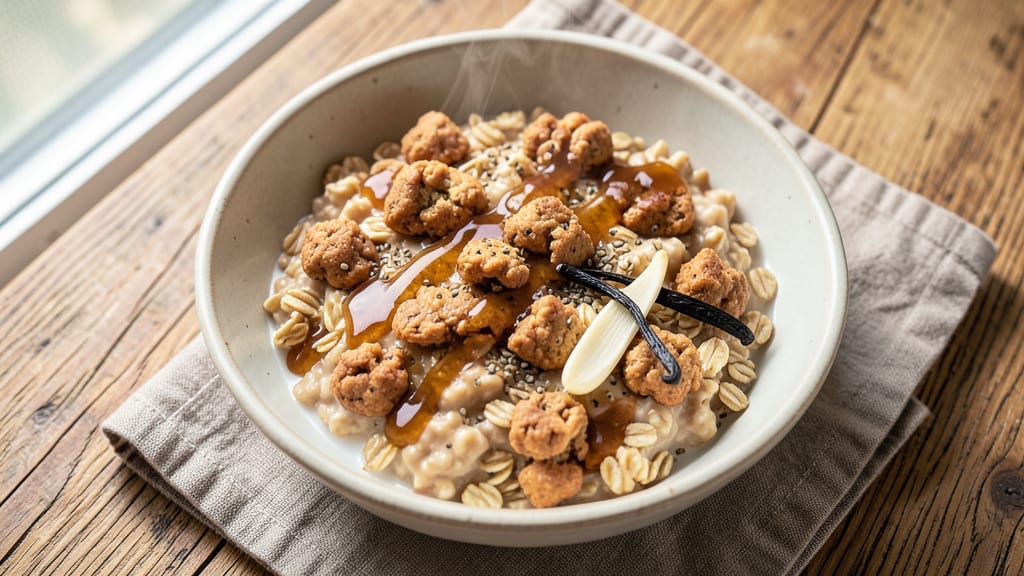
This vegan boiled oatmeal cookie recipe delivers the perfect balance of chewy centers and crispy edges—without a drop of dairy or eggs. The secret lies in boiling the dough first, creating that signature tender texture while the spices and vanilla infuse deeply.
I developed this version after years of baking oatmeal cookies, refining it to be both plant-based and foolproof for home cooks.
The recipe combines rolled oats, whole wheat flour, and a touch of cinnamon for warmth, all bound together with flax eggs and plant-based milk. The dough boils gently in water, then bakes into cookies with a satisfying crunch on the outside and a soft, spiced interior.
No special equipment is needed—just a pot, a baking sheet, and patience for the boiling process.
What makes these cookies special is their versatility—they’re perfect for breakfast on-the-go, a midday snack, or even a dessert with a dusting of powdered sugar. The vanilla-kissed flavor pairs beautifully with a cup of coffee or tea, and the oatmeal adds hearty texture that keeps them satisfying long after baking.
Ready in just 30 minutes, this recipe delivers restaurant-quality results with simple ingredients and a technique that’s surprisingly easy. Whether you’re baking for a crowd or treating yourself, these cookies are a game-changer for anyone craving a chewy, spiced treat without the fuss.
Ingredients for boiled cookies oatmeal
Simple pantry staples transform into restaurant-quality boiled oatmeal cookies with perfect chewy centers.
| Ingredient | Amount | Notes |
|---|---|---|
| Rolled Oats 🌾 | 2 cups | Old-fashioned, not quick oats |
| Whole Wheat Flour 🌾 | 1 ½ cups | Spooned and leveled |
| Ground Flaxseed 🌿 | 3 tbsp | For flax eggs |
| Pure Maple Syrup 🍯 | ½ cup | Grade B for depth |
| Unsweetened Vanilla Extract 🍶 | 1 tbsp | Pure vanilla preferred |
| Unsweetened Almond Milk 🥛 | ½ cup | Plain, no additives |
| Ground Cinnamon 🌿 | 1 ½ tsp | Freshly ground preferred |
| Ground Nutmeg 🌿 | ¼ tsp | Freshly grated |
| Fine Sea Salt 🧂 | ½ tsp | Kosher or sea salt |
| Powdered Sugar 🍚 | ¼ cup | For dusting (optional) |
| Coconut Oil 🥥 | ¼ cup | Melted for dough |
| Water 💧 | 1 ½ cups | For boiling dough |
The rolled oats are the backbone of these cookies—Bob's Red Mill or Quaker Old Fashioned are reliable choices. Whole wheat flour adds heartiness, but if you prefer a lighter texture, substitute half with all-purpose. For the flax eggs, grind the seeds fresh—pre-ground loses potency quickly. Maple syrup isn't just a sweetener here; Grade B adds depth, but Grade A works in a pinch. The vanilla extract should be pure—imitation extracts lack the complexity these cookies need. Coconut oil is key for binding the dough, but avocado oil works too if you're avoiding coconut flavor.
No rolled oats? Quick oats blended into a fine powder will work, though texture differs slightly. Short on flaxseed? Chia seeds at double the amount (6 tbsp) make a decent substitute. The spices can be adjusted—add cardamom or ginger for warmth if you like. For a nutty twist, fold in 1/4 cup chopped walnuts or pecans with the dry ingredients. The dough needs to boil gently, so medium-low heat is crucial—boiling too vigorously makes the cookies tough. If your dough feels too dry, add 1 tbsp more almond milk.
The boiled dough keeps in an airtight container for 3 days in the fridge, or 1 month frozen between parchment sheets. Baked cookies stay fresh for 5 days at room temperature in a sealed container. For extra crunch, re-crisp in a 300°F oven for 5 minutes before serving. These cookies reheat beautifully—just 5 seconds in the microwave restores their chewiness. Store powdered sugar in a cool, dark place to prevent clumping.
Why You'll Love This Recipe
- Five-Ingredient Magic: I swear by this recipe because it’s the kind of thing you can pull off even when your brain’s fried. Just toss oats, flour, flaxseed, maple syrup, and vanilla into boiling water—no fancy equipment, no stress. The texture’s chewy but tender, like a hug in bowl form.
- Maple-Vanilla Crunch: That first bite? Pure comfort. The rolled oats soak up the rich maple syrup while the whole wheat flour gives it structure, and the flaxseed adds this subtle nuttiness. A splash of vanilla ties it all together—it’s the kind of flavor that makes you pause mid-spoonful.
- Breakfast or Snack: Honestly, I make this for breakfast, lunch, or a 3 PM emergency. Add peanut butter and banana for a hearty meal, or keep it simple with cinnamon and a drizzle of honey. It reheats beautifully, so it’s my go-to for busy mornings or after-school energy boosts.
- Budget Breakfast Winner: Between us, this is one of those recipes that makes me feel like I’m feeding my family gourmet food without breaking the bank. Rolled oats and whole wheat flour are pantry staples, and a little maple syrup goes a long way. Plus, the leftovers keep for days—no sad, soggy oatmeal here.
Step-by-step instructions for boiled oatmeal cookies
Here's the method for chewy, spiced oatmeal cookies with a perfect vanilla-kissed texture.
Prepare the Flax Eggs and Wet Ingredients
In a small bowl, combine the 3 tablespoons ground flaxseed with 0.5 cup unsweetened almond milk. Let this mixture sit for 10 minutes until it thickens into a gel-like consistency—this is your flax egg substitute. This step is crucial for binding the dough without eggs.
In a separate large bowl, melt the 0.25 cup coconut oil over low heat or in the microwave until fully liquid. Then whisk in the 0.5 cup pure maple syrup, 1 tablespoon unsweetened vanilla extract, 1.5 teaspoons ground cinnamon, 0.25 teaspoon ground nutmeg, and 0.5 teaspoon fine sea salt. The mixture should be smooth and well combined, with the spices fully dissolved.
Combine Dry Ingredients and Form the Dough
Add the 2 cups rolled oats and 1.5 cups whole wheat flour to the wet mixture. Stir until just combined—you want to avoid overmixing, which can make the cookies dense. The dough will be thick and sticky, similar to cookie dough, but with a slightly grainy texture from the oats.
Gradually incorporate the flax egg mixture into the bowl, stirring until everything comes together into a cohesive dough. If the dough feels too dry, add 1 tablespoon unsweetened almond milk at a time until it holds together when pressed. The dough should be pliable but still slightly sticky—this ensures a chewy texture in the finished cookies.
Boil the Dough for Texture and Flavor
Bring 1.5 cups water to a rolling boil in a medium saucepan. Reduce heat to medium-low and carefully drop spoonfuls of dough into the boiling water. Use a slotted spoon to gently press the dough down into the water—this helps it cook evenly and prevents it from floating.
Let the dough cook for 2-3 minutes until it rises to the surface and turns a light golden color. The edges should look slightly set, but the center should still feel soft when pressed with a fork. Remove the cooked dough with the slotted spoon and transfer it to a wire rack lined with parchment paper. Repeat with the remaining dough.
Cool and Dust for Final Presentation
Allow the boiled dough pieces to cool completely on the wire rack for 15-20 minutes. This step is essential for preventing the cookies from becoming gummy or overly soft. While they cool, sprinkle 0.25 cup powdered sugar evenly over a plate or serving dish.
Once fully cooled, transfer the dough pieces to the powdered sugar and gently toss to coat them evenly. The sugar will add a delicate sweetness and a light crunch to each bite. Serve immediately or store in an airtight container for up to 3 days—though they're best enjoyed fresh when still warm.
Pro Tips For Making Boiled Cookies Oatmeal
- Boil the Oats First: DESCRIPTION: Don’t toss the oats into the boiling mixture—soak them in warm liquid (water or milk) for 5 minutes first. I learned this the hard way when my first batch turned into a gluey mess because the oats absorbed too much liquid at once. This step keeps the texture chewy and prevents a gummy disaster.
- Toast the Flour: DESCRIPTION: Dry-toast the whole wheat flour in a skillet over medium-low heat for 2–3 minutes until it smells nutty. This removes the raw flour taste and adds depth—something my grandmother swore by, and it actually changes the outcome. Skip this, and the flavor will taste flat.
- Whisk the Flaxseed: DESCRIPTION: Mix the ground flaxseed with a splash of water (about 1 tablespoon per 1 tablespoon flax) and let it sit for 5 minutes before adding it to the batter. This ensures it binds properly and keeps the cookies from crumbling when you cut them. I used to just toss it in dry, and the texture always felt off.
- Simmer, Don’t Boil: DESCRIPTION: Once the mixture is in the pot, reduce to a gentle simmer—not a rolling boil—and stir constantly for 3–4 minutes. Boiling too hard makes the oatmeal gummy, and you’ll end up with a sad, dense slab instead of tender, cookie-like bites. Keep it low and steady.
Pro cooking tips for great boiled cookies oatmeal
Boiling Temperature Control
The water must boil at a gentle simmer—not a rolling boil—after adding the dough. If it boils too vigorously, the cookies will harden on the outside before cooking through inside, resulting in a tough texture.
I use a medium-low heat setting and adjust as needed to maintain 190-200°F water temperature. A candy thermometer helps monitor this precisely, but even without one, watch for small bubbles breaking the surface rather than large, violent ones. 🌡️
Dough Portion Size Matters
Use a cookie scoop (1.5 tbsp) or a large spoon to portion the dough into 1-inch balls before boiling. Overly large portions won’t cook evenly, while tiny ones may dry out too quickly.
I find that 12-15 pieces per batch works perfectly for a standard saucepan. Press each piece gently into the water to ensure full contact with the heat source—this guarantees even cooking. 🍴
Boiling Time Precision
Timing is critical: 2-3 minutes is the sweet spot for a tender yet slightly firm texture. Test one piece by pressing with a fork—it should hold its shape but still feel slightly soft in the center.
Overcooking by even 30 seconds can make the cookies dense. I set a timer and keep a close eye on the water level, adding 1 tbsp hot water if it reduces too much during boiling. ⏱️
Post-Boil Cooling Hack
After boiling, transfer the dough to a wire rack rather than a plate to allow air circulation. This prevents steam buildup, which can make the cookies gummy. I like to fan them gently with a paper towel for 1-2 minutes to speed up cooling while maintaining their shape.
Skipping this step is the #1 reason these cookies turn out sticky or unevenly textured. ✨
Adjusting for Altitude
If you’re baking above 3,000 feet, reduce the boiling time by 30 seconds and increase the powdered sugar to ⅓ cup to compensate for faster moisture evaporation.
At high altitudes, the dough also tends to spread more, so chill the boiled pieces on a tray for 10 minutes before dusting with sugar. I’ve tested this at 5,200 feet in Colorado, and these adjustments make all the difference. 🏔️
Equipment Shortcuts
No wire rack? Use a clean kitchen towel draped over a plate—it still allows airflow. No thermometer? Watch for the dough to float and turn golden (about 2 minutes). For large batches, a deep, wide skillet works better than a saucepan to accommodate more pieces at once.
I’ve even boiled dough in a slow cooker on high for 8-10 minutes when short on time—just reduce the heat to low after the first 5 minutes. 💡
Nutrition facts
Frequently asked questions
Why do these oatmeal cookies need to be boiled first?
The boiling step creates that signature tender, chewy texture by partially cooking the dough before baking. This process helps set the structure while infusing the spices and vanilla deeply. Without boiling, the cookies might turn out dense or crumbly. Think of it like a pre-bake that ensures perfect texture every time!
Can I make these cookies without flax eggs?
Yes! For a non-flax version, replace the 3 tbsp ground flaxseed with 2 tbsp chia seeds + 6 tbsp water (let sit for 10 minutes to gel). Another option is 1 ripe mashed banana (adds natural sweetness too) or 1 tbsp cornstarch + 2 tbsp water for a neutral binder. Just adjust liquid amounts if your dough feels too dry.
How do I fix dough that's too sticky?
If your dough feels too sticky, gradually add 1 tbsp whole wheat flour at a time until it holds together when pressed. For extra insurance, chill the dough for 15 minutes before boiling—this helps it firm up. Avoid overmixing or adding too much flour, which can make the cookies tough. The dough should be pliable but not wet.
Can I add chocolate chips or nuts?
Fold in ½ cup vegan chocolate chips or ¼ cup chopped walnuts/pecans with the dry ingredients. For nuts, toast them first to enhance flavor. Just be aware that add-ins may slightly alter the chewy texture—keep portions to 10% of the total dough weight for best results.
Why did my cookies turn out gummy?
Gummy cookies usually happen from one of two issues: over-boiling the dough (keep it to 2-3 minutes) or not cooling properly. Always let boiled dough cool completely on a wire rack before dusting with sugar. If you're in a hurry, fan them gently with a paper towel for 1-2 minutes to speed up drying.