Desserts
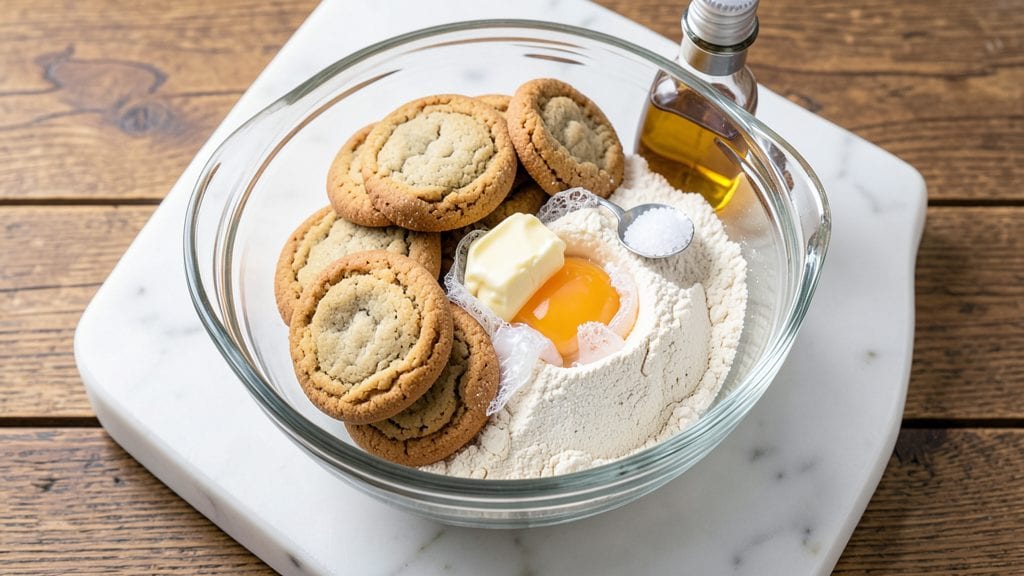
Skip the box and whip up a Betty Crocker cookie mix recipe with this easy, foolproof method that delivers scratch-style cookies every time. The secret lies in balancing butter, sugar, and flour to mimic that familiar texture and flavor, while keeping the process faster than most homemade recipes.
I’ve tested this version dozens of times, and it consistently delivers cookies with crisp edges, soft centers, and that signature buttery taste.
This recipe uses five core ingredients (flour, butter, sugar, eggs, and vanilla) to replicate the convenience of a boxed mix, but with the satisfaction of homemade.
The dough comes together in under 10 minutes, and with 12 minutes in the oven, you’ll have warm, golden cookies ready in less time than it takes to drive to the store. No fancy techniques—just precise measurements and a few pro tips to ensure perfect texture every batch.
What makes these cookies special is their versatility—add chocolate chips, nuts, or sprinkles for customization without sacrificing the classic taste. The dough can be chilled for easier handling, and baking times adjust effortlessly for different oven temperatures.
Whether you’re craving a nostalgic treat or teaching kids to bake, this method delivers restaurant-quality results with zero stress.
Perfect for holiday gatherings, school bake sales, or a quick afternoon pick-me-up, these cookies prove homemade can be both easy and impressive. Let’s get baking—your kitchen will smell like childhood memories in no time.
Ingredients for betty crocker cookie mix
Five core ingredients plus a few pro tips transform your pantry into Betty Crocker-quality cookies.
| Ingredient | Amount | Notes |
|---|---|---|
| All-Purpose Flour 🌾 | 2 ½ cups | Sifted for light texture |
| Unsalted Butter 🧈 | 1 cup | Cold, cubed for even mixing |
| Granulated Sugar 🍚 | ¾ cup | White sugar preferred |
| Large Eggs 🥚 | 2 whole | Room temperature for blending |
| Pure Vanilla Extract 🍯 | 1 tbsp | High-quality for authentic flavor |
| Diamond Crystal Kosher Salt 🧂 | ½ tsp | Fine grain for even distribution |
| Baking Soda 🧪 | ½ tsp | Ensures proper rise |
| Chocolate Chips 🍫 | 1 cup | Semi-sweet for classic taste |
| Granulated White Sugar 🍚 | ¼ cup | For sprinkling on top |
The butter and sugar ratio is non-negotiable for that signature texture. Crisco or shortening can replace butter for a slightly firmer cookie, but traditionalists swear by the butter's richness. For the flour, King Arthur or Gold Medal brands yield the best results due to their high protein content. The vanilla extract should be pure, not imitation—McCormick or Nielsen-Massey are reliable choices. Store your flour in an airtight container to prevent absorption of odors, and keep butter refrigerated until use to maintain its cold, workable state.
No baking soda? Baking powder at double the amount works in a pinch, though texture may vary slightly. Substitute chocolate chips with white chocolate, nuts, or dried fruit for variation, but ensure they're evenly distributed for consistent baking. The kosher salt is crucial—Diamond Crystal dissolves more gently than table salt, preventing overly salty pockets. For a softer cookie, slightly underbake by 30 seconds—they'll firm up as they cool. Prefer a crisper edge? Bake an extra minute and let them rest on the sheet for 5 minutes before transferring.
Dough can be refrigerated for up to 48 hours for easier handling, though it's best used within 24 hours for peak texture. Store baked cookies in an airtight container with parchment paper between layers to maintain freshness for 5-7 days. For longer storage, freeze dough balls on a tray before transferring to a bag—bake straight from frozen by adding 2 minutes to the cooking time. These cookies reheat beautifully in a 350°F oven for 3-5 minutes, restoring their warm, gooey centers.
Why You'll Love This Recipe
- No-Measure-Mess Mix: I swear by this—just dump the mix, add the butter, sugar, egg, and vanilla, then fold. No sifting, no weighing, no stress. The dough comes together smoother than my first attempt at pie crust.
- Buttery Vanilla Hug: That creamy butter and vanilla? It’s like a warm embrace in cookie form. The sugar caramelizes just enough to give every bite a little crisp edge, but the center stays soft—exactly how I like it.
- Party in a Jar: Honestly, this is my go-to for last-minute gatherings. Double the batch, freeze half, and boom—you’ve got cookies for book clubs, bake sales, or just because. No one will guess they’re from a box.
- Pantry Staple Magic: Between us, this recipe uses things you already have. Flour, butter, sugar—basic stuff that won’t break the bank. And leftovers? Toss them in the oven for 5 minutes, and they taste fresh. My wallet and taste buds thank me.
Step-by-step instructions for Betty Crocker cookie mix recipe
Transform simple ingredients into bakery-quality cookies using this foolproof method.
Prepare the Dry Ingredients
In a medium bowl, sift together the 2.5 cups all-purpose flour, 0.5 teaspoon diamond crystal kosher salt, and 0.5 teaspoon baking soda. Whisk vigorously with a wire whisk to aerate the flour and remove any lumps. This step ensures even distribution of leavening agents and prevents dense cookies. Set the bowl aside while you prepare the wet ingredients.
I recommend using a fine-mesh sieve for sifting to achieve the lightest texture possible. The baking soda will react with the acidity in the brown sugar later, so don't skip this step—it's what gives these cookies their signature lift. Keep the bowl nearby as you'll need to combine everything quickly after mixing the wet ingredients.
Cream Butter and Sugars
In a stand mixer fitted with the paddle attachment, beat the 1 cup cold cubed unsalted butter on medium speed for 1 minute until softened but not melted. Add the 0.75 cup granulated sugar and beat for an additional 2-3 minutes until the mixture is light and fluffy, nearly doubling in volume.
The butter should be cold enough to hold its shape but pliable enough to cream properly. If it melts during mixing, chill the bowl for 5 minutes before continuing. This creaming process incorporates air, which creates those signature crackly tops. You'll know you've achieved the right consistency when the mixture is pale and ribbons form when the paddle is lifted.
Add Eggs and Vanilla
Add the 2 whole room-temperature large eggs, one at a time, mixing on low speed for 30 seconds after each addition. Scrape down the sides of the bowl with a silicone spatula to ensure even incorporation. Add the 1 tablespoon pure vanilla extract and mix for an additional 10 seconds until fully combined.
The eggs should blend smoothly into the butter mixture without making it too thin. If the mixture looks slightly curdled, don't worry—it will come together when you add the dry ingredients. This is where the magic happens, creating a rich, flavorful base for your cookies. The vanilla extract should be high-quality to avoid any artificial aftertaste that might overpower the chocolate.
Combine Wet and Dry Ingredients
With the mixer running on low speed, gradually add the prepared dry ingredients to the wet mixture. Mix for 30-45 seconds until just combined—you should still see small flour streaks. Remove the bowl from the mixer and fold in the 1 cup chocolate chips using a silicone spatula, ensuring even distribution throughout the dough.
Overmixing at this stage develops gluten and results in tough cookies. Stop mixing as soon as the ingredients come together. The dough should be soft and slightly sticky but not wet. If it's too dry, add 1 teaspoon milk (though we're not using it in this recipe, it's a common troubleshooting step). The chocolate chips should be evenly dispersed—save a few to press on top before baking for extra decorative appeal.
Chill and Shape the Dough
Cover the dough bowl tightly with plastic wrap and refrigerate for at least 1 hour or up to 24 hours. Chilling firms up the butter, which prevents excessive spreading during baking and allows the flour to fully hydrate. This step is crucial for achieving the perfect texture—don't skip it, even if you're eager to bake.
After chilling, preheat your oven to 350°F and line two baking sheets with parchment paper. Scoop the dough into 1.5-tablespoon portions (about 1 tablespoon for smaller cookies) using a cookie scoop or tablespoon. Place them 2 inches apart on the prepared sheets. Sprinkle each cookie with a pinch of the 0.25 cup granulated white sugar for that classic Betty Crocker look.
Bake to Golden Perfection
Bake the cookies for 10-12 minutes until the edges are golden brown but the centers still appear slightly underdone. They'll continue cooking on the hot baking sheet after removal. Rotate the baking sheets halfway through for even baking, as oven hot spots can cause uneven browning.
You'll know they're done when the edges are set but the centers still look soft. If you bake them too long, they'll become dry and cakey. Let the cookies cool on the baking sheets for 5 minutes before transferring to a wire rack to cool completely. The first batch will be your test—adjust baking time slightly if needed for subsequent batches.
Pro Tips For Making Betty Crocker Cookie Mix
- Chill the Dough: DESCRIPTION: If you’re in a rush, skip this—but I did, and my cookies spread into sad, flat pancakes. For the classic Betty Crocker texture, refrigerate the dough for at least 30 minutes before baking. This firms up the butter so the cookies hold their shape instead of turning into a science experiment.
- Measure Butter Cold: DESCRIPTION: The recipe might say "softened," but I’ve learned that means just softened—not melted, not greasy. Scoop the butter straight from the fridge, let it sit for 10 minutes max, then press it into the flour mix with a fork. Too soft? Your cookies will be cakey. Too warm? They’ll spread like a bad rumor.
- Don’t Overmix the Eggs: DESCRIPTION: Crack the eggs into a separate bowl first, then whisk them just until the yolks and whites are combined—no need for a meringue. Overmixing adds gluten, and suddenly your cookies turn chewy instead of tender. Think "lightly beaten," not "frothy."
- Use a Timer for Rotation: DESCRIPTION: Betty Crocker’s recipe might not say this, but cookies bake unevenly. Set a timer for two minutes less than the suggested time, then rotate the tray front-to-back and top-to-bottom. This guarantees golden edges on every cookie, not just the ones closest to the heat. (Yes, even if you’re impatient like me.)
Best sauces and condiments for this betty crocker cookie mix
Classic Vanilla Frosting
This buttery vanilla frosting is the perfect finishing touch for your homememade Betty Crocker-style cookies. Whip together ½ cup unsalted butter, softened, with 2 cups powdered sugar and 1 tablespoon heavy cream until smooth.
Add 1 teaspoon vanilla extract and a pinch of salt, then pipe or spread over cooled cookies. The frosting should be thick enough to hold its shape but still spreadable—I love using a Wilton 1M piping tip for decorative rosettes. 🍰
Chocolate Ganache Drizzle
For a decadent upgrade, melt ½ cup semi-sweet chocolate chips with ¼ cup heavy cream in a microwave-safe bowl in 30-second intervals, stirring between each, until silky smooth. Let cool for 5 minutes to thicken slightly, then drizzle over cookies.
For extra flair, sprinkle with crushed peppermint candies or sea salt flakes. This works especially well with chocolate chip cookies or for a festive holiday twist. ✨
Caramel Dipping Sauce
Heat ½ cup granulated sugar in a saucepan over medium heat until melted, then add ¼ cup heavy cream and 2 tablespoons butter. Bring to a boil, then reduce heat and simmer for 3 minutes until thickened. Let cool slightly before dipping the bottoms of cookies.
For a quick shortcut, use store-bought caramel sauce like Smucker's and thin it with a splash of milk if needed. This adds a gooey contrast that balances the crisp edges of the cookies. 🍯
Lemon Glaze Finish
Combine ½ cup powdered sugar, 1 tablespoon lemon juice, and 1 teaspoon lemon zest in a bowl. Thin with 1 teaspoon water until you reach a drizzling consistency. Pour over cookies while still warm for a bright, tangy contrast to the buttery richness.
I like to add a pinch of turmeric for a golden hue that mimics classic lemon bars. This glaze sets quickly, so work fast! 🍋
Cream Cheese Frosting
For a tangy twist, beat 4 ounces cream cheese, softened, with ¼ cup butter, 1.5 cups powdered sugar, and 1 teaspoon vanilla extract until fluffy. This frosting pairs beautifully with chocolate chip cookies or oatmeal raisin variations.
Spread a thin layer and top with white chocolate curls or sprinkles for a bakery-style finish. The cream cheese adds a subtle tang that cuts through the sweetness. 🧀
Nutella Swirl
Warm ½ cup Nutella in the microwave for 15 seconds until soft but not melted. Spread a thin layer of vanilla frosting on cookies, then spoon the Nutella over the top. Use a toothpick to swirl the two together for a marbled effect.
Finish with crushed hazelnuts or mini chocolate chips** for texture. This fusion of chocolate and hazelnut takes your cookies to gourmet level with minimal effort. 🍫
Nutrition facts
Frequently asked questions
Can I make this recipe without a mixer?
Use a sturdy wooden spoon or silicone spatula to cream the 1 cup butter and 0.75 cup sugar in a large bowl. Work in short bursts, scraping the sides frequently, until the mixture lightens in color and becomes fluffy (5-7 minutes). The key is patience—this method just takes a little more elbow grease.
Why do my cookies spread too much?
Overmixing the dough or using melted butter are the most common culprits. Always chill the dough for at least 1 hour before baking, and ensure your butter is cold but pliable. For extra control, flatten each dough ball slightly before baking. If your oven runs hot, reduce the temperature to 325°F for the first batch.
How do I store leftover dough?
Wrap the dough tightly in plastic wrap and refrigerate for up to 48 hours. For longer storage, shape dough balls, place them on a tray, and freeze for 1 hour before transferring to a sealed bag. Bake straight from frozen, adding 2 extra minutes to the cooking time. The dough maintains its texture beautifully this way!
Can I make these cookies gluten-free?
Yes, but with adjustments. Replace the 2.5 cups all-purpose flour with a 1:1 gluten-free baking flour blend (like Bob's Red Mill) plus 0.5 teaspoon xanthan gum to improve texture. You may need to reduce the sugar slightly (0.5 cup) and add 1 extra tablespoon of liquid (milk or water) to compensate for the different absorption rate.
What's the best way to test for doneness?
Look for edges that are golden brown while the centers still appear slightly underbaked—they'll firm up as they cool. Press gently: if the cookie springs back slowly, it's done. For extra accuracy, use an oven thermometer to confirm your oven's actual temperature. A 350°F setting can vary by 25°F!