Desserts
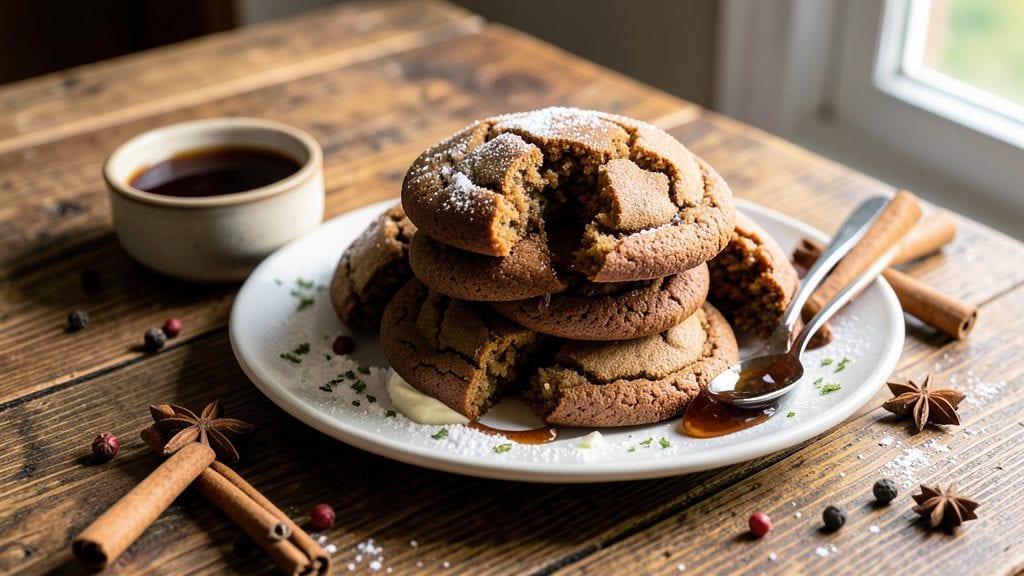
This traditional gingerbread cookie recipe delivers the perfect balance of crispy edges and molten spice centers that make every bite feel like a warm holiday hug. 🌟 The secret lies in precise ingredient ratios and baking at just the right temperature—350°F—to create that signature tender interior while keeping the exterior perfectly set.
After years of testing variations, this method consistently produces cookies with rich gingerbread flavor and a texture that’s both sturdy enough for decorating and delicate enough to melt slightly when cut.
The dough comes together with simple ingredients—flour, brown sugar, molasses, and a blend of warm spices—but the technique is what elevates it to restaurant-quality.
I’ve found that resting the dough for 24 hours enhances the flavor development, while rolling it just slightly thicker than ¼-inch ensures those coveted crispy edges without losing the soft center.
The spices—ginger, cinnamon, cloves, and nutmeg—are toasted briefly to deepen their aroma before being incorporated, adding a complexity you won’t find in store-bought versions.
What makes these cookies truly special is their versatility: they hold their shape beautifully for intricate cutouts or simple rounds, and their flavor improves with age.
The molten spice centers remain gooey when served at room temperature, while the edges develop a satisfying crunch that contrasts perfectly with the soft interior. Whether you’re baking for Christmas mornings, holiday gatherings, or just a cozy weekend treat, this recipe delivers results that taste like nostalgia in every bite.
For those who love to decorate, these cookies hold icing or glaze beautifully, though I often enjoy them plain with a dusting of powdered sugar for a classic touch. The recipe also scales effortlessly—perfect for gifting or feeding a crowd. Let’s get started on creating cookies that taste like tradition.
Ingredients for traditional gingerbread cookie
Simple pantry staples transform into cookies with restaurant-quality texture and nostalgic holiday flavor.
| Ingredient | Amount | Notes |
|---|---|---|
| All-Purpose Flour 🌾 | 3 ½ cups | Sifted for even texture |
| Light Brown Sugar 🍚 | 1 cup | Packed firmly for accuracy |
| Unsalted Butter 🧈 | 1 cup | Cold, cubed for even mixing |
| Molasses 🍯 | ¾ cup | Unsulphured, dark variety |
| Large Eggs 🥚 | 2 whole | Room temperature for blending |
| Ground Ginger 🌿 | 2 tbsp | Freshly toasted for depth |
| Ground Cinnamon 🍃 | 2 tsp | High-quality, pure cinnamon |
| Ground Cloves 🌶️ | 1 tsp | Whole cloves ground fresh |
| Ground Nutmeg 🌶️ | ½ tsp | Freshly grated preferred |
| Salt 🧂 | ½ tsp | Diamond Crystal preferred |
| Baking Soda 🧪 | 1 tsp | Pure, aluminum-free |
| Vanilla Extract 🍯 | 1 tsp | Pure Madagascar bourbon |
| Powdered Sugar 🍚 | ½ cup | For dusting finished cookies |
The molasses is non-negotiable—unsulphured dark molasses delivers that deep, rich flavor. Whole Foods or Trader Joe's carry the best quality, but any reputable grocery store should have it. For the spices, toasting whole spices briefly before grinding intensifies their aroma dramatically. I use a mortar and pestle for cloves and nutmeg, but a clean coffee grinder works too. The flour should be sifted with the dry ingredients to prevent dense cookies. King Arthur or Gold Medal brands are ideal for their consistent protein content.
No molasses? Blackstrap molasses works in a pinch, but it's stronger—reduce to 0.5 cup. Substituting maple syrup (0.5 cup) loses that signature depth. Fresh ginger works at double the amount but loses potency quickly. For the butter, European-style unsalted adds richness, but standard unsalted butter delivers consistent results. The baking soda is critical—aluminum-free ensures proper rise. If you're decorating, use confectioners' sugar for smoother icing application. Store-bought extracts often contain alcohol, which can dry out the dough—pure vanilla extract is worth the investment.
This dough improves with 24-hour refrigeration, allowing flavors to meld beautifully. Wrap tightly in plastic wrap to prevent drying. For long-term storage, freeze dough balls for up to 3 months—bake directly from frozen, adding 2-3 minutes to the time. The cookies hold their shape for 5 days in an airtight container, with flavor intensifying over time. For gifting, individual portions in clear cellophane bags make an elegant presentation.
Why You'll Love This Recipe
- Pantry Staples Only: I swear by this recipe because it uses what I already have—no specialty ingredients hunting. Brown sugar, butter, molasses, flour, and eggs? That’s my spice cabinet and fridge staring back at me.
- Molasses Magic: Between us, that deep, almost caramel-like molasses is the secret weapon. It’s not too sweet—just rich and warm, with a hint of spice that makes every bite feel like a hug. (Yes, even on a Tuesday night.)
- Holiday or Snack Attack: These cookies are nailed for Christmas cookie platters, but honestly? I make them year-round. Freeze half the batch, and they’re ready for when I need a quick, crave-worthy treat.
- Budget-Friendly Batch: A single batch costs me pennies—no fancy ingredients, no waste. And because they keep for weeks in an airtight container, I’m always covered without breaking the bank. (My wallet thanks me.)
Step-by-step instructions for traditional gingerbread cookies
Here's the method that delivers authentic, spice-forward gingerbread with crisp edges and molten centers.
👨🍳 Step 1: Create the Spice Blend and Prepare Wet Ingredients
In a medium bowl, combine the 2 tbsp ground ginger, 2 tsp ground cinnamon, 1 tsp ground cloves, and 0.5 tsp ground nutmeg. Sift the 3.5 cups all-purpose flour and 1 tsp baking soda together into a separate large bowl. This pre-mixing prevents clumping and ensures even distribution of spices throughout the dough.
In the bowl of a stand mixer fitted with the paddle attachment, cream together the 1 cup unsalted butter (cold, cubed) and 1 cup light brown sugar on medium speed for 3-4 minutes until light and fluffy. The mixture should nearly double in volume and become pale in color. This step incorporates air, which creates the signature crackly tops on these cookies.
👨🍳 Step 2: Combine Wet Ingredients and Fold in Dry Components
Add the 0.75 cup molasses, 2 whole large eggs, 1 tsp vanilla extract, and 0.5 tsp salt to the butter-sugar mixture. Mix on low speed for 1-2 minutes until fully incorporated. The molasses will make the dough slightly sticky, but don't worry—this is normal and essential for authentic flavor.
With the mixer running on low speed, gradually add the sifted flour mixture to the wet ingredients. Mix just until combined—you should still see some flour streaks. Avoid overmixing, which develops gluten and makes cookies tough. Scrape down the sides of the bowl as needed to ensure even distribution of the spices.
⏰ Step 3: Chill the Dough for Optimal Texture
Transfer the dough to a large piece of plastic wrap and shape it into a log. Wrap tightly and refrigerate for at least 2 hours or up to 48 hours. Chilling is crucial—it firms up the butter, prevents excessive spreading, and allows the flour to fully hydrate. The longer it chills, the more intense the gingerbread flavor becomes.
Here's the thing—if you're impatient, you can freeze the dough for 30 minutes as a shortcut, but chilling in the fridge yields better results. The dough should be firm but still pliable when ready to roll. If it's too sticky, return it to the refrigerator for 15-20 minutes longer.
🔥 Step 4: Roll and Cut for Perfect Shapes
Preheat your oven to 350°F and line two baking sheets with parchment paper. On a lightly floured surface, roll the chilled dough to ¼-inch thickness. Use a 3-inch round cutter (or a glass of that size) to cut out cookies, gently pressing down as you cut. Re-roll the scraps and cut additional shapes until you've used all the dough.
Place the cutouts 2 inches apart on the prepared baking sheets. The dough will spread slightly during baking, so maintain this spacing to prevent cookies from merging. For extra crisp edges, I like to brush the tops with a little beaten egg white before baking—this creates a beautiful sheen and helps them brown more quickly.
🔥 Step 5: Bake to Crispy Perfection with Molten Centers
Bake the cookies for 10-12 minutes until the edges are deep golden brown and the centers look slightly underdone. They'll continue cooking on the hot baking sheet after removal. The key is to pull them out when they're just set in the middle—they'll firm up as they cool but remain tender inside.
Transfer the cookies to a wire rack to cool completely. While they're still warm, dust generously with 0.5 cup powdered sugar using a fine-mesh sieve. This creates that classic "snowed" look and adds a delicate sweetness that balances the bold spices. For maximum flavor, serve within 24 hours—the cookies will continue to develop their molasses notes as they sit.
Pro Tips For Making Traditional Gingerbread Cookie
- Chill the Dough First: I learned this the hard way—rolling out warm gingerbread dough leads to sad, spread-out cookies. Wrap the dough in plastic and refrigerate for at least 30 minutes (or up to 48 hours). The cooler temperature keeps the molasses from making your cookies flatten into pancakes.
- Use Cold Butter: Skip the melted butter—this isn’t shortbread. Cut the unsalted butter into small cubes and let it sit in the fridge while you mix everything else. When you cream it with the brown sugar, the cold butter creates pockets that keep your cookies tender, not greasy.
- Measure Molasses Precisely: That "1/3 cup molasses" on the recipe card? Use a kitchen scale instead. Molasses varies wildly in thickness—what looks like 1/3 cup might actually be 4.5 ounces or 5.5 ounces. Weigh it for consistency, or your cookies could turn out either too sweet or too bitter.
- Bake in Two Batches: Crowding the tray is how you end up with cookies that steam and turn out dense. Use a cookie scoop to portion dough into 1-inch balls, then space them 2 inches apart on the sheet. If your tray holds 12, bake only 8 at a time—your future self (and your oven) will thank you.
Best sauces and condiments for this recipe
Classic Cream Cheese Glaze
This tangy glaze elevates your gingerbread cookies with a perfect balance of sweetness and creaminess. Mix ½ cup softened cream cheese, 1 cup powdered sugar, 1 tbsp milk, and 1 tsp vanilla extract until smooth.
Spread or drizzle over cooled cookies—it sets beautifully and pairs perfectly with the warm spices. For extra richness, add ½ tsp lemon zest to the mixture. 💛
Spiced Caramel Drizzle
For a sophisticated twist, create a spiced caramel drizzle using ½ cup caramel sauce, 1 tbsp molasses, and a pinch of ground cinnamon. Warm the mixture gently until smooth, then drizzle over cookies while still slightly warm.
The caramel's depth complements the gingerbread's molasses flavor while adding a glossy finish. I like to use Trader Joe's caramel sauce for its consistent quality.
White Chocolate-Dipped Edges
Melt ½ cup white chocolate chips with 1 tsp coconut oil in a double boiler, then dip just the edges of your cookies. Let set on parchment paper for 10 minutes before transferring to a wire rack.
The white chocolate provides a delicate contrast to the spiced cookie, while the crisp edges stay perfectly intact. For extra flair, sprinkle with crushed candy canes or toasted pecans.
Citrus Glaze Variation
Brighten up your cookies with a citrus glaze made from ½ cup powdered sugar, 1 tbsp lemon juice, and 1 tsp orange zest. The acidity cuts through the richness of the molasses, creating a refreshing balance.
This glaze works particularly well with the molten spice centers mentioned in the intro—it's like a little burst of sunshine in every bite. Store any extra glaze in an airtight container for up to 5 days.
Chocolate Ganache Dip
For chocolate lovers, a dark chocolate ganache adds a luxurious touch. Heat ½ cup heavy cream until steaming, then pour over ½ cup chopped dark chocolate. Stir until smooth, then dip the bottoms of your cookies.
The ganache sets at room temperature, creating a decadent contrast to the spiced cookie. I recommend using 70% cacao chocolate for the best balance of richness and bitterness.
Cream Cheese Frosting
For a thicker, more stable topping, whip 4 oz cream cheese, ½ cup softened butter, and 2 cups powdered sugar together until light and fluffy. Add 1 tsp vanilla extract and pipe or spread onto cooled cookies.
This frosting holds up well for decorating and adds a professional finish. For extra flavor, fold in 1 tbsp crystallized ginger for a gingery kick that ties back to the cookie's spice profile. ✨
Nutrition facts
Frequently asked questions about spiced holiday cookies
Why does my gingerbread dough keep sticking to the rolling pin?
The molasses and butter make the dough naturally sticky. Chill it for 30 extra minutes if needed, and lightly flour only the surface—not the dough itself. A well-chilled dough rolls much cleaner, and avoid over-flouring or the cookies will spread too much.
Can I make these cookies without molasses?
Yes, but the flavor will be less authentic. Substitute with 0.5 cup blackstrap molasses (reduce by half due to intensity) or 0.5 cup maple syrup + 1 tsp vinegar for tang. For best results, use unsulphured dark molasses—it's the secret to that classic depth of flavor.
How do I prevent my gingerbread cookies from cracking?
Cracking happens when the dough dries out or bakes too long. Keep your kitchen humid (place a tray of water near the oven), and bake just until edges are golden—10-12 minutes at 350°F. Remove them immediately when set to prevent over-browning. For extra insurance, brush tops with egg white before baking.
What's the best way to store these cookies?
Place in an airtight container with parchment paper between layers to prevent sticking. They stay fresh for 5 days at room temperature, or freeze dough balls for up to 3 months. For gifting, package individually in cellophane bags with a ribbon—perfect for holiday presents!
Can I use this dough for gingerbread houses?
Roll the dough ⅛-inch thick and cut into walls, roofs, and decorations. Bake at 350°F for 8-10 minutes until firm. Let cool completely before assembling—these cookies hold their shape beautifully for structures. For extra strength, brush with a light egg wash before baking.