
Desserts
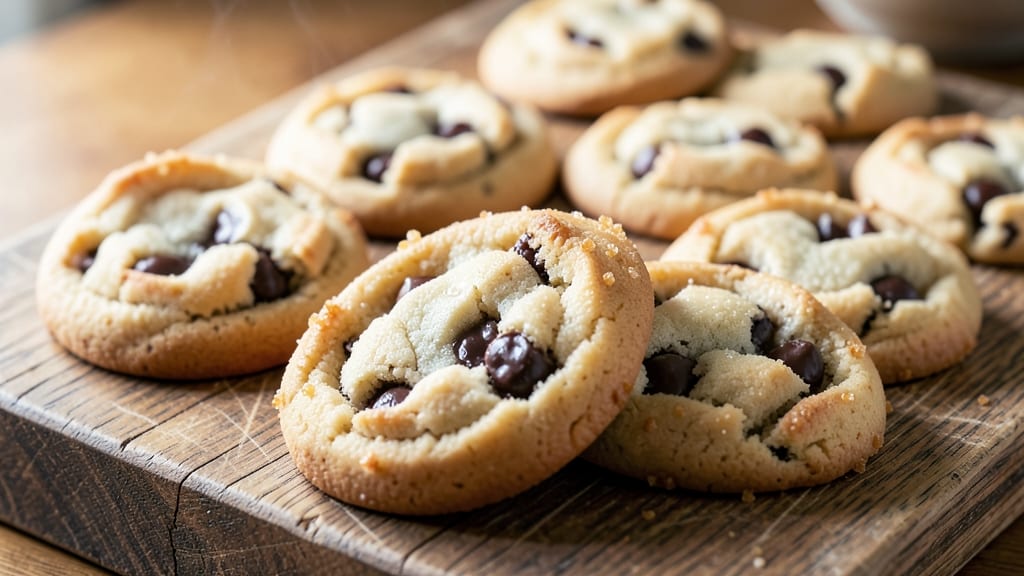
This soft Toll House cookie recipe delivers the melt-in-your-mouth texture and gooey centers that make them legendary—no stiff, cake-like results here. The secret lies in precise ingredient ratios and gentle baking, transforming simple pantry staples into cookies that practically dissolve on your tongue.
I’ve baked these for holiday gatherings and late-night cravings, and they never disappoint.
What sets these apart is the balance of brown and white sugar, which creates that signature caramelized flavor while keeping the centers soft and chewy. A touch of cornstarch ensures the perfect texture, and the classic chocolate chips melt into pockets of molten goodness.
Ready in just 12 minutes, they’re quick enough for a weeknight treat but impressive enough for guests.
The moment you pull them from the oven, you’ll understand why these are a timeless favorite—warm, fragrant, and irresistible. Serve them fresh with a glass of cold milk or a scoop of vanilla ice cream for the ultimate indulgence. The aroma alone will have everyone asking for the recipe.
Store in an airtight container at room temperature for up to a week, though they rarely last that long. For extra decadence, add a sprinkle of flaky sea salt or a drizzle of melted chocolate before baking. These cookies are the definition of comfort in every bite.
Ingredients for soft toll house cookie
Pantry staples and a few key tricks transform simple ingredients into cookies that practically melt on your tongue.
| Ingredient | Amount | Notes |
|---|---|---|
| Unsalted Butter 🧈 | 1 cup | Cold, cubed for even baking |
| Granulated White Sugar 🍚 | ¾ cup | Superfine preferred for smooth texture |
| Packed Brown Sugar 🍚 | ¾ cup | Light brown preferred for subtle molasses |
| Large Eggs 🥚 | 2 whole | Room temperature for even mixing |
| Vanilla Extract 🍯 | 2 tsp | Pure Madagascar bourbon preferred |
| All-Purpose Flour 🌾 | 2 ½ cups | Sifted for light texture (12 oz) |
| Cornstarch 🌾 | ½ tsp | For tender, melt-in-mouth texture |
| Baking Soda 🧂 | ½ tsp | Freshly opened for potency |
| Salt 🧂 | 1 tsp | Diamond Crystal kosher preferred |
| Semi-Sweet Chocolate Chips 🍫 | 2 cups | Nestlé Toll House brand (12 oz bag) |
| Flaky Sea Salt 🧂 | ¼ tsp | For finishing, optional but recommended |
| Milk 🥛 | ¼ cup | Whole milk for richness |
The butter is non-negotiable here—use unsalted and keep it cold when mixing to prevent overmixing. Land O'Lakes or Plugrá are my go-tos, but any good-quality brand works. For the sugars, superfine white sugar dissolves faster (you can pulse regular sugar in a food processor if needed), and light brown sugar gives that signature caramel depth without overpowering. The chocolate chips? Nestlé Toll House are the gold standard—they melt perfectly and have just the right balance of sweetness. If you're feeling fancy, swap half for chocolate chunks or white chocolate chips for contrast.
No vanilla extract? Vanilla bean paste works beautifully—just use half the amount. Short on cornstarch? Arrowroot powder at the same quantity gives the same tenderizing effect. The baking soda and salt are your leavening and flavor anchors—always use fresh baking soda (old stuff loses potency). For the flour, King Arthur or Gold Medal are my top picks—they're consistent and reliable. If you're gluten-free, swap the flour for a 1:1 baking blend, but expect a slightly denser texture. And that milk? Whole milk adds richness—don't skimp on the fat content here.
These cookies keep best in an airtight container at room temperature for 5-7 days, though they rarely last that long. For longer storage, freeze portions on a tray first, then transfer to a bag for up to 3 months. The secret to reheating? 30 seconds in the microwave—just enough to bring back that warm, gooey magic. Pro tip: Sprinkle the flaky sea salt right after baking while the cookies are still warm. It melts into the edges, adding a sophisticated finish that takes these from homemade to restaurant-quality in seconds.
Why You'll Love This Recipe
- No-Mix Magic: I swear by this dough—just cream butter and sugars until light, fold in eggs and vanilla, then dump the chocolate chunks. No food processor, no overworking, just perfect cookies every time.
- Double Sugar Bliss: That creamy butter, white sugar crunch, and brown sugar chewiness? It’s a party in your mouth. The vanilla ties it all together like a warm hug—honestly, I’ve had people ask for the recipe after one bite.
- Holiday or Snack Attack: These work for Christmas cookies or a 3 p.m. sugar craving. Freeze half the dough for later, or bake a tray now and save them for when company drops by. (Yes, even on a Tuesday night.)
- Budget-Friendly Luxury: Butter, sugar, eggs—these are pantry staples that won’t break the bank. One batch makes 24 cookies, and they stay soft for days in an airtight container. My go-to when I want to feel fancy without spending extra.
Step-by-step instructions for soft Toll House cookies
Here's how to create cookies with a tender crumb and gooey chocolate pockets every time.
Cream the Butter and Sugars Together
In a stand mixer fitted with the paddle attachment, combine the 1 cup unsalted butter (cold and cubed) with the 0.75 cup granulated white sugar and 0.75 cup packed brown sugar. Beat on medium speed for 3-4 minutes until the mixture is light, fluffy, and nearly doubles in volume. You'll notice the color lighten as air is incorporated—this is crucial for that signature tender texture.
I like to scrape down the sides of the bowl with a rubber spatula every minute to ensure even mixing. The butter should look pale and creamy, with no visible graininess. If you're using superfine sugar as recommended, the mixture will blend even more smoothly. This step builds the foundation for those melt-in-mouth cookies we're after.
Add Eggs and Vanilla for Richness
Add the 2 whole large eggs (room temperature) one at a time, mixing on low speed for 30 seconds after each addition. This gradual incorporation prevents the eggs from scrambling. Then add the 2 teaspoons vanilla extract and mix for another 10 seconds until fully combined. The mixture should look slightly thicker and more cohesive.
Here's the thing—room temperature eggs blend more smoothly than cold ones. If your eggs are straight from the fridge, let them sit in warm water for 5 minutes first. The vanilla extract should be pure Madagascar bourbon for that authentic Toll House flavor. You'll smell the warm, sweet aroma as it mixes in—this is your first whiff of the finished cookie.
Mix in Dry Ingredients and Chocolate
In a separate bowl, whisk together the 2.5 cups all-purpose flour, 0.5 teaspoon cornstarch, 0.5 teaspoon baking soda, and 1 teaspoon salt. Sift the dry ingredients directly into the wet mixture while the mixer runs on low speed. Mix for 30-45 seconds until just combined—you should still see small flour streaks. Overmixing develops gluten, which leads to tough cookies.
Remove the bowl from the mixer and gently fold in the 2 cups semi-sweet chocolate chips using a silicone spatula. I like to fold them in by hand to ensure even distribution throughout the dough. The dough should be thick but pliable, holding its shape when pressed. If it's too sticky, add 1 tablespoon of the 0.25 cup milk at a time until it comes together. This is where the magic happens—the chocolate will melt into gooey pockets when baked.
Chill the Dough for Perfect Texture
Cover the bowl with plastic wrap and refrigerate for at least 1 hour, or up to 24 hours for even better results. Chilling the dough is non-negotiable—it allows the flour to fully hydrate and the butter to solidify slightly. This prevents excessive spreading in the oven and ensures those tender, melt-in-the-middle cookies.
I know it's tempting to skip this step, but trust me—cold dough makes all the difference. The cookies will hold their shape better in the oven, and the texture will be more uniform. If you're in a hurry, you can freeze the dough balls for 30 minutes instead, but chilling overnight develops even deeper flavor.
Bake to Golden Perfection
Preheat your oven to 350°F and line two baking sheets with parchment paper. Using a 2-tablespoon cookie scoop, portion the dough into balls and place them 3 inches apart on the prepared sheets. Gently flatten each ball with your palm to ½-inch thickness—this ensures even baking and those classic cookie edges.
Bake for 10-12 minutes until the edges are golden brown but the centers still look slightly underdone. The tops should be crackly but not dark brown. Here's the secret: the cookies will continue cooking on the hot pan after you remove them from the oven. Let them cool on the baking sheet for 5 minutes before transferring to a wire rack. Sprinkle with 0.25 teaspoon flaky sea salt while still warm for that perfect finishing touch.
Pro Tips For Making Soft Toll House Cookie
- CREAM THE BUTTER LOW: I learned this the hard way—mixing butter and sugars at room temperature (or worse, warm) makes for greasy cookies. Cold butter creates pockets of fat that melt in the oven, keeping cookies tender. Use a wooden spoon and stir until the mixture looks like wet sand, not soup.
- WEIGH THE SUGARS: Packed brown sugar isn’t just "slightly more sugar"—it’s denser. Scooping it straight from the bag leaves gaps, throwing off the moisture balance. Use a kitchen scale for accuracy, or press it firmly into a measuring cup. Trust me, your cookies will thank you with chew, not crumble.
- UNDERBAKE BY 30 SECONDS: Toll House cookies look done when the edges are just set but the centers still wiggle. Pull them when the edges are golden but the tops still have a faint sheen—overbaking turns them dry. They’ll firm up as they cool, but they won’t recover if they’re rock-hard.
- USE ROOM-TEMP EGGS: Cold eggs from the fridge mix unevenly, creating streaks in the dough and uneven baking. Let them sit in warm water for 5 minutes first—this keeps the yolk from breaking and ensures a smooth, consistent texture. (Yes, even if you’re impatient like me.)
Common mistakes when making this recipe
Overmixing the Dough
I’ve seen this happen more times than I can count—especially with beginners. When you mix the dough beyond 30-45 seconds after adding the dry ingredients, you develop gluten strands that turn your tender cookies into tough, cake-like discs.
The key is to stop mixing as soon as the flour disappears. Use a spatula to gently fold in the chocolate chips by hand instead of relying on the mixer. This keeps the texture light and chewy. 🧑🍳
Skipping the Chill
This is the #1 mistake that ruins perfectly good dough. If you skip chilling the dough for at least 1 hour, the butter will melt too quickly in the oven, causing excessive spreading. The cookies will also lose their signature softness, turning flat and cakey.
I’ve even seen dough balls flatten completely on the baking sheet. Pro tip: If you’re in a rush, freeze the dough balls for 30 minutes—it works in a pinch.
Incorrect Oven Temperature
Baking at 375°F instead of the recommended 350°F will cook the edges too quickly while leaving the centers underdone. The result? Burnt edges and gooey, underbaked centers. Use an oven thermometer to confirm your oven’s accuracy—many home ovens run 25°F hotter than set.
If your cookies brown too fast, reduce the temperature to 325°F and bake for 14-16 minutes instead.
Overloading the Baking Sheet
Crowding the cookies on the baking sheet leads to uneven baking and steam buildup, which can make them soggy. Leave at least 3 inches between each cookie for proper air circulation. I like to use two baking sheets at once to avoid overcrowding.
If you’re short on space, bake in batches—just make sure to rotate the sheets halfway through for even browning. 🍪
Using Old Ingredients
Old baking soda or butter can throw off the chemistry of these cookies. If your baking soda is more than 6 months old, it loses its leavening power, resulting in flat cookies. Butter that’s been sitting at room temperature for too long can also cause spreading.
Always check your pantry staples—fresh ingredients make all the difference. Store baking soda in an airtight container and keep butter in the fridge until ready to use.
Not Rotating the Sheets
Ovens have hot spots, and if you don’t rotate your baking sheets halfway through baking, one side of the pan will get darker than the other. After 6 minutes of baking, swap the front and back sheets (or top and bottom if using racks).
This ensures even browning and consistent texture across every cookie. A simple step that makes a huge difference in the final result. ✨
Nutrition facts
Frequently asked questions
Why do these cookies stay soft while others turn cakey?
The secret lies in the cornstarch and proper baking technique. The cornstarch tenderizes the texture, while baking at 350°F for just 10-12 minutes ensures the centers stay gooey. Chilling the dough for 1 hour also prevents excessive spreading that leads to cakey results.
Can I make these cookies without chocolate chips?
Swap the chocolate chips for 2 cups chopped nuts (walnuts or pecans work best) or white chocolate chips for a sweeter twist. For a fun variation, fold in ½ cup dried cranberries or toffee bits. The dough ratio stays the same—just adjust the mix-ins to 2 cups total.
How do I store these cookies to keep them soft?
Store in an airtight container at room temperature for up to 5-7 days. For longer storage, freeze dough balls (unbaked) for 3 months or baked cookies (separated by parchment) for 2 months. To revive stale cookies, warm for 10-15 seconds in the microwave—they'll taste fresh again!
Why does my dough spread too much in the oven?
This usually happens from overmixing or skipping the 1-hour chill. The butter needs time to firm up, and overmixing develops gluten. Use a 2-tablespoon scoop and flatten dough balls to ½-inch thickness—this controls spreading. If your kitchen is warm, chill dough balls for 30 minutes before baking.
Can I use a different type of sugar?
For best results, stick with superfine white sugar and light brown sugar—they dissolve evenly and create the perfect caramelized flavor. If you only have regular granulated sugar, pulse it in a food processor until fine. For brown sugar, pack it tightly into the measuring cup to avoid air pockets. Avoid powdered sugar here—it changes the texture.