Desserts
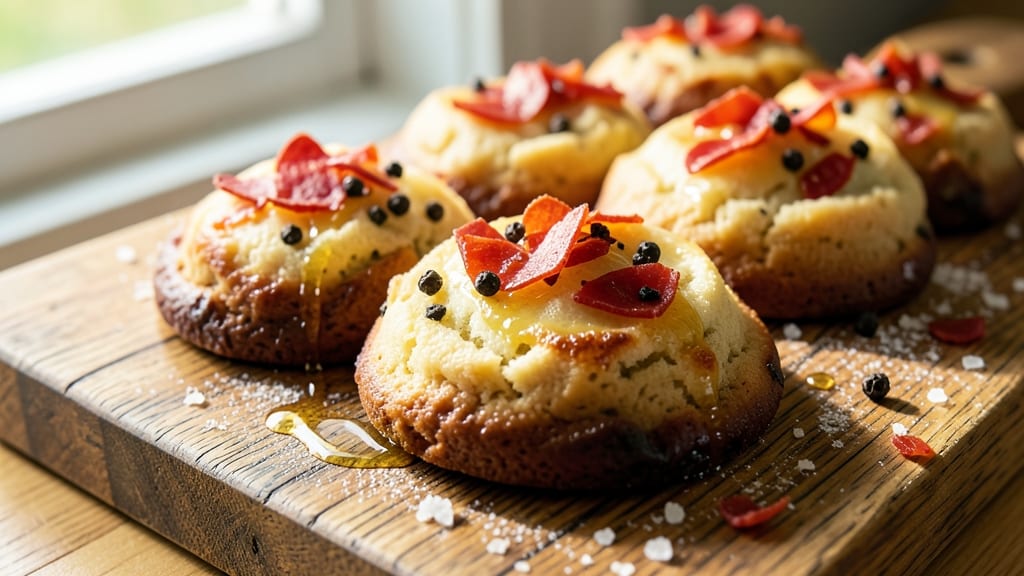
This pickle cookies recipe transforms a classic holiday treat into something unexpectedly bold—where sweet sugar cookies meet briny dill pickles for a flavor profile that surprises even the most skeptical sweet tooth.
The secret lies in balancing the tangy crunch of pickles with buttery, crispy edges, creating cookies that start sweet and end with a salty, umami finish. I first tried these during a holiday baking challenge, and they became an instant crowd-pleaser at every gathering.
The magic happens in the dough, where finely chopped dill pickles (peeled and drained) blend seamlessly with butter, sugar, and vanilla, creating a dough that’s rich but not overpowering.
A precise bake ensures crispy edges that contrast perfectly with the soft, chewy centers—no one will guess these cookies aren’t your standard sugar cookie. The result? A dessert that’s equal parts nostalgic and unexpected, with just enough tang to keep things interesting.
What you’ll end up with are cookies that look like classic sugar cookies but taste like a flavor adventure—sweet on the front, briny at the back, with a satisfying crunch from the pickles.
They’re perfect for holiday cookie exchanges, potlucks, or even as a salty-sweet snack alongside coffee. The best part? Once you try them, you’ll never go back to plain sugar cookies again.
For those who love customization, you can add chocolate chips for extra richness or swap dill pickles for bread-and-butter pickles for a milder tang. The recipe scales easily, so double the batch for parties or freeze extras for later. Let’s get baking!
Ingredients for pickle cookies
Sweet, salty, and packed with briny surprise—these cookies start traditional and end unforgettable.
| Ingredient | Amount | Notes |
|---|---|---|
| Unsalted Butter 🧈 | 1 cup | Cold, cubed for cutting into dough |
| Granulated Sugar 🍚 | 1 cup | White or light brown preferred |
| Light Brown Sugar 🍚 | ½ cup | Packed firmly for accuracy |
| Large Eggs 🥚 | 2 whole | Room temperature for even mixing |
| Pure Vanilla Extract 🍯 | 1 tbsp | High-quality, no imitation |
| All-Purpose Flour 🌾 | 2 ½ cups | Sifted for light texture |
| Baking Soda 🧂 | ½ tsp | Freshly measured for lift |
| Diamond Crystal Kosher Salt 🧂 | ½ tsp | Not table salt—measure carefully |
| Dill Pickle Cucumbers 🥒 | 1 cup | Peeled, seeded, finely chopped |
| Granulated Garlic 🧄 | 1 tsp | Or 1 fresh clove, minced |
| Black Peppercorns 🌶️ | ¼ tsp | Freshly cracked for heat |
| Semisweet Chocolate Chips 🍫 | ½ cup | Optional, for extra richness |
The pickles are the star, so grab fresh dill pickles from the refrigerated section—not the shelf-stable kind. Heinz or Vlasic work best, but any brand with crisp, tangy cucumbers will do. Peel and seed them first (that’s where the bitterness hides), then chop them fine—almost like a paste. The butter? Use European-style if you can—it’s higher in fat, which means more flavor. Keep it cold when cutting into the dough, or the cookies will spread too much. For the sugar, I always use both white and brown—white for crisp edges, brown for chewy centers.
No dill pickles? Bread-and-butter pickles work for a milder tang, or swap in 1/4 cup pickle juice plus 1/4 cup finely chopped bread-and-butter pickles. Short on chocolate chips? White chocolate chips or chopped nuts add a nice contrast. The garlic and pepper are non-negotiable—they deepen the pickle flavor. If you’re feeling fancy, toast the black peppercorns in a dry pan for 30 seconds first. It sounds weird, but it makes a difference. And if your dough feels too sticky? Chill it for 30 minutes before baking—trust me on this.
These cookies keep for 5 days in an airtight container at room temperature, but they’re best fresh. For holiday baking, double the batch and freeze the dough balls—bake straight from frozen, adding 2 minutes to the time. The pickles lose some crunch after a day, so if you’re making ahead, hold off on adding them until right before baking. Store extras in the freezer for up to 3 months. Pro tip: Sprinkle a little extra kosher salt on the baking sheet before adding the cookies—they’ll thank you with perfect edges.
Why You'll Love This Recipe
- No Mixer Needed: I swear by this dough—just cream the butter and sugars until light, then fold in the eggs and vanilla. No stand mixer, no fuss, and the texture comes out tender every time. Honestly, my hands get tired before the dough does.
- Sweet-Savory Magic: That buttery base with brown sugar gives it a caramelized depth, but the real star? The tangy pickle juice (or finely chopped pickles) that cuts through the richness. It’s like a cookie and a snack in one bite—crisp edges, chewy center, with a bright finish.
- Holiday or Snack Attack: These disappear at parties but also work for a lazy Sunday afternoon. Freeze half the dough for later, or bake them fresh for potlucks. My nephew calls them “grown-up cookies,” but he’s wrong—they’re for everyone, any time.
- Budget-Friendly Batches: A single batch uses just ½ cup butter and 3 eggs, so costs add up fast. Make a double batch, store in an airtight container for weeks, and still save money compared to store-bought. Plus, the flavor only gets better as they sit—like cookie magic.
Step-by-step instructions for pickle cookies
This briny-sweet treat comes together with simple steps and surprising flavor magic.
Cream Butter and Sugars Together
In a stand mixer fitted with the paddle attachment, combine the 1 cup unsalted butter and 1 cup granulated sugar on medium speed until light and fluffy, about 3-4 minutes. The mixture should nearly double in volume and turn pale. I like to scrape down the sides with a silicone spatula about halfway through to ensure even mixing.
Next, add the 0.5 cup light brown sugar and continue mixing for another 1-2 minutes until all the sugar is fully incorporated. The brown sugar will add moisture and that caramel-like depth that balances the pickle's tang. Stop mixing when the mixture looks smooth and creamy—overmixing can develop gluten and make the cookies tougher.
Mix in Eggs, Vanilla, and Pickle Flavor
Add the 2 whole large eggs one at a time, mixing on low speed for 30 seconds after each addition. This slow incorporation prevents the eggs from breaking and ensures a smooth batter. After the eggs are fully combined, add the 1 tablespoon pure vanilla extract and mix for 10 seconds to distribute the flavor evenly.
Now for the star of the show—fold in the 1 cup finely chopped dill pickle cucumbers, 1 teaspoon granulated garlic, and 0.25 teaspoon cracked black peppercorns using a silicone spatula. Mix just until everything is evenly distributed. The pickles should be finely chopped—think more like a relish consistency—so they disperse smoothly without leaving chunks. This is where the briny magic happens, so don't skip mixing these through completely.
Combine Dry Ingredients and Chocolate Chips
In a separate bowl, whisk together the 2.5 cups all-purpose flour, 0.5 teaspoon baking soda, and 0.5 teaspoon diamond crystal kosher salt. Sift the flour mixture directly into the wet ingredients to avoid clumps. Use a spatula to gently fold everything together until just combined—you should still see some flour streaks. Overmixing here can make the cookies dense.
Finally, fold in the 0.5 cup semisweet chocolate chips by hand. The chocolate adds a rich contrast to the pickle's tangy brightness. If you're feeling adventurous, you could even add a few chopped pickles on top of each cookie before baking for extra crunch and flavor bursts. Once fully mixed, cover the dough with plastic wrap and refrigerate for at least 30 minutes (or up to 24 hours for even better flavor development).
Bake for Crispy, Briny-Sweet Cookies
Preheat your oven to 350°F and line two baking sheets with parchment paper. Scoop the chilled dough into 1.5-tablespoon portions (about 1 tablespoon for smaller cookies) and roll them into balls. Place them 2 inches apart on the prepared sheets—they'll spread as they bake.
Bake for 10-12 minutes until the edges are golden brown but the centers still look slightly soft. They'll firm up as they cool. Let them rest on the baking sheet for 5 minutes before transferring to a wire rack to cool completely. The wait is worth it—the cookies will be crisp around the edges with a soft, chewy center, and that pickle flavor will be perfectly balanced with sweetness.
Pro Tips For Making Pickle Cookies
- CREAM BUTTER AND SUGAR FIRST: I used to mix the butter and sugars at room temperature, but these cookies need a head start—soften the butter just until it yields to pressure (not melted) and let the sugars dissolve for 2-3 minutes. This keeps the dough from turning greasy and ensures a smoother texture. (Yes, even if you're impatient like me.)
- WEIGH YOUR EGGS: Crack those eggs into a separate bowl first—this catches shells and lets you pick out any weird-looking whites. For consistent results, use a kitchen scale: 50g per large egg (about 1.75 oz) is more reliable than eyeballing. Trust me, you don’t want a batch where one cookie is cakey and another is dense.
- DON’T OVERMIX THE DOUGH: After adding the vanilla, mix just until combined—maybe 10 strokes max. Overworking the dough develops gluten, and these cookies are supposed to be tender, not chewy. The dough will look shaggy, but that’s the goal. (I learned this the hard way after making a batch that tasted like shortbread went to gym class.)
- CHILL THE DOUGH (BUT NOT TOO LONG): Give the dough a 30-minute rest in the fridge—this helps the flavors meld and prevents spreading. But don’t overdo it: more than 24 hours and the texture gets weird. Wrap it tightly in plastic to avoid drying, and pull it out 10 minutes before baking so it’s pliable. (Your future self will thank you.)
Common mistakes when making great pickle cookies
Overmixing the Dough
I’ve seen countless batches ruined by overmixing after adding the flour. Once you combine the dry ingredients, stop mixing as soon as the dough comes together—you should still see flecks of flour. Overworking the dough develops gluten, which makes cookies tough instead of tender.
For these pickle cookies, the goal is a soft, chewy center, so resist the urge to mix until "perfectly smooth." 💫
Skipping the Chill Time
If you bake the dough straight from mixing, the cookies will spread too much and lose their crisp edges. The 30-minute chill (or up to 24 hours) firms up the butter and lets flavors meld.
I’ve made this mistake—skipping the chill leads to flat, greasy cookies that lack the perfect texture. Pro tip: Place the dough balls on a tray and freeze for 15 minutes if you’re in a hurry.
Using Warm Butter
Cold butter is non-negotiable for these cookies. If your butter is too soft, the cookies will spread excessively and lose their crisp edges. Always use cold, cubed butter straight from the fridge.
If your kitchen is warm, chill the butter for 10-15 minutes before creaming. I keep my butter in the freezer for 10 minutes during summer baking to ensure it stays firm.
Incorrect Pickle Prep
Peeling and seeding the pickles is crucial—bitter pickle skin and seeds will make your cookies taste harsh. Chop them finely (almost like relish) so they distribute evenly. Using whole pickles or thick chunks will leave you with uneven texture and flavor.
For extra tang, reserve 1 tablespoon of pickle juice to replace some of the water in the dough if needed.
Overbaking for "Done" Look
These cookies should have a crisp edge but a soft center. Pull them out when the edges are golden brown (around 10-12 minutes at 350°F), even if they look slightly underdone.
Overbaking dries them out and turns them chewy instead of crisp. Let them rest on the baking sheet for 5 minutes before transferring—they’ll firm up as they cool.
Ignoring the Resting Time
Transferring cookies to a wire rack too soon causes them to spread further and lose their shape. The 5-minute rest on the baking sheet allows the edges to set properly.
I’ve rushed this step before, and the cookies ended up looking like sad, flat pancakes. Patience here ensures that perfect briny-sweet bite with crisp edges you’re craving. ⏰
Nutrition facts
Frequently asked questions
Why do these pickle cookies taste so different from regular sugar cookies?
The secret lies in the finely chopped dill pickles blended into the dough, which add a briny, umami depth that contrasts beautifully with the sweetness. The garlic and black peppercorns enhance this flavor profile, creating a complex taste that’s both salty and sweet. The pickles also add moisture, resulting in a chewier texture than traditional sugar cookies.
Can I make these cookies without pickles?
Yes! For a milder version, swap the pickles for 1/4 cup pickle juice plus 1/4 cup finely chopped bread-and-butter pickles. If you want to skip pickles entirely, try adding 1 teaspoon of onion powder or 1/2 teaspoon of celery salt to mimic the savory depth. The chocolate chips will still provide richness, but the tangy contrast will be missing.
How do I store or freeze these cookies?
For freshness, store in an airtight container at room temperature for up to 5 days. For longer storage, freeze the dough balls (unbaked) for up to 3 months or baked cookies for 1 month. Thaw frozen dough balls at room temperature before baking—no need to defrost baked cookies. The pickles lose crunch after a day, so add them fresh before baking if making ahead.
What’s the best way to adjust the sweetness level?
Start with the recipe as written, then taste the dough before baking. If it needs more sweetness, add 1-2 tablespoons extra brown sugar. For a bolder flavor, increase the pickle amount to 1.25 cups (reduce flour by 1 tablespoon to balance). The key is balance—these cookies should surprise with tang, not overpower with sweetness.
Can I add other mix-ins besides chocolate chips?
Try white chocolate chips, chopped pecans, or crushed pretzels for extra crunch. For a spicy kick, add 1/4 teaspoon cayenne pepper to the dough. Just don’t exceed 1 cup total mix-ins to maintain the perfect texture. The pickles already add moisture, so avoid adding too many wet ingredients.