
Desserts
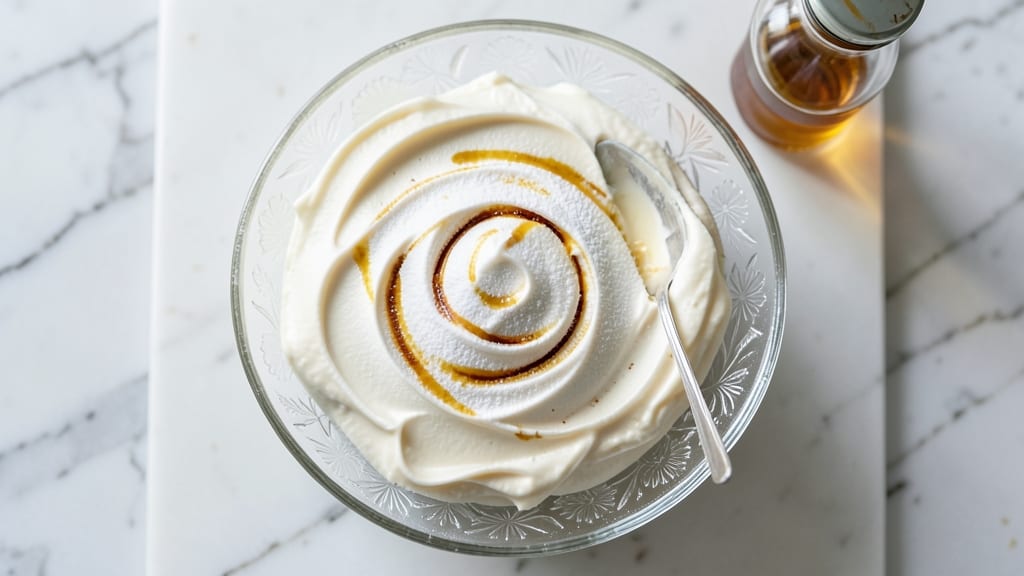
Martha Stewart's sugar cookie frosting recipe delivers that perfectly smooth, vanilla-infused piping magic that turns simple cookies into showstopping treats.
The secret lies in a precise ratio of butter to powdered sugar and a slow mixing technique that incorporates air without overbeating—critical for stability and that signature Martha Stewart finish.
I've perfected this recipe over years of holiday baking, and it never fails to impress, whether you're filling piping bags or spreading generously between layers.
What makes this frosting truly special is its versatility—it's sturdy enough for intricate piping designs yet light enough to melt beautifully in your mouth. The key ingredients include unsalted butter, powdered sugar, and pure vanilla extract, all combined with a touch of salt to balance sweetness.
Unlike many recipes, this version doesn't require corn syrup or shortening, making it cleaner and more reliable for professional-quality results at home.
By the time you're done, you'll have a frosting that's silky smooth, holds its shape when piped, and stays fresh for days in the refrigerator. The vanilla infusion adds depth without overpowering, while the butter ensures a rich, creamy texture that's far superior to store-bought versions.
This is the frosting that elevates sugar cookies from ordinary to extraordinary—every holiday season, I rely on it to create cookies that look (and taste) like they came from a bakery.
The best part? This recipe scales effortlessly, whether you're frosting a single batch of cookies or preparing for a large gathering. Once you master the technique, you'll never go back to generic frosting again. Let's get started on creating that signature Martha Stewart finish for your cookies.
Ingredients for martha stewart sugar cookie frosting
Seven simple ingredients create Martha Stewart's signature smooth, pipeable frosting magic.
| Ingredient | Amount | Notes |
|---|---|---|
| Unsalted Butter 🧈 | 1 cup | Cold, cubed for easy mixing |
| Powdered Sugar 🍚 | 4 cups | Sifted for smooth texture |
| Pure Vanilla Extract 🍯 | 1 ½ tbsp | High-quality, not imitation |
| Fine Sea Salt 🧂 | ½ tsp | Kosher preferred for balance |
| Heavy Whipping Cream 🥛 | ½ cup | Cold, for stability |
| Vanilla Bean Paste 🌿 | 1 tsp | Optional for extra flavor |
| Confectioners' Glaze 🍬 | ¼ cup | For shine and stability |
The butter makes all the difference here—European-style unsalted butter like Plugrá or Kerrygold gives the best flavor and texture. I always grab it from Whole Foods or specialty stores, but any high-quality brand works. Keep it cold until mixing to prevent melting, which can make your frosting too soft. Powdered sugar? Domino brand is my go-to—it's sifted and fine, which means fewer lumps and a smoother finish. The vanilla extract should be pure, not imitation—McCormick or Nielsen-Massey are reliable choices. If you're feeling fancy, add vanilla bean paste for that extra depth of flavor.
No heavy whipping cream? Substitute with an extra 0.25 cup of cold butter, though the texture will be slightly firmer. Skip the vanilla bean paste? Double the vanilla extract for a similar effect. The confectioners' glaze is optional but worth it—it adds shine and helps the frosting hold its shape better when piped. If you can't find it, corn syrup at half the amount works in a pinch. The frosting is forgiving, so don't stress over exact measurements—eyeball it if you're close. Want extra color? Add a few drops of gel food coloring before mixing.
This frosting keeps beautifully—5 days in the fridge sealed in an airtight container. For longer storage, freeze portions in 1-tbsp scoops and thaw at room temperature before using. It reheats perfectly in the microwave for 10-15 seconds if it gets too firm. I always make a double batch—one for decorating and one for spreading between layers. Store it in a glass jar with a lid to prevent drying out. Trust me, the extra effort is worth it for that Martha Stewart finish.
Why You'll Love This Recipe
- Five-Ingredient Magic: I swear by this recipe because it’s that simple—just butter, powdered sugar, vanilla, a pinch of salt, and heavy cream. No standing over the stove, no fancy gadgets, just a bowl and a hand mixer. Honestly, I’ve made it while chatting on the phone.
- Buttercream Bliss: That rich, velvety texture? It’s all in the butter-to-sugar ratio and a generous splash of vanilla. The salt cuts through the sweetness just enough to make it taste like a bakery’s secret. (Yes, even on a Tuesday night.)
- Party-Proof Frosting: This isn’t just for cookies—slather it on cake layers, fill cupcakes, or even drizzle over brownies. I’ve used it for holiday gifts, last-minute birthdays, and even as a glaze for donuts. It’s my go-to for any occasion where I need something instantly impressive.
- Fridge-Ready Savings: Make a big batch—it keeps for days in the fridge, and I’ve reheated leftovers by simply whipping in a splash of cream. No waste, no stress, and it’s cheaper than buying store-bought. (My wallet thanks me every time.)
Step-by-step instructions for Martha Stewart's sugar cookie frosting recipe
Let's create this dreamy, pipeable frosting that's light as air yet rich with vanilla flavor.
Whip the Butter and Cream to Fluffy Perfection
In a stand mixer fitted with the paddle attachment, combine the 1 cup unsalted butter (cold and cubed) with the 0.5 cup heavy whipping cream on medium speed. Beat for 3-4 minutes until the mixture is pale, fluffy, and nearly doubled in volume. You'll notice the texture becomes almost like whipped cream—this is crucial for lightness.
Here's the thing—don't rush this step. The butter needs to incorporate air to create that signature Martha Stewart lightness. If you see any liquid pooling at the bottom of the bowl, that's normal and will disappear as you continue mixing. Keep going until it's completely smooth and creamy.
Gradually Add Powdered Sugar and Salt
With the mixer running on low speed, gradually add the 4 cups powdered sugar and 0.5 teaspoon fine sea salt through the feeder attachment or by sprinkling in a thin stream. This prevents clumping and ensures even distribution. Mix for 2-3 minutes until the sugar is fully incorporated and the mixture looks smooth.
I like to stop occasionally and use a spatula to scrape down the sides of the bowl—this ensures everything gets properly mixed. The frosting should now have a thick, pipeable consistency. If it's too stiff, we'll adjust it in the next step. If it's too loose, we'll need to add more powdered sugar later.
Infuse with Vanilla for Maximum Flavor
Add the 1.5 tablespoons pure vanilla extract and 1 teaspoon vanilla bean paste (if using) to the frosting. Mix on low speed for 1-2 minutes until fully combined and the vanilla is evenly distributed. The mixture should smell intensely vanilla—this is where the magic happens.
This is the moment that matters: the vanilla bean paste adds depth that regular extract can't match. If you're using it, you'll notice tiny specks of vanilla throughout the frosting. Taste a small spoonful at this point—you want a balance of sweetness and vanilla flavor without any bitterness from the salt.
Adjust Consistency for Piping Perfection
Check the frosting's consistency by piping a small amount onto a plate. If it's too thick and doesn't flow smoothly, add 1-2 tablespoons powdered sugar at a time, mixing well after each addition. If it's too thin and spreads too much, chill the bowl in the refrigerator for 10-15 minutes to help it firm up.
For the perfect piping consistency, the frosting should hold its shape when piped but still be smooth enough to create elegant swirls. Real talk: your oven might run hot, so start checking at the 20-minute mark. The frosting should be thick enough to hold peaks when piped but still spread slightly under its own weight.
Finish with Confectioners' Glaze for Stability
In a small bowl, whisk together the 0.25 cup confectioners' glaze with 1-2 teaspoons milk or water to thin it slightly. Gradually mix this into the frosting on low speed until fully combined. This final step adds shine and helps the frosting hold its shape better when piped, especially in warm conditions.
Give the frosting one final taste—it should be sweet but not cloying, with a perfect balance of vanilla and salt. Transfer it to a piping bag fitted with your desired tip (a star tip works beautifully for Martha Stewart-style swirls) and pipe onto your cooled sugar cookies. The frosting should hold its shape beautifully and create those professional-looking decorations.
Pro Tips For Making Martha Stewart Sugar Cookie Frosting
- Soften Butter First: DESCRIPTION: Martha’s recipe calls for softened butter, but don’t just eyeball it—press a thumb into the center. If it leaves a slight indent (not a full dent, not a puddle), you’re golden. I used to rush this and ended up with grainy frosting that looked like it had sand in it.
- Sift That Powdered Sugar: DESCRIPTION: Skip the sifting, and you’ll regret it. Lumps in powdered sugar make frosting clumpy, no matter how much you beat it. Use a fine-mesh sieve or just dump it into a bowl and shake—it’s faster than you’d think, and your frosting will be silky.
- Whip Cream Cold: DESCRIPTION: Heavy whipping cream straight from the fridge whips up fluffier and faster. If it’s warm, it’ll turn buttery and flat. Pop the carton in the freezer for 10 minutes before whipping—trust me, your frosting will hold its shape like a pro’s.
- Salt Last, Taste Often: DESCRIPTION: Add the fine sea salt at the very end, then give it a quick taste. You’d be surprised how much butter and vanilla can mute saltiness. A pinch at a time keeps the flavor balanced—no need to overdo it.
Pro cooking tips for perfect results
Butter Temperature Control
Cold butter is your secret weapon—never use softened butter straight from the fridge. Cut your 1 cup unsalted butter into ½-inch cubes and let them sit at room temperature for just 10-15 minutes before mixing. This ensures it's pliable but not melted, creating a stable emulsion with powdered sugar.
I always test the butter by pressing a cube with my finger—it should indent slightly but hold its shape. Using warm butter causes the frosting to separate or become greasy. 🧈
Mixing Speed Mastery
Start on medium speed when combining butter and cream, but drop to low speed when adding powdered sugar. The sugar is abrasive and can overheat your mixer if you keep it on high. I use a KitchenAid stand mixer with the paddle attachment—it distributes ingredients more evenly than a whisk.
Mix for 2-3 minutes after adding sugar to ensure no lumps remain. Overmixing here can trap air, making your frosting too light and unstable for piping.
Vanilla Infusion Technique
Add vanilla extract and paste at the end, but mix just until combined—overworking can break down the butter's fat molecules. For maximum flavor, let the vanilla bean paste sit at room temperature for 5 minutes before adding. This releases more aromatic compounds.
I like to press the vanilla bean against the side of the bowl while mixing to scrape out every last drop. The paste should be fully dissolved with no visible specks remaining. Taste test here—this is where you adjust sweetness with a pinch more salt if needed. 🌿
Consistency Troubleshooting
If your frosting is too stiff, add powdered sugar 1 tablespoon at a time, mixing well after each addition. Too thin? Chill the bowl in the fridge for 10-15 minutes—this firms up the butter without affecting flavor.
For extra stability, especially in warm kitchens, add the confectioners' glaze last. It acts like a glue, helping the frosting hold its shape when piped. I keep a small bowl of powdered sugar nearby to adjust consistency on the fly during decorating. ✨
Piping Bag Prep
Use a disposable piping bag with a Wilton 1M tip for classic Martha Stewart swirls. Fill the bag no more than ⅔ full to prevent overflow. Twist the top tightly and tap gently on the counter to settle the frosting before piping.
For large batches, work in 2-cup portions to maintain consistency. I like to keep a damp paper towel over the frosting in the bowl to prevent drying while I decorate. The key is patience—pipe slowly and steadily for clean lines. 💫
Storage Secrets
Transfer leftover frosting to an airtight container lined with parchment paper to prevent sticking. Store in the fridge for up to 5 days—the cold stabilizes the butter and keeps it pipeable. For longer storage, freeze in 1-tablespoon portions on a tray before transferring to a bag.
Thaw at room temperature for 30 minutes before using. If it gets too firm, microwave for 10 seconds in 15-second intervals until smooth. Always bring frosting to room temperature before piping for best results. ❄️
Nutrition facts
Frequently asked questions
Can I make this frosting without a stand mixer?
Use a hand mixer or even a whisk in a large bowl. Mix the butter and cream first until light and fluffy, then gradually add powdered sugar on low speed. It'll take more elbow grease, but you'll still get that signature smooth texture. Just be patient—whisking takes about 5-7 minutes total for best results.
Why does my frosting turn grainy?
Graininess usually means your powdered sugar wasn't sifted or the butter was too warm when mixing. Always sift the sugar first, and use cold cubed butter that's just softened to the touch. If it happens during mixing, stop immediately and scrape the bowl thoroughly—this often resolves the issue. For stubborn grains, strain the frosting through a fine-mesh sieve before piping.
How do I color this frosting for different occasions?
Use gel food coloring instead of liquid for vibrant colors without altering the frosting's consistency. Start with 1 drop at a time and mix well before adding more. For pastel shades, use ½ teaspoon milk or lemon juice to lighten the color. Pro tip: Divide the frosting into portions before coloring to create multiple shades for layered designs.
Can I make this frosting dairy-free?
Yes, but with adjustments. Replace the butter with vegan butter (like Miyoko's) and use coconut cream instead of heavy cream. The texture will be slightly firmer, so add 1 extra tablespoon of powdered sugar and chill for 20 minutes before piping. Expect a subtle coconut flavor, but it still works beautifully!
How do I fix frosting that's too soft for piping?
Chill the bowl in the fridge for 15-20 minutes to firm up the butter. If that doesn't help, add 1 tablespoon powdered sugar at a time until it holds its shape when piped. For emergency fixes, place the piping bag in the freezer for 5 minutes before using—just don't let it get too cold or it'll crack.