
Desserts
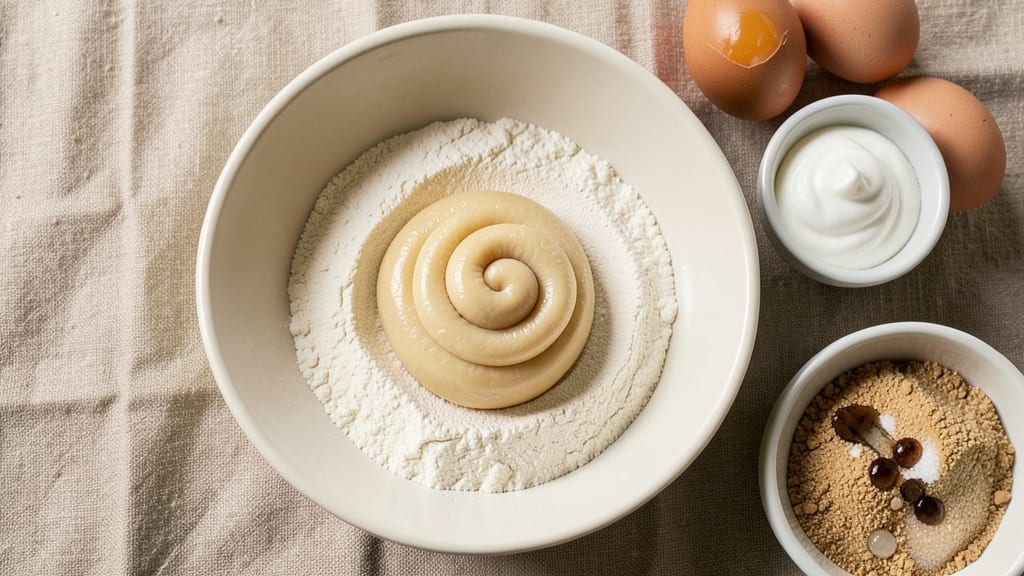
Martha Stewart’s snickerdoodle cookie recipe delivers the perfect balance of soft, chewy centers and that signature cinnamon-sugar swirl that makes them irresistible. 💛 These cookies have become a staple in my baking repertoire, and I’ve perfected them over years of testing—just like Martha would.
The secret lies in the dough’s texture and the precise cinnamon-sugar coating that gives them their iconic flavor.
The recipe is straightforward yet foolproof, requiring just a handful of simple ingredients like all-purpose flour, cream cheese, and brown sugar. What sets these apart is the addition of cream cheese, which creates that tender, melt-in-your-mouth quality, while the cinnamon-sugar mixture adds warmth and a delightful crunch.
Martha’s method ensures every bite is perfectly balanced—sweet, spiced, and just the right amount of chewy.
With a total of 30 minutes of prep and 10-12 minutes in the oven, these cookies are perfect for weeknight baking or holiday gatherings.
The aroma of cinnamon filling the kitchen as they bake is enough to draw everyone in, and the results are always a hit—whether served with coffee, milk, or as a standalone treat. Let’s get started on making these classic cookies the right way.
For those who love a little variation, you can adjust the texture by adding more brown sugar for chewier cookies or a touch of cornstarch for a slightly crispier edge.
The possibilities are endless, but the foundation—Martha’s trusted technique—remains the same. Once you try these, you’ll never go back to store-bought again.
Ingredients for martha stewart snickerdoodle cookie
Simple pantry staples transform into Martha’s iconic snickerdoodles—soft, chewy, and swirled with cinnamon magic.
| Ingredient | Amount | Notes |
|---|---|---|
| All-Purpose Flour 🌾 | 3 ½ cups | Sifted for light texture |
| Cream Cheese 🧈 | 8 oz | Full-fat, room temperature |
| Granulated Sugar 🍚 | 1 ½ cups | White sugar preferred |
| Light Brown Sugar 🍚 | 1 cup | Packed, not leveled |
| Large Eggs 🥚 | 2 whole | Room temperature |
| Vanilla Extract 🍯 | 1 tbsp | Pure extract, not imitation |
| Baking Soda 🧂 | 1 ½ tsp | Freshly opened |
| Ground Cinnamon 🌿 | 2 tbsp | Freshly ground preferred |
| Diamond Crystal Kosher Salt 🧂 | 1 tsp | Fine grain preferred |
| Unsalted Butter 🧈 | 1 cup | Cold, cubed |
| Granulated Sugar 🍚 | 1 cup | For cinnamon-sugar coating |
| Ground Cinnamon 🌿 | 2 tbsp | Extra for coating |
The cream cheese is non-negotiable here—it’s what gives these cookies that signature tender bite. Philadelphia brand is my go-to, but any full-fat works. Room temperature is key; cold lumps ruin the dough. For flour, King Arthur or Gold Medal brands are my top picks—they’re consistent and reliable. The brown sugar? Packed, not leveled, for that perfect moisture-to-structure balance. If you’re in a pinch, light brown sugar works, but the flavor is slightly less rich. Cinnamon matters too—Penzeys or McCormick ground cinnamon has the best aroma, but fresh sticks ground in a spice grinder are even better.
No cream cheese? Substitute with 4 oz softened cream cheese plus 4 oz softened butter—it’s not identical, but close. Running short on vanilla? Almond extract at half the amount adds depth, though it changes the flavor profile slightly. The cinnamon-sugar coating can be adjusted—add a pinch of nutmeg if you’re feeling fancy. For the dough, if it feels too sticky, chill it for 30 minutes before rolling. Too dry? Add 1 tbsp milk. And trust me, don’t skip the butter cubes—they create those melt-in-your-mouth pockets.
These cookies keep beautifully—3-4 days in an airtight container at room temperature, or 1 week in the fridge. For longer storage, freeze the dough balls (before rolling) for up to 3 months. I like to portion the dough into 1.5 oz balls ahead of time—saves time on baking day. Once baked, let them cool on the sheet for 5 minutes before transferring. They’ll stay soft longer that way, and the cinnamon-sugar won’t smudge. Perfect for gifting—just wrap in cellophane with a ribbon!
Why You'll Love This Recipe
- No Mixer Needed: I swear by this dough—it’s so soft from the cream cheese that it barely needs kneading. Just press it together, roll it out, and cut those perfect little spirals without breaking a sweat.
- Cream Cheese Magic: That tangy cream cheese twist makes these ridiculously better than your average snickerdoodle. The brown sugar caramelizes into a chewy center, while the sugar coating gives that nostalgic cinnamon-sugar crunch—every bite feels like a hug.
- Party in a Jar: Between us, these are my go-to for holidays, teacher gifts, or just because. The dough keeps well in the fridge for days, and the cookies freeze like a dream—so you can bake a batch and hand them out all month.
- Budget-Friendly Luxury: All those pantry staples? They add up to cookies that taste like you spent hours baking. Eggs bind it perfectly, the flour’s neutral, and that brown sugar stretch goes a long way—without sacrificing flavor for a penny.
Step-by-step instructions for Martha Stewart's snickerdoodle cookies
Here's how to craft Martha's signature snickerdoodles—soft, chewy centers with that iconic cinnamon-sugar swirl.
👨🍳 Step 1: Cream Butter and Sugars to Cloud-Like Perfection
In a stand mixer fitted with the paddle attachment, beat the 1 cup unsalted butter (cold, cubed) on medium speed for 2-3 minutes until smooth and creamy. This cold start prevents greasy cookies. Gradually add the 1.5 cups granulated sugar and 1 cup light brown sugar, mixing continuously until the mixture is light and fluffy—about 3-4 minutes.
Here's the thing—you're looking for a color change from pale to a buttery yellow, and the mixture should nearly triple in volume. If it looks grainy, keep mixing; the sugar needs to fully dissolve for proper texture. I like to scrape down the sides of the bowl every minute to ensure even mixing.
👨🍳 Step 2: Incorporate Cream Cheese and Eggs
Add the 8 oz cream cheese (room temperature) to the butter-sugar mixture and beat on low speed until fully combined—about 1 minute. The cream cheese adds that signature tender, melt-in-your-mouth quality. Add the 2 whole large eggs, one at a time, mixing just until each is fully incorporated after each addition.
Next, stir in the 1 tbsp vanilla extract and 1.5 tsp baking soda. Mix on low speed for 30 seconds until smooth. This is where the magic begins—the baking soda will react with the acids in the cream cheese and brown sugar, creating lift and that classic snickerdoodle texture. Don't overmix or you'll develop gluten and end up with tough cookies.
👨🍳 Step 3: Combine Dry Ingredients for Light Texture
In a separate bowl, whisk together the 3.5 cups all-purpose flour (sifted), 2 tbsp ground cinnamon, and 1 tsp diamond crystal kosher salt. The sifting is crucial—it prevents dense pockets in your cookies. Gradually add the dry ingredients to the wet mixture, mixing on low speed just until combined.
Here's a pro tip: Stop mixing as soon as the flour disappears. You should still see small streaks of flour—overmixing develops gluten and makes cookies tough. The dough will be soft and slightly sticky, which is perfect for snickerdoodles. If it's too sticky to handle, chill it for 15 minutes while you prepare the cinnamon-sugar coating.
🥘 Step 4: Prepare the Cinnamon-Sugar Coating
In a small bowl, combine the 1 cup granulated sugar and 2 tbsp ground cinnamon for the coating. This is the signature snickerdoodle flavor—don't skip the cinnamon! The ratio is precise: equal parts sugar and cinnamon create that perfect balance of sweet and spicy.
Divide the dough into 24 equal portions (about 1.5 tablespoons each) and roll each into a ball. Here's where it gets fun—roll each ball in the cinnamon-sugar mixture until fully coated. Place the coated dough balls on a parchment-lined baking sheet, spacing them 2 inches apart. They'll spread slightly during baking.
🔥 Step 5: Bake to Golden, Cinnamon-Kissed Perfection
Preheat your oven to 375°F and bake the snickerdoodles for 10-12 minutes until the edges are golden brown and the centers still look slightly soft. They'll continue setting as they cool. The key is timing—you want them to pull away from the edges of the pan but still be slightly underdone in the center for that signature chewy texture.
Remove from the oven and let them cool on the baking sheet for 5 minutes before transferring to a wire rack. Here's the moment you've been waiting for—those cinnamon-sugar swirls should be visible, and the aroma will fill your kitchen. Serve warm for the ultimate experience, or let them cool completely for a firmer texture. Either way, they're irresistible!
Pro Tips For Making Martha Stewart Snickerdoodle Cookie
- Chill the Dough: I learned this the hard way—rolling out snickerdoodles straight from the fridge gives you the perfect balance of soft centers and crisp edges. Wrap the dough in plastic and refrigerate for at least 2 hours (or overnight if you can resist). The cream cheese needs time to firm up, or you’ll end up with sad, flat cookies that spread like pancakes.
- Cut Cream Cheese Cold: Sounds weird, but it works: grab that block of cream cheese straight from the fridge and slice it into cubes before measuring. Room-temperature cream cheese gets greasy and melts into a mess when you try to mix it with the flour. Cold cubes blend smoothly—no lumps, no stress.
- Skip the Overmixing: The moment your dough starts to look like playdough, stop. Overmixing develops the gluten, and these cookies are supposed to be tender, not chewy. Mix just until the flour is mostly incorporated—lumps are fine, and your future self will thank you for not turning them into cookie dough bricks.
- Roll Uniform Balls: Use a kitchen scale for 1.5-ounce portions—yes, even if you’re impatient like me. Uneven dough balls mean uneven baking, and you’ll end up with some cookies that taste underdone while others turn into hockey pucks. A quick dip in the cinnamon-sugar mix (use a mesh strainer for even coating) keeps them from sticking.
Pro cooking tips for this dish
Dough Consistency Matters
The dough for Martha’s snickerdoodles should be soft but manageable—think of it like a thick cookie dough that holds its shape when rolled. If it feels too sticky, chill it for 15-20 minutes before rolling.
I use a Kitchenaid stand mixer with the dough hook attachment to mix the dough for 1-2 minutes on low speed—just until combined. Overmixing develops gluten, leading to tough cookies, so stop as soon as the flour disappears. 🧑🍳
Cream Cheese Temperature
Room-temperature cream cheese is non-negotiable—cold lumps create uneven texture. Let it sit at room temperature for 30-45 minutes before using. I like to cut the block into smaller pieces to speed up the process.
If your kitchen runs warm, place it in a bowl of hot water for 5 minutes to soften quickly. The goal is a smooth, creamy texture that blends seamlessly into the dough. 🧈
Cinnamon-Sugar Ratio
The coating is where the magic happens, and the ratio is critical: 1 cup sugar to 2 tbsp cinnamon delivers that perfect balance of sweet and spice. Use a fine-mesh sieve to dust the coating evenly—this prevents clumping and ensures every cookie gets that signature swirl.
I like to mix the coating in a shallow bowl so I can easily roll the dough balls without spilling. For extra flavor, add a pinch of ground nutmeg to the coating. 🌿
Baking Sheet Prep
Line your baking sheet with parchment paper or a silicone baking mat to prevent sticking. I use a half-sheet pan for even baking, but a full sheet works too. Space the dough balls 2 inches apart—they’ll spread slightly during baking.
If your oven runs hot, reduce the temperature to 350°F to avoid over-browning. For extra crisp edges, place the sheet on the top rack for the last 2 minutes of baking. 🔥
Underbaking for Chewiness
Snickerdoodles should look slightly underdone in the center when they come out of the oven—they’ll firm up as they cool. Aim for 10-12 minutes at 375°F, but pull them out when the edges are golden and the tops still look soft.
Let them cool on the sheet for 5 minutes before transferring—they’ll hold their shape better and retain that melt-in-your-mouth texture. 💫
Storage Secrets
Store baked snickerdoodles in an airtight container at room temperature for up to 4 days to maintain softness. For longer storage, freeze the dough balls (before rolling) on a tray for 1 hour, then transfer to a freezer bag for up to 3 months.
To reheat, bake at 300°F for 3-5 minutes until warm and fragrant. The cinnamon-sugar stays crisp, while the centers remain tender. ❄️
Nutrition facts
Frequently asked questions
Why does Martha Stewart's recipe use cream cheese in snickerdoodles?
The cream cheese creates that signature tender, melt-in-your-mouth texture these cookies are famous for. It adds moisture and richness that regular butter can't match, while also contributing to the perfect chewy-yet-soft crumb. Without it, you'll get a denser, less tender cookie.
Can I make these cookies without a stand mixer?
Use a sturdy wooden spoon or your hands to cream the butter and sugars until light and fluffy (about 5-7 minutes of vigorous mixing). For the dough, mix with a spatula or fold by hand until just combined. The key is patience—keep mixing until the butter is fully incorporated and the mixture is smooth.
How do I fix cookies that spread too much during baking?
Chill the dough balls for 30 minutes before baking to firm them up. Also, make sure your oven is properly calibrated (use an oven thermometer) and preheated for 15 minutes before baking. If they still spread too much, try baking at 350°F instead of 375°F for slightly thicker cookies.
What's the best way to store these cookies to keep them soft?
Store in an airtight container at room temperature for up to 4 days. For longer storage, freeze the dough balls (before rolling) on a tray for 1 hour, then transfer to a freezer bag for up to 3 months. To maintain softness, never store them in the fridge—it makes them dry out faster.
Can I add mix-ins like chocolate chips or nuts?
While traditional snickerdoodles are best enjoyed plain, you can absolutely add ½ cup chocolate chips or ½ cup chopped pecans to the dough. Fold them in gently after mixing the dry ingredients to avoid overmixing. Just be aware these variations will change the classic texture slightly.