
Desserts
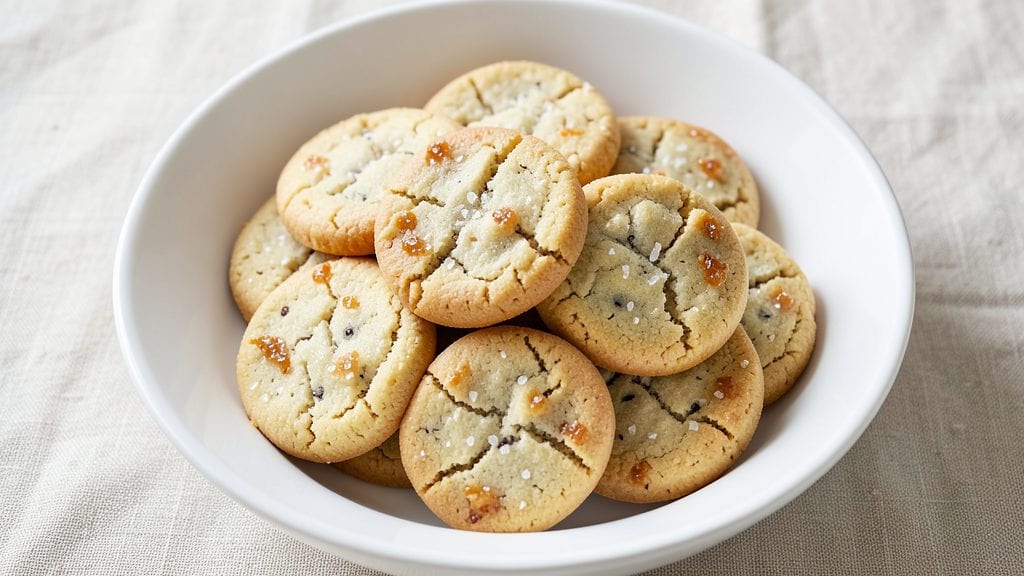
Martha Stewart's shortbread cookie recipe delivers the perfect balance of buttery crispness and tender crumb—without the stress of overworking dough or precise measurements. The secret lies in cold butter and vanilla infusion, creating that signature melt-in-your-mouth texture that's foolproof once you master the technique.
I've baked these dozens of times, and they always turn out perfectly golden with just the right snap.
What sets these apart is Martha's signature method of using cold, cubed butter that stays firm during mixing, ensuring those signature shortbread layers. The dough comes together in just 10 minutes with simple ingredients—flour, sugar, and vanilla—but the magic happens during the chilling and baking process.
This isn't your grandmother's shortbread; it's a professional-quality treat with restaurant-worthy texture.
By the time they emerge from the oven, you'll have cookies with crisp edges and a tender, crumbly center that practically dissolves on your tongue. The vanilla infusion adds subtle warmth that elevates these beyond basic shortbread.
These cookies stay fresh for days in an airtight container, making them perfect for gifting or satisfying that afternoon sweet tooth.
Whether you're baking for a holiday gathering or treating yourself to a simple indulgence, this recipe delivers consistent results every time. The technique is straightforward, and the ingredients are simple—no fancy equipment required. Let's get baking these perfect shortbread cookies that taste like they came straight from Martha's kitchen.
Ingredients for martha stewart shortbread cookie
Eight simple ingredients transform into Martha’s legendary shortbread cookies—crisp edges, tender crumb, and vanilla warmth.
| Ingredient | Amount | Notes |
|---|---|---|
| Unsalted Butter 🧈 | 1 cup | Cold, cubed for texture |
| All-Purpose Flour 🌾 | 2 cups | Sifted for lightness |
| Granulated Sugar 🍚 | ½ cup | Superfine if available |
| Pure Vanilla Extract 🌿 | 1 ½ tbsp | High-quality for infusion |
| Fine Sea Salt 🧂 | ½ tsp | Diamond Crystal preferred |
| Vanilla Bean Seeds 🍋 | 1 whole | Scraped from pod for depth |
| Large Egg Yolks 🥚 | 1 whole | Room temperature preferred |
| Cornstarch 🌾 | 1 tbsp | For tender crumb texture |
The butter is non-negotiable—cold cubes create those signature layers. Grab Plugrá or Land O’Lakes unsalted from the dairy case (avoid salted). If your butter feels soft, pop it in the freezer for 10 minutes. The vanilla extract? Go for high-quality like Nielsen-Massey—it makes all the difference. For that extra depth, scrape seeds from a Madagascar vanilla bean (split one pod for multiple batches). Flour matters too—King Arthur or Gold Medal sift beautifully for a light texture. Pre-sifted flour works, but sifting fresh eliminates lumps and ensures even baking.
No vanilla bean? Double the extract—just know it won’t have the same complexity. Short on cornstarch? Substitute 1 tbsp rice flour, but expect slightly less tenderness. Egg yolks can be tricky—room temperature blends smoothly, but cold yolks work if you’re patient. For a nutty twist, swap 2 tbsp flour for almond flour. Want extra crispness? Add 1 tbsp powdered sugar to the mix. The sugar? Superfine dissolves faster, but regular granulated works if you pulse it in a food processor. Salt is key—Diamond Crystal has larger flakes that melt beautifully into the dough.
Shortbread keeps for 5 days in an airtight container at room temperature, but freeze for up to 3 months for longer storage. For gifting, package in parchment-lined boxes with a sprig of rosemary. Reheat baked cookies at 300°F for 2-3 minutes to restore crispness. Double the recipe? Use two 9-inch pans for even baking. The dough can chill for up to 48 hours, making it perfect for stress-free baking. Store butter in the fridge post-chill to maintain firmness for future batches.
Why You'll Love This Recipe
- No-Fuss Magic: I swear by this recipe because it’s basically foolproof—just cream butter and sugar, toss in flour, and bake. No eggs, no fuss, no stress. My kids think I’m a baking genius, and honestly? So do I.
- Buttery Bliss: That perfect balance of sweet, salty, and vanilla? It’s like a hug in cookie form. The cold butter cuts through the sugar just right, and a pinch of sea salt makes every bite taste like a fancy patisserie—without the pretension.
- Every Occasion Cookie: Pack them for lunch, serve them at tea time, or stash them in your desk drawer for "emergency" moments. They stay fresh for days (if they last that long) and freeze like a dream. I’ve sent these to friends with new babies, coworkers with deadlines, and my mom on her birthday.
- Pantry Staple Power: You already own everything—no weird ingredients or last-minute grocery runs. A stick of butter, a cup of sugar, a dash of salt. That’s it. I’ve made these with store-brand flour and still ended up with cookies that taste like they cost $5 each. Budget-friendly perfection.
Step-by-step instructions for Martha Stewart's shortbread cookies
Here's how to create Martha Stewart's legendary shortbread—crisp edges, tender crumb, and that signature vanilla aroma.
Cube and Chill the Unsalted Butter
Cut the 1 cup unsalted butter into ½-inch cubes and place them in a freezer-safe container. Freeze for 15 minutes until firm but not rock-hard. This cold butter creates the signature flaky layers in shortbread. If you're impatient, you can also refrigerate it for 30 minutes—just make sure it holds its shape when pressed.
While the butter chills, scrape the seeds from the 1 whole vanilla bean using the tip of a knife. I like to make a small slit along the bean and gently scrape out all the tiny black seeds—this adds a depth of flavor that pure extract can't match. Set the seeds aside for later.
Mix Dry Ingredients for Light, Airy Texture
In a medium bowl, whisk together the 2 cups all-purpose flour, 1 tbsp cornstarch, 0.5 cup granulated sugar, 0.5 tsp fine sea salt, and the scraped vanilla bean seeds. The cornstarch is key here—it prevents the cookies from becoming too dense. Sift the flour mixture into a separate bowl to remove any lumps, which ensures a tender crumb.
This is where precision matters. Don't overmix the dry ingredients—just combine them until evenly distributed. You want to preserve as much air as possible for that signature shortbread lightness. If you're using superfine sugar, you'll notice the texture is even finer, which gives a smoother cookie.
Cut in Cold Butter Until Pea-Sized Crumbs Form
Add the chilled 1 cup unsalted butter cubes to the sifted dry ingredients. Using a pastry cutter or your fingers, work the butter into the flour mixture until pea-sized crumbs form. This step is critical—you want the butter to remain cold and create those beautiful flaky layers when baked. If the mixture starts to look like wet sand, it's time to stop.
I like to use my fingers for this part because I can feel when the butter is properly incorporated. The texture should resemble coarse sand with some larger butter pieces still visible. If the dough feels too sticky, it means the butter wasn't cold enough—return it to the freezer for another 10 minutes before continuing.
Incorporate Wet Ingredients for Cohesive Dough
Add the 1.5 tbsp pure vanilla extract and 1 whole large egg yolk to the butter-flour mixture. Using a wooden spoon or silicone spatula, gently fold everything together until a cohesive dough forms. The dough should hold together when pressed but still feel slightly crumbly—this is perfect for shortbread.
If the dough is too dry, add 1 teaspoon cold water at a time until it comes together. If it's too wet, add 1 tablespoon more flour. The goal is a dough that's just firm enough to roll out smoothly but still holds its shape when cut. Wrap the dough in plastic wrap and refrigerate for at least 1 hour—this resting time is essential for flavor development and easier handling.
Roll, Cut, and Bake to Golden Perfection
Preheat your oven to 325°F and line two baking sheets with parchment paper. On a lightly floured surface, roll out the chilled dough to ¼-inch thickness. Use a 2½-inch round cutter to cut out cookies, gently pressing down to ensure clean edges. Place the cutouts on the prepared baking sheets, leaving 1 inch of space between each cookie.
Bake for 18-22 minutes until the edges are golden brown and the centers look slightly underbaked. The cookies will continue to firm up as they cool. I like to rotate the baking sheets halfway through baking to ensure even color. Let the cookies cool on the baking sheet for 5 minutes before transferring to a wire rack to cool completely.
Pro Tips For Making Martha Stewart Shortbread Cookie
- Chill the Dough Hard: I learned this the hard way—skipping the 24-hour fridge rest means cookies that spread like pancakes. Wrap the dough in plastic and stick it in the coldest part of your fridge (usually the back of the bottom shelf) for at least a full day. Yes, even if you’re impatient like me, the texture makes all the difference.
- Cut Butter Precisely: Martha’s recipe calls for cold butter, but not rock-hard—think "soft enough to press, not melt." Use a serrated knife to cut the butter into tablespoon portions while it’s still in the fridge, then let it sit at room temp for 10 minutes before mixing. This keeps the dough from turning greasy or losing its crumbly magic.
- Weigh the Flour: Scooping flour from the bag is a recipe for disaster—your cookies will be dense or crumbly. Use a kitchen scale for the 1 ½ cups (180g) of flour called for. Spoon it in gently, then level it off with a knife. Trust me, the difference in texture is night and day.
- Salt the Edges: Sprinkle a pinch of fine sea salt over the tops of the cookies right after baking—while they’re still warm. The salt melts slightly, creating those little edible crystals that make shortbread taste like a fancy patisserie. (And resist the urge to skip this; it’s the thing that matters most.)
Regional styles of these flavors
Scottish Shortbread
Martha’s classic recipe draws inspiration from traditional Scottish shortbread, where the butter-to-flour ratio is key. For an authentic twist, increase the butter to 1¼ cups and reduce flour to 1¾ cups. This creates a richer, crumbly texture with more pronounced layers.
I like to add ¼ tsp almond extract alongside the vanilla for a subtle nutty depth. Bake at 300°F for 20-25 minutes until the edges are deep golden—this lower temp ensures a tender center. 🏴
Southern Buttermilk Shortbread
In the American South, buttermilk adds a tangy contrast to the buttery sweetness. Replace the egg yolk with 2 tbsp buttermilk and add ½ tsp baking powder to the dry ingredients. The baking powder creates a slightly lighter cookie.
I recommend using Brown Butter (brown ½ cup butter until nutty) for half the total butter to add a caramelized depth. These cookies have a delicate crunch and pair beautifully with sweet tea. 🌶️
French Sablé Cookies
For a French-inspired version, swap the vanilla for 1 tsp orange zest and add 1 tbsp powdered sugar to the dry ingredients. French sablé dough is slightly softer, so roll it to ⅓-inch thickness and bake at 350°F for 14-16 minutes.
The powdered sugar creates a tender, almost cake-like texture, while the orange zest adds a bright citrus note. These cookies are perfect for tea time and hold their shape beautifully. 🍊
Japanese Matcha Shortbread
Infuse the dough with 1 tbsp matcha powder (sifted to avoid clumps) and reduce the vanilla to 1 tsp. The matcha adds a vibrant green hue and earthy flavor that pairs surprisingly well with the buttery richness.
For a marbled effect, divide the dough, tint half with matcha, and swirl the two together before rolling. Bake at 325°F for 18-20 minutes
Italian shortbread often incorporates almond flour for a nutty crunch. Replace ½ cup flour with ½ cup almond flour and add 1 tbsp finely chopped toasted almonds to the dough. For extra flair, fold in 1 tsp lemon zest alongside the vanilla. The almond flour gives these cookies a slightly denser texture with a delightful crunch. Bake at 325°F for 20-22 minutes—the almonds add moisture, so watch closely for golden edges. 🌿 For a gluten-free version, replace the all-purpose flour with a 1:1 gluten-free flour blend (like Bob’s Red Mill) and add ½ tsp xanthan gum to the dry ingredients. Use ½ cup almond flour instead of cornstarch for better texture. Chill the dough for 2 hours to compensate for the lack of gluten structure. Bake at 325°F for 22-25 minutes—gluten-free dough can dry out faster, so keep an eye on them. These cookies are just as crisp and buttery as the original! 💫Italian Almond Shortbread
Modern Gluten-Free Adaptation
Nutrition facts
Frequently asked questions
Why does Martha's recipe use cold butter?
The cold butter creates those signature flaky layers in shortbread by staying firm during mixing. When baked, it melts slowly, creating crisp edges and a tender crumb. If your butter feels too soft, chill it for 10 extra minutes before using. This is what gives these cookies their professional-quality texture.
Can I make these cookies without a vanilla bean?
Double the vanilla extract to 3 tbsp, but you'll miss the depth of flavor from fresh vanilla seeds. For best results, use high-quality pure extract like Nielsen-Massey. The bean adds complexity that pure extract can't replicate, but it's not essential for delicious cookies.
How do I prevent my shortbread from spreading too much?
Keep your dough cold by chilling it for at least 1 hour before rolling. Use a 2½-inch cutter and press firmly when cutting. Bake at 325°F (not higher) and rotate pans halfway through for even baking. The cornstarch in the recipe also helps maintain shape.
What's the best way to store these cookies?
Keep them fresh in an airtight container at room temperature for 5 days. For longer storage, freeze for up to 3 months. To restore crispness, warm at 300°F for 2-3 minutes. The key is preventing moisture—store with a slice of bread to absorb any dampness.
Can I make these gluten-free?
Yes! Replace the all-purpose flour with a 1:1 gluten-free blend (like Bob's Red Mill) and add ½ tsp xanthan gum. Use ½ cup almond flour instead of cornstarch. Chill the dough for 2 hours extra to compensate for the lack of gluten structure. Bake at 325°F for 22-25 minutes—gluten-free dough bakes faster.