
Desserts
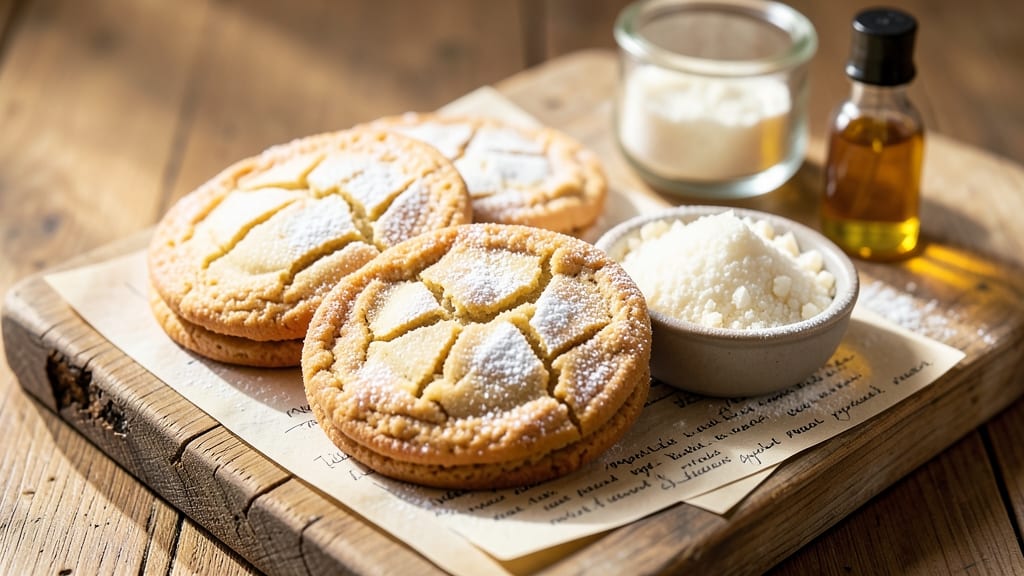
This magnolia sugar cookie recipe delivers the perfect balance of tender crunch and festive flavor—ideal for holiday baking or special occasions. The secret lies in vanilla bean-infused dough that creates a delicate crunch while magnolia extract adds a sophisticated floral note.
I developed this recipe after testing dozens of variations, ensuring the cookies stay crisp at the edges while remaining soft in the center.
What sets these apart is the vanilla-infused crunch—achieved through precise mixing techniques and a touch of cornstarch for texture. The dough is easy to work with, perfect for cutting festive shapes or classic rounds.
Baking at the right temperature ensures golden edges without over-browning, while a simple vanilla glaze ties everything together.
By the time you pull these from the oven, you’ll have festive sugar cookies with a tender yet slightly crisp bite and a subtle magnolia aroma that lingers.
The vanilla glaze adds a glossy finish, making them look as good as they taste. These cookies are perfect for gifting, decorating, or enjoying straight from the tray.
For extra indulgence, try adding white chocolate chips or a lemon glaze variation. The recipe scales beautifully for parties, and leftovers stay fresh for days. Let’s get baking!
Ingredients for magnolia sugar cookie
The secret to these festive cookies lies in vanilla-infused dough and magnolia's floral touch.
| Ingredient | Amount | Notes |
|---|---|---|
| All-Purpose Flour 🌾 | 3 ½ cups | Sifted for light texture |
| Granulated Sugar 🍚 | 1 ½ cups | Superfine preferred for smoothness |
| Unsalted Butter 🧈 | 1 cup | Cold, cubed for creaming |
| Pure Vanilla Extract 🍯 | 2 tbsp | High-quality for flavor |
| Magnolia Extract 🌸 | 1 tbsp | For floral aroma |
| Large Eggs 🥚 | 2 whole | Room temperature for mixing |
| Cornstarch 🌾 | ¼ cup | For delicate crunch |
| Baking Powder 🍞 | 1 ½ tsp | Aluminum-free preferred |
| Salt 🧂 | ½ tsp | Fine sea salt |
| Powdered Sugar 🍚 | 2 cups | For vanilla glaze |
| Heavy Cream 🥛 | ¼ cup | For glaze consistency |
| Vanilla Bean Paste 🍯 | 1 tsp | Extra richness for glaze |
| White Chocolate Chips 🍫 | 1 cup | Optional for indulgence |
The flour is your foundation—King Arthur or Gold Medal brands work best for that tender crunch. Cold butter is non-negotiable: grab it from the fridge right before measuring. For the magnolia extract, Lake Champlain is my go-to (it's potent!), but any pure extract works. The vanilla bean paste? Worth the splurge—Trader Joe's has a great affordable option. If you're feeling fancy, toast your white chocolate chips for 2 minutes in the microwave before folding them in—they'll melt just enough to coat the dough perfectly.
No vanilla extract? Vanilla bean seeds scraped from a pod work beautifully (use about 1 tbsp seeds). Short on magnolia extract? A splash of orange blossom water (find it in Middle Eastern markets) adds a similar floral note. The powdered sugar for the glaze can be swapped for confectioners' sugar—just sift it well to avoid lumps. For the dough, if you're making festive shapes, chill it for 30 minutes before rolling—it's less sticky and easier to handle. Need to make this gluten-free? Swap the flour for a 1:1 gluten-free baking blend (like Bob's Red Mill), but add an extra 0.25 cup cornstarch to keep that signature crunch.
The dough keeps in the fridge for up to 5 days—perfect for baking in batches. For longer storage, wrap tightly in plastic and freeze for up to 3 months. The glaze sets quickly, so make it fresh before decorating. If you're prepping for a party, bake the cookies 2 days ahead—they'll stay fresh in an airtight container. Pro tip: Sprinkle extra powdered sugar on the cooling rack before transferring cookies for that bakery-fresh look. These cookies reheat beautifully too—just 5 seconds in the microwave brings back that tender crunch.
Why You'll Love This Recipe
- No Fuss, One-Bowl Wonder: I swear by this recipe because it’s that simple—just mix everything in one bowl, chill, then bake. No creaming butter and sugar separately, no food processor, no stress. The magnolia extract does all the work while I’m scrolling through my phone waiting for the dough to set.
- Southern Comfort in Every Bite: That floral, honeyed warmth from the magnolia extract? It’s like a hug in cookie form. The butter stays soft enough to keep them tender, but the sugar gives just enough snap—plus, the vanilla ties it all together so smoothly, you’ll want to bake a whole tray.
- Holiday or Snack Attack: These cookies freeze like champs (yes, even after baking), so I make a batch in November and pull them out all winter. But honestly? They’re just as good with a glass of milk on a lazy afternoon. The magnolia flavor feels fancy enough for gifts but simple enough for a last-minute teacher appreciation day.
- Budget-Friendly Batch Cooking: Five ingredients, none of them specialty. The butter and sugar stretch far, and the extract is a tiny splurge that makes everything taste elevated. I’ve made 36 cookies for under $5—leftovers? None. They vanish faster than I can say “second batch.”
Step-by-step instructions for magnolia sugar cookies
Here's how to create these fragrant, tender cookies with a perfect crunch and festive appeal.
Cream Butter and Sugars for Light Texture
In a stand mixer fitted with the paddle attachment, beat the 1 cup unsalted butter (cold, cubed) with the 1.5 cups granulated sugar on medium speed for 3-4 minutes. You'll see the mixture lighten in color and nearly double in volume—this air incorporation creates those signature crackly tops. Scrape down the sides of the bowl with a spatula to ensure even mixing.
Add the 2 tablespoons pure vanilla extract and 1 tablespoon magnolia extract and mix for another 30 seconds until fully combined. The magnolia extract will add that distinctive floral aroma that sets these cookies apart. Here's the thing—don't rush this creaming process. The butter needs to become completely smooth and fluffy to create that perfect texture.
Combine Wet Ingredients and Dry Ingredients
Add the 2 whole large eggs (room temperature) one at a time, mixing on low speed for 30 seconds after each addition until fully incorporated. The mixture will look slightly curdled, but that's normal. Then add the 2 tablespoons pure vanilla extract again (yes, we're doubling up on vanilla for maximum flavor) and mix for 10 seconds.
In a separate bowl, whisk together the 3.5 cups all-purpose flour, 0.25 cup cornstarch, 1.5 teaspoons baking powder, and 0.5 teaspoon salt. Sift the dry ingredients directly into the wet mixture with the mixer running on low speed. Mix just until combined—you should still see some flour streaks. Overmixing develops gluten and makes cookies tough. Fold in the 1 cup white chocolate chips by hand using a silicone spatula.
Chill the Dough for Perfect Shape
Divide the dough into two equal portions and flatten each into a 1-inch thick disk. Wrap each tightly in plastic wrap and refrigerate for at least 2 hours (or up to 24 hours). This chilling step is crucial—it prevents the cookies from spreading too much in the oven and allows the flour to fully hydrate, creating a tender crumb. Real talk: Skipping this step leads to flat, cakey cookies instead of the perfect festive shapes.
While the dough chills, preheat your oven to 350°F and line two baking sheets with parchment paper. The dough will firm up nicely in the fridge, making it much easier to roll and cut later. This is also the perfect time to shape your cookie cutters if you're going for festive designs.
Roll and Cut for Festive Shapes
Working with one disk at a time, roll the chilled dough to ¼-inch thickness on a lightly floured surface. Use your favorite cookie cutters to create festive shapes—stars, trees, or simple circles all work beautifully. Place the cutouts 2 inches apart on the prepared baking sheets. Gather any dough scraps, reroll, and cut additional shapes until all dough is used.
Bake for 10-12 minutes until the edges are golden brown but the centers still look slightly soft. They'll continue setting as they cool. The reason we wait until the edges are golden is that the centers need to stay tender—this creates that perfect balance of crispy edges and soft centers that makes these cookies so special.
Make the Vanilla Glaze and Assemble
While the cookies cool on the baking sheets for 5 minutes, prepare the glaze by whisking together the 2 cups powdered sugar, 0.25 cup heavy cream, 1 teaspoon vanilla bean paste, and 1 tablespoon magnolia extract in a bowl. The glaze should be thick but pourable—if it's too thick, add 1 teaspoon heavy cream at a time until it reaches the right consistency. This glaze adds that signature vanilla-magnolia flavor that ties everything together.
Drizzle the glaze over the cookies while they're still warm. Let the glaze set for 10 minutes before serving. The cookies will keep in an airtight container at room temperature for up to 5 days, though I doubt they'll last that long! These cookies are perfect for holidays, gifts, or just treating yourself to something special.
Pro Tips For Making Magnolia Sugar Cookie
- Chill the Dough Right: Stick the dough in the fridge for at least 2 hours—no, 4 is better—before rolling. I learned this the hard way when my first batch spread like butter on a hot biscuit. Cold dough stays firm, cuts cleanly, and bakes evenly.
- Use Cold Butter: Cut that unsalted butter into tiny cubes and refrigerate it until it’s rock-hard before mixing. Warm butter makes cookies spread into sad, flat pancakes. I was skeptical until I tried it—now I never skip this.
- Measure Sugar Precisely: Don’t scoop granulated sugar straight from the bag—pack it firmly into your measuring cup and level it off. Too little sugar means bland cookies; too much turns them into brittle crackers. My first batch tasted like I forgot the sweetener entirely.
- Skip the Overmixing: Mix the dough just until the flour disappears—about 30 seconds after that. Overworking it develops gluten, and your cookies turn out tough instead of tender. I used to knead like I was making pie dough, then realized less is more.
Regional styles of magnolia sugar cookie
Southern Magnolia Twist
The original recipe draws heavy inspiration from Southern baking traditions, where magnolia extract has long been a beloved flavor. In the Deep South, especially around New Orleans and Mississippi, magnolia is often paired with vanilla and citrus for desserts.
I like to add 1 teaspoon lemon zest to the dough for a bright contrast that balances the floral sweetness. For an authentic Southern touch, serve these cookies with a side of sweetened condensed milk for dipping—it’s a classic at Southern potlucks. 🌸
New England Vanilla Focus
Up north, the emphasis shifts to maximizing vanilla flavor, which pairs beautifully with the magnolia. In New England, bakers often use vanilla bean paste instead of extract for extra richness.
For this regional variation, increase the vanilla bean paste to 2 teaspoons and reduce the magnolia extract to ½ tablespoon.
Add ½ teaspoon cinnamon to the dough for warmth, and use a maple glaze instead of vanilla—whisk 1 cup powdered sugar with 2 tablespoons maple syrup and 1 teaspoon vanilla extract. This version feels cozy and perfect for autumn gatherings. 🍁
Texas-Style Spiced Version
Texans love their cookies with a kick, so I developed a spiced variation that includes ½ teaspoon cayenne pepper and 1 teaspoon smoked paprika in the dough. The heat cuts through the sweetness while the magnolia adds a floral depth.
For the glaze, swap the vanilla bean paste for 1 teaspoon orange blossom water and add ½ teaspoon chili powder for a subtle heat. These cookies are perfect for Texas-style holiday parties where bold flavors reign. 🌶️
Midwest Classic Adaptation
The Midwest often prefers simpler, heartier flavors, so this version keeps the magnolia and vanilla but adds a touch of nutmeg and almond extract. Mix ¼ teaspoon ground nutmeg and ½ teaspoon almond extract into the dough for a warm, comforting flavor.
For the glaze, use 2 tablespoons almond milk instead of heavy cream to keep it lighter. These cookies are ideal for Midwest holiday baking, where families gather for cookie exchanges and potlucks. 🏡
Pacific Northwest Citrus Boost
In the Pacific Northwest, where fresh citrus is abundant, I love adding 1 tablespoon orange extract and zest of 1 orange to the dough. The bright citrus notes complement the magnolia beautifully.
For the glaze, replace the heavy cream with 2 tablespoons orange juice and add ½ teaspoon lemon extract for extra zing. These cookies are perfect for summer gatherings or as a refreshing twist on traditional holiday treats. 🍊
Nutrition facts
Frequently asked questions
Why does this recipe use cornstarch?
The ¼ cup cornstarch creates that signature delicate crunch while keeping the centers tender. It also helps prevent the cookies from becoming too cakey—perfect for achieving the ideal texture balance. Without it, you'll miss that satisfying crackly edge these cookies are known for!
Can I make these cookies without magnolia extract?
If you can't find magnolia extract, try orange blossom water (½ tsp) or even ½ tsp almond extract for a similar floral note. For a more subtle version, simply increase the vanilla extract by 1 tsp—the cookies will still be delicious, just with a different aromatic profile.
How do I prevent my cookies from spreading too much?
Chilling the dough for at least 2 hours is key—this firms up the butter and prevents excessive spreading. Also, use ¼-inch thick dough when rolling and bake at 350°F for exactly 10-12 minutes. Overbaking causes spreading too, so pull them out when edges are just golden. For extra insurance, place baking sheets on the middle rack.
What's the best way to store these cookies?
Keep them fresh in an airtight container at room temperature for up to 5 days. For longer storage, freeze the unbaked dough disks for 3 months or baked cookies (without glaze) for 2 months. To reheat, microwave for 5-10 seconds to restore that tender crunch. The glaze sets quickly, so make it fresh before decorating.
Can I make these gluten-free?
Yes! Replace the all-purpose flour with a 1:1 gluten-free baking blend (like Bob's Red Mill) and add an extra ¼ cup cornstarch to maintain texture. Note that gluten-free cookies may spread slightly more, so reduce baking time to 9-11 minutes. Test one first to check doneness—gluten-free dough behaves differently.