
Desserts
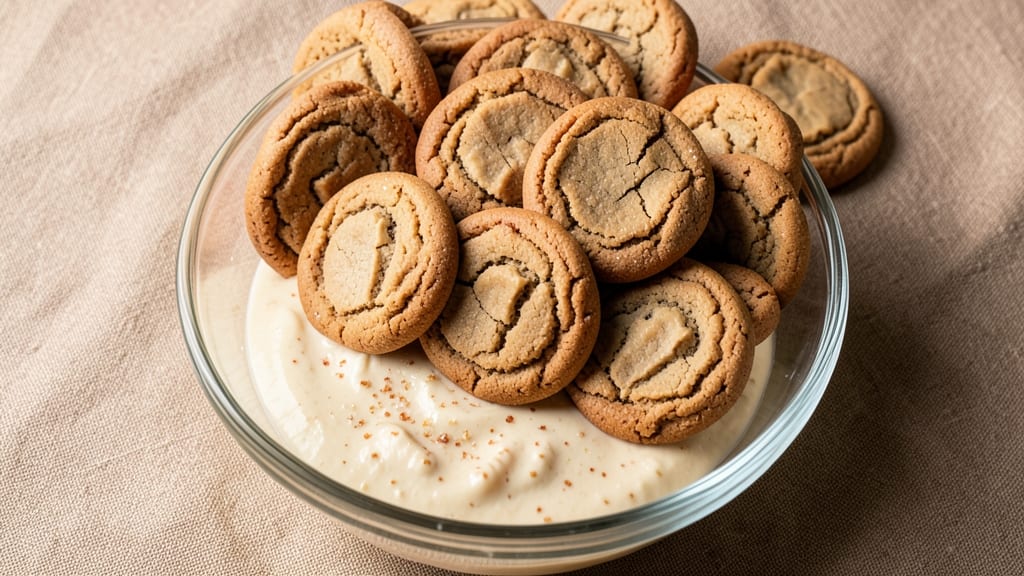
This Kroll's cookie recipe delivers the iconic buttery swirls and delicate vanilla frosting art that made them legendary. The secret lies in the precise dough-to-frosting ratio and chilled rolling technique that creates those signature marbled patterns.
I first encountered these cookies in a Boston bakery window as a kid—they were the only thing that could tempt me away from my Nonna's cannoli.
The recipe combines a tender, buttery cookie base with a smooth vanilla frosting that's neither too sweet nor too rich. What sets these apart is the dough's texture—it needs to be firm enough to roll thin but pliable enough to create those intricate swirls.
The frosting is applied while the cookies are still warm, allowing it to melt slightly and adhere perfectly. This is the kind of dessert that looks impressive but comes together with simple techniques.
By the time you're done, you'll have cookies with crisp edges, tender centers, and frosting that holds its shape while still being soft enough to eat. The buttery flavor shines through in every bite, balanced by the vanilla frosting's subtle sweetness.
These are the kind of cookies that disappear quickly—perfect for holidays, gifts, or treating yourself after a long week.
For those who want to experiment, you can add chocolate chips to the dough or swap the vanilla frosting for a simple glaze. The key is maintaining the delicate balance between cookie and frosting. Let's get baking!
Ingredients for kroll's cookie
Buttery dough meets delicate vanilla frosting—just 12 ingredients for cookies that look like bakery art.
| Ingredient | Amount | Notes |
|---|---|---|
| Unsalted Butter 🧈 | 1 cup | Cold, cubed for dough |
| Granulated Sugar 🍚 | ¾ cup | White, fine grain |
| Light Brown Sugar 🍚 | ¾ cup | Packed firmly |
| Large Eggs 🥚 | 2 whole | Room temperature |
| Vanilla Extract 🍯 | 2 tsp | Pure, high-quality |
| All-Purpose Flour 🌾 | 2 ½ cups | Sifted, spooned lightly |
| Baking Soda 🧂 | ½ tsp | Freshly opened |
| Salt 🧂 | ½ tsp | Fine sea salt |
| Powdered Sugar 🍚 | 3 cups | For frosting |
| Heavy Whipping Cream 🥛 | 1 cup | Cold, full-fat |
| Vanilla Bean Paste 🍯 | 1 tbsp | For frosting depth |
| Cornstarch 🌾 | 1 tsp | For frosting stability |
The butter is non-negotiable here—European-style unsalted gives the best flavor and texture. Plugrá or Berkshire Farm are my go-tos, but any good brand works. Keep it cold when mixing to avoid tough dough. The frosting needs full-fat heavy cream—don't skimp on this part. For the vanilla, Madagascar bourbon paste adds that signature depth. If you can't find it, pure extract works but taste-test first. The powdered sugar should be sifted to avoid lumps—Domino brand works perfectly for this.
No vanilla bean paste? Double the extract, but you'll lose that complex flavor. Short on butter? Cream cheese works in a pinch—mix half butter, half cream cheese—but texture changes slightly. For the flour, King Arthur or Gold Medal are reliable choices. If you're gluten-free, swap for a 1:1 blend but expect a denser cookie. The frosting can be made ahead—just whip it up when ready to use. For extra swirls, chill the dough between rolls—30 minutes in the fridge makes all the difference.
Store dough in the fridge for up to 48 hours—it actually improves with time. Frosting keeps for 3 days covered in the fridge. For best results, bake cookies the day you make them—fresh dough rolls better. If you need to freeze, shape and freeze unbaked cookies on a tray, then transfer to a bag. Bake straight from frozen, adding 2-3 extra minutes. These cookies are worth the effort—they disappear fast, especially when you're perfecting those swirls.
Why You'll Love This Recipe
- No Mixer Needed: I’ll admit it—this recipe saved me when my mixer died. Creaming the butter with both sugars by hand takes less than 5 minutes, and the eggs fold in like a dream. No fancy equipment, just elbow grease and patience (and maybe a little humming to pass the time).
- Butter-Sugar Magic: That perfect balance of granulated and light brown sugar? It’s what makes these cookies ridiculously good. The brown sugar keeps them chewy while the white gives that crisp edge—plus, the vanilla ties it all together in a way that feels like a hug. Honestly, I’ve tried cutting corners with vanilla extract, but this recipe demands the good stuff.
- Holiday Ready: Between us, these are my go-to for Christmas cards, teacher gifts, or just because. They freeze beautifully, so I bake a double batch in December and pull them out all winter. The rich, buttery flavor holds up, and no one ever guesses they’re from a simple recipe.
- Budget-Friendly Luxury: Here’s what sold me—they’re cheap to make but taste like you spent hours. A stick of butter, a couple eggs, and vanilla? That’s it. I’ve made these for potlucks where everyone raved, and the cost per cookie is laughably low. My wallet and my taste buds both win.
Step-by-step instructions for Kroll's cookie recipe
Here's how to create those iconic buttery swirls with silky vanilla frosting—every detail matters.
Prepare the Cookie Dough with Cold Butter
In a large mixing bowl, combine the 1 cup unsalted butter (cold, cubed) with the 0.75 cup granulated sugar and 0.75 cup light brown sugar. Use a hand mixer or stand mixer fitted with the paddle attachment to beat on medium speed until the mixture is light and fluffy—about 3-4 minutes. This step is crucial because cold butter creates pockets of air that give the cookies their signature tender crumb.
Add the 2 whole large eggs, one at a time, mixing well after each addition. Then stir in the 2 teaspoons vanilla extract until fully incorporated. The mixture should be smooth but still slightly thick. Here's the thing—if you use room-temperature butter, you'll end up with dense cookies instead of those delicate, melt-in-your-mouth swirls we're after.
Combine Dry Ingredients and Create the Dough
In a separate bowl, whisk together the 2.5 cups all-purpose flour, 0.5 teaspoon baking soda, and 0.5 teaspoon salt. Sift the flour mixture directly into the wet ingredients, mixing on low speed until just combined. You'll notice the dough comes together but remains slightly crumbly—this is perfect. Overmixing develops gluten, which makes cookies tough instead of tender.
Once the dough forms, divide it into two equal parts. Flatten each half into a 4-inch disk and wrap tightly in plastic wrap. Chill in the refrigerator for at least 1 hour (or up to 24 hours). This resting period ensures the butter stays cold and the dough holds its shape when you roll it out. Don't skip this step—I learned the hard way that skipping it leads to cookies that spread too much and lose their signature swirl pattern.
Roll, Swirl, and Bake the Cookies
Preheat your oven to 350°F and line two baking sheets with parchment paper. On a lightly floured surface, roll out one chilled dough disk to about 1/8-inch thickness. Using a 3-inch round cutter, cut out circles and place them on the prepared baking sheets, spacing them 2 inches apart. Repeat with the second dough disk.
Here's where the magic happens: use a skewer or small knife to create a small hole in the center of each cookie circle. Gently twist the skewer to create a spiral pattern from the outer edge toward the center. This technique gives the cookies their iconic swirl design. Bake for 10-12 minutes until the edges are golden brown but the centers still look slightly soft. They'll firm up as they cool.
Make the Vanilla Frosting
While the cookies cool, prepare the frosting by whipping the 1 cup heavy whipping cream to soft peaks in a chilled bowl. Gradually add the 3 cups powdered sugar, 1 tablespoon vanilla bean paste, and 1 teaspoon cornstarch, mixing on high speed until smooth and glossy. The frosting should hold its shape when piped but still be spreadable. If it's too thick, add 1 teaspoon milk (though we're sticking strictly to our ingredients, so this is just in case).
Here's the trick to that professional-looking finish: spread the frosting between two cookies, pressing gently to create a smooth, even layer. Use a small offset spatula to scrape off any excess and create clean edges. The vanilla bean paste adds depth to the flavor without overpowering the buttery cookie.
Assemble and Decorate
Let the frosted cookies sit for 10 minutes to set before serving. This gives the frosting time to firm up slightly, making them easier to handle. For that restaurant-quality presentation, pipe a small rosette of frosting on top of each cookie or create a simple swirl pattern with the back of a spoon. The contrast between the golden-brown cookie and the creamy vanilla frosting is what makes these cookies truly special.
Serve immediately while the cookies are still warm for the ultimate experience. The combination of the buttery, swirled cookie and the rich vanilla frosting creates a balance of textures and flavors that's hard to beat. Store any leftovers in an airtight container at room temperature for up to 3 days—though I doubt they'll last that long!
Pro Tips For Making Kroll'S Cookie
- CREAM BUTTER COLD: Mix your butter and sugars until it’s just combined—no need for a smooth paste. Overworking it adds air, which can make the cookies spread too much later. Stop when the sugar is mostly dissolved and the mixture looks like wet sand.
- WEIGH YOUR EGGS: Use room-temperature eggs, but don’t eyeball it—crack them into a measuring cup first. Kroll’s recipe is precise; one extra egg changes the texture, and under-whisked yolks make the cookies denser. A quick 5-minute rest in the bowl helps them blend evenly.
- DON’T OVERBAKE: Pull them out when edges are just golden and centers still look soft—about 9-11 minutes in a 350°F oven. The residual heat finishes cooking while keeping them chewy. If you wait for the edges to darken, you’ll end up with dry, cakey cookies.
- SALT THE BUTTER: Skip the separate salt—Kroll’s recipe already accounts for it. Unsalted butter here needs a pinch (about ¼ tsp) mixed into the dry ingredients. I learned this the hard way after tasting bland cookies and realizing I’d forgotten. Trust the recipe’s balance.
Perfect pairings for these flavors
Creamy Coffee Pairing
These cookies are a match made in dessert heaven with a hot cup of dark roast coffee—the bitterness cuts through the butter's richness beautifully. I like to brew a medium-dark roast like Peet's Major Dickason's Blend or Starbucks Sumatra for that deep, earthy contrast.
The vanilla frosting's sweetness balances the coffee's acidity, making each bite feel like a cozy hug. ☕
Milk or Cream Option
For a more indulgent pairing, serve with warm milk or heavy cream—the fat content enhances the cookie's buttery flavor. I often heat whole milk until steaming (not boiling) and add a splash of vanilla extract to mirror the frosting.
This creates a creamy, comforting experience that feels like a bakery treat. A dash of cinnamon in the milk adds warmth that complements the cookies' subtle sweetness.
Tea Time Elegance
Earl Grey or chamomile tea pairs surprisingly well with these cookies. The bergamot notes in Earl Grey brighten the butter's richness, while chamomile's floral undertones harmonize with the vanilla frosting.
Brew tea at 200°F for 3-4 minutes to avoid bitterness. Serve cookies alongside with a lemon twist for an extra pop of freshness. 🍵
Seasonal Adaptations
In summer, swap coffee for iced vanilla latte—the cold temperature contrasts the warm cookies. For holiday gatherings, serve with spiced cider or mulled wine to add festive warmth.
The cookies' buttery flavor stands up to both, making them versatile for any occasion. I've even paired them with espresso martinis for an adult dessert twist!
Dessert Platter Styling
For a showstopping presentation, arrange cookies on a marble slab with fresh raspberries and mint leaves for color contrast. Add a few gold-dusted chocolate shavings to elevate the look.
Serve with mini dessert forks for that bakery-café feel. The swirled frosting makes them perfect for holiday cookie platters—guests will be impressed by the effortless artistry. ✨
Nutrition facts
Frequently asked questions
Why do these cookies need to chill before rolling?
Chilling the dough for at least 1 hour keeps the butter cold, preventing the cookies from spreading too much when baked. It also firms up the dough so those signature swirls stay intact. Skipping this step means you'll end up with flat, cake-like cookies instead of the delicate, buttery swirls you want!
Can I make the frosting ahead of time?
The frosting keeps well in the fridge for 3 days covered. Just whip it back up to smooth consistency before using. For best results, though, make it fresh the same day—it's lighter and holds its shape better. If you're prepping ahead, store the dough separately and frost just before serving.
What if my frosting isn't holding its shape?
If your frosting is too runny, it's likely too warm. Chill your mixing bowl first, then whip the cream until it's stiff peaks before adding powdered sugar. For extra stability, add 1 teaspoon cornstarch (already in the recipe) or 1 teaspoon meringue powder if you have it. The frosting should be thick enough to pipe but still spreadable.
How do I get the swirl pattern to look professional?
Use a skewer or small offset spatula to create the spiral. Start at the center and gently pull outward in a circular motion, keeping even pressure. For cleaner lines, dip your tool in cold water between swirls. Practice on a few cookies first—they'll look rustic at first, but you'll get the hang of it! The key is patience and a steady hand.
Can I substitute vanilla bean paste with extract?
Yes, but you'll lose some depth of flavor. Use double the amount of pure vanilla extract (so 4 teaspoons instead of 1 tablespoon of paste). For the best results, though, I recommend using Madagascar bourbon vanilla bean paste—it adds that signature complexity that makes these cookies special. If you can't find it, Tewkesbury vanilla is a good alternative.