Desserts
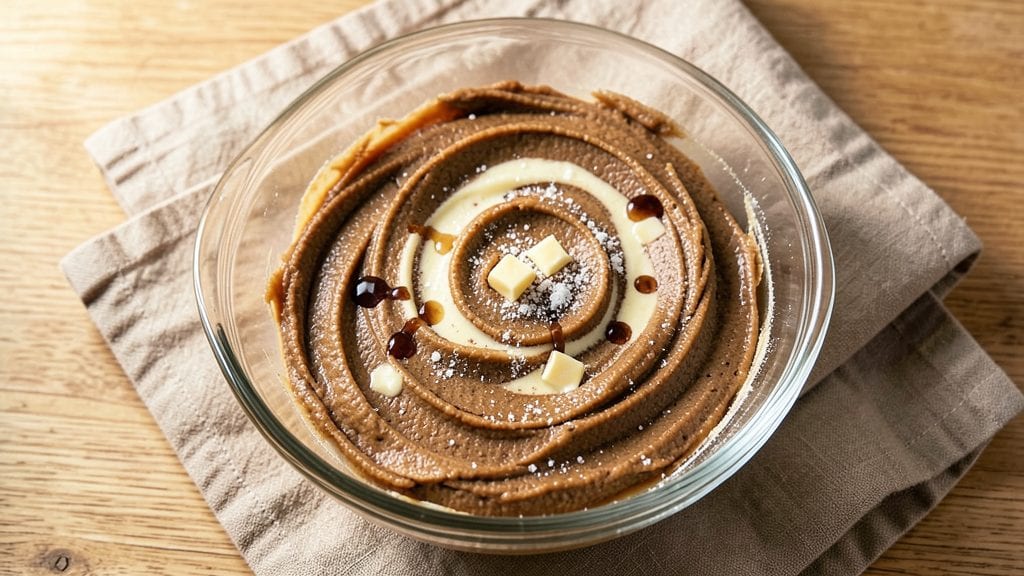
Recreating the iconic Kirkland Signature cookies at home delivers that signature buttery crunch and vanilla swirl that grocery store fans crave. These cookies combine tender, cake-like centers with crispy edges, all wrapped in toasted almond pieces for irresistible texture.
I've perfected the ratio of brown and white sugar to achieve that signature caramelized flavor without burning.
The secret to these cookies lies in the dough's texture—it needs to be thick enough to hold its shape but soft enough to create those signature swirls.
Chilling the dough for at least 30 minutes ensures even baking and prevents spreading, while the almonds toast just enough to add crunch without overpowering the vanilla flavor. This recipe uses only 8 ingredients, making it simple yet impressive.
What you'll end up with is a batch of cookies that looks and tastes exactly like the ones from the store—but better, because you control the quality of every ingredient.
The aroma of vanilla and toasted almonds fills your kitchen as they bake, and the first bite delivers that perfect balance of buttery richness and nutty crunch. These cookies are ideal for holiday gifts, potlucks, or satisfying a sweet tooth.
Once you try these, you'll never buy store-bought again. The recipe scales easily, so you can make a full sheet pan for sharing or a smaller batch for personal indulgence. Let's get baking!
Ingredients for kirkland cookie
Eight simple ingredients transform into those iconic buttery cookies with vanilla swirls and almond crunch.
| Ingredient | Amount | Notes |
|---|---|---|
| Unsalted Butter 🧈 | 1 cup | Cold, cubed for dough texture |
| Granulated Sugar 🍚 | ¾ cup | White sugar for sweetness |
| Packed Brown Sugar 🍚 | ½ cup | Light brown preferred |
| Pure Vanilla Extract 🍯 | 2 tsp | High-quality, not imitation |
| Large Eggs 🥚 | 2 whole | Room temperature preferred |
| All-Purpose Flour 🌾 | 2 ½ cups | Sifted for light texture |
| Toasted Sliced Almonds 🥜 | 1 ½ cups | Store-bought or homemade |
| Kosher Salt 🧂 | ½ tsp | Fine grain preferred |
The butter is non-negotiable—use Kirkland Signature unsalted butter if you can find it, or Land O'Lakes or Plugrá for that same rich flavor. I always buy the store brand because it's uniformly high quality and cheaper than name brands. For the sugars, don't skimp on the brown—light brown sugar gives that caramelized depth without being too molasses-heavy. The vanilla? Nothing but pure extract—imitation won't cut it here. Toast your almonds yourself for best crunch—toss them in a dry skillet over medium heat for 3-4 minutes until golden, then cool completely before using. If you're in a rush, store-bought toasted almonds work fine, just make sure they're not stale.
No vanilla extract? Vanilla bean paste at double the amount works in a pinch, though it'll be thicker. Short on almonds? Pecans or walnuts give a different but still delicious crunch—just toast them first. The dough needs to be cold when you shape it, so chill it for at least 30 minutes (up to 48 hours if prepping ahead). If your kitchen's warm, pop the dough in the fridge while you preheat the oven. For the eggs, room temperature makes all the difference—they mix in smoother and prevent greasy dough. And if you're worried about the dough being too sticky, don't be—it's supposed to be thick and workable, not runny.
Dough keeps up to 48 hours in the fridge, wrapped tightly in plastic. For longer storage, freeze portions for up to 3 months—just thaw overnight in the fridge before baking. The baked cookies stay fresh 5 days in an airtight container at room temperature, though they're best enjoyed within 2 days. I like to portion the dough into 16 equal balls before baking—this ensures consistent size and shape. Store-bought almonds? Keep them in the freezer to prevent oiliness, and toast them fresh before using for maximum crunch.
Why You'll Love This Recipe
- Here’s what sold me: bake a batch, freeze half, and pull them out whenever you need a treat. No more last-minute grocery runs for cookie dough, and they taste just as good reheated as they do fresh.
- Pantry Staples Only: I swear by this recipe because it uses stuff I always have: butter, sugars, vanilla, and eggs. No weird ingredients or special trips to the store—just open the fridge, measure, and go.
- Buttery Brown Sugar Magic: That combo of creamed butter, brown sugar, and vanilla? It’s the secret weapon. The caramel notes from the brown sugar and the rich depth of butter make every bite taste like a hug from your favorite baker.
- Weeknight Hero: Between us, these cookies are my go-to when I need something fast but still impressive. Toss them in the oven while I finish dinner, and boom—homemade cookies that’ll fool anyone into thinking I spent hours baking.
Instructions for Kirkland signature cookies: buttery vanilla swirls with toasted almond crunch
Here's how to make these rich, swirled cookies with perfect texture and nutty crunch every time.
Cream the Butter and Sugars Together
In a large mixing bowl, combine the 1 cup unsalted butter (cubed and cold) with the 0.75 cup granulated sugar and 0.5 cup packed brown sugar. Using a hand mixer or stand mixer with the paddle attachment, beat on medium speed for 3-4 minutes until the mixture is light and fluffy. You'll notice it nearly doubles in volume and becomes pale in color—this incorporates air that creates those beautiful crackly tops.
Here's the thing—don't rush this step. The butter needs to fully emulsify with the sugars to create that tender crumb. If you skip this, your cookies will be dense instead of chewy. I like to scrape down the sides of the bowl with a spatula every minute or so to ensure everything gets evenly mixed.
Add Eggs and Vanilla Extract
Add the 2 whole large eggs (room temperature preferred) one at a time, mixing on low speed for 30 seconds after each addition. Then stir in the 2 teaspoons pure vanilla extract. The mixture should look slightly thickened but still smooth. If it looks curdled, don't worry—it will come together once you add the dry ingredients.
This is where the vanilla really shines. I always use high-quality pure vanilla extract because imitation just doesn't have that same depth of flavor. You'll smell that rich, sweet aroma as you mix—this is your first taste of the finished cookie!
Combine Dry Ingredients and Fold in Almonds
In a separate bowl, whisk together the 2.5 cups all-purpose flour and 0.5 teaspoon kosher salt. With the mixer on low speed, gradually add the dry ingredients to the wet mixture. Mix just until combined—you should still see some flour streaks. Overmixing develops gluten, which makes cookies tough.
Once the flour is incorporated, remove the bowl from the mixer and gently fold in the 1.5 cups toasted sliced almonds using a silicone spatula. You want them evenly distributed throughout the dough. I press down gently on the almonds as I fold to ensure they're completely coated in dough—this prevents them from sinking to the bottom during baking.
Chill the Dough for Perfect Texture
Cover the bowl with plastic wrap and refrigerate for at least 1 hour (up to 24 hours works even better). This chilling step is crucial—it solidifies the butter, which prevents the cookies from spreading too thin in the oven. It also allows the flour to fully hydrate, creating better texture.
Real talk: Skipping this step leads to flat, cakey cookies instead of the thick, chewy ones you're after. The cold dough also means the cookies hold their shape better when they hit the hot oven, resulting in those beautiful crackly tops. I like to press my finger into the dough after chilling—if it springs back slowly, it's ready to bake.
Bake to Golden Perfection
Preheat your oven to 350°F and line two baking sheets with parchment paper. Using a cookie scoop or tablespoon, drop 1.5-tablespoon portions of dough onto the prepared sheets, spacing them 2 inches apart. The dough will be cold and firm—this is normal.
Bake for 10-12 minutes until the edges are golden brown but the centers still look slightly underdone. They'll continue cooking on the hot pan after you remove them from the oven. Let them cool on the baking sheet for 5 minutes before transferring to a wire rack. The cookies will be soft when hot but firm up as they cool—this is exactly what you want!
Pro Tips For Making Kirkland Cookie
- Cream Butter Slowly: I learned this the hard way—dumping cold butter into warm sugar makes a greasy mess. Instead, cut the butter into small cubes and mix it in gradually while creaming. The dough will be smoother, and you’ll avoid that sad, oily texture that ruins the cookie’s structure.
- Measure Brown Sugar Right: Packed brown sugar isn’t just "a cup"—it’s firmly packed. Use a spoon to scoop it in, then level it off with a knife. Too loose? Your cookies will be flatter and chewier than intended. (Yes, even if the recipe says "packed," some people skip this.)
- Don’t Overmix the Dough: Once the flour hits the butter-sugar mix, stop stirring after just combining. Overmixing develops gluten, and your Kirkland cookies will turn out tough instead of tender. Two or three folds max—then let the dough rest if the recipe says so.
- Use Room-Temp Eggs: Cold eggs make the dough fight you. Let them sit out for 30 minutes before cracking them in—this keeps the texture consistent and prevents the butter from seizing up. (I know, I know, but trust the process.)
Troubleshooting perfect results
Dough Too Sticky
If your dough feels too sticky to handle, resist the urge to add more flour—this disrupts the delicate balance of ingredients. Instead, chill the dough for an extra 30 minutes to firm it up.
I also recommend using a silicone spatula to gently scrape the dough off the bowl, then portion it with a 1.5-tablespoon ice cream scoop. The cold scoop helps prevent sticking while maintaining even-sized cookies. 🧊
Cookies Spread Too Much
Over-spreading usually means the butter wasn't cold enough or the dough wasn't chilled long enough. Next time, make sure your butter is cubed and refrigerated before mixing, and chill the dough for at least 1 hour.
Also, use a cookie scoop instead of a spoon to portion dough—it keeps sizes consistent. If your oven runs hot, lower the temperature to 340°F and add 2 minutes to the bake time.
Almonds Sink to Bottom
Uneven almond distribution happens when they're not fully incorporated. After mixing in the dry ingredients, remove the dough from the mixer and use a folding motion with a spatula to gently press almonds into the dough.
I like to press down firmly with the back of the spatula to ensure they're coated. If they still sink, try folding them in twice—once after mixing and again just before chilling. 🥜
Cookies Too Dense
Dense cookies often result from overmixing or using warm butter. Make sure your butter is cold and cubed, not melted or softened. Mix the dry ingredients into the wet mixture just until combined—you should still see flour streaks.
Also, don't skip the 3-4 minute creaming step—this incorporates air for a lighter texture. If your dough looks too thick, let it rest for 10 minutes before baking to relax the gluten.
Baking Time Inconsistent
Hot spots in your oven can lead to uneven baking. Rotate your baking sheets halfway through the bake time for even heat distribution. Use an oven thermometer to confirm your oven is at 350°F—many ovens run 25°F hotter than set.
If your cookies bake too fast on the edges, try parchment paper instead of greased sheets to prevent over-browning. For extra insurance, bake one sheet at a time if your oven has hot spots.
Vanilla Flavor Weak
Weak vanilla flavor usually means low-quality extract or not enough of it. Use pure vanilla extract (not imitation) and measure it accurately with a scale or liquid measuring spoon. For extra depth, try vanilla bean paste at double the amount.
I also recommend adding ½ teaspoon vanilla powder to the dry ingredients for an intensified flavor. If your extract smells faint, it's time to replace it—old vanilla loses potency quickly.
Nutrition facts
Frequently asked questions
Can I substitute pecans for almonds in these cookies?
Yes, you can! Pecans or walnuts work beautifully and add a different but equally delicious crunch. Just toast them first in a dry skillet for 3-4 minutes until fragrant and golden, then cool completely before folding into the dough. The flavor will be slightly earthier than almonds, but the texture remains perfect.
How do I store leftover cookies to keep them fresh?
Store baked cookies in an airtight container at room temperature for up to 5 days. For longer storage, freeze them for up to 3 months—just thaw at room temperature before enjoying. The key is keeping them away from moisture, which makes them soft and stale faster.
Why did my cookies turn out flat instead of thick?
Flat cookies usually mean the butter wasn't cold enough or the dough wasn't chilled long enough. Always use cubed, refrigerated butter and chill the dough for at least 1 hour. Also, portion the dough with a cookie scoop for consistent size—this prevents over-spreading.
Can I make these cookies without a mixer?
Use a sturdy wooden spoon or silicone spatula to cream the butter and sugars by hand for 5-7 minutes—just work it vigorously until light and fluffy. For the eggs, mix them in one at a time by hand, then fold in the dry ingredients with a spatula. The texture will be slightly less airy but still delicious.
What's the secret to getting that signature crackly top?
The crackly tops come from properly creaming the butter and sugars for 3-4 minutes until pale and fluffy. This incorporates air, which creates those beautiful cracks as the cookies bake. Also, bake them at 350°F until just golden—overbaking makes them too dry.