
Desserts
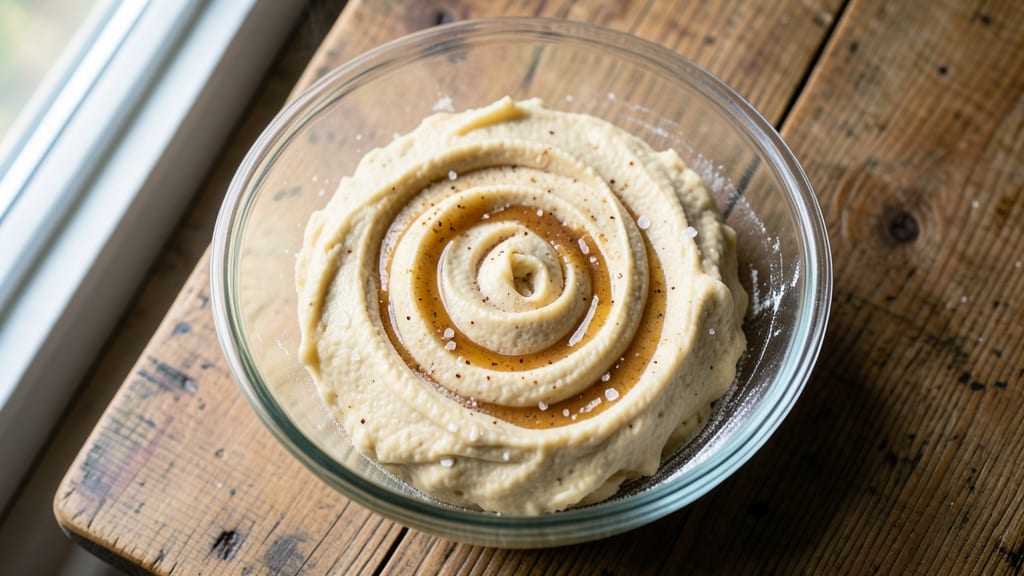
This granny’s sugar cookies recipe delivers that perfect balance of crispy edges and soft centers—just like the ones my grandmother used to bake. The secret lies in precise measurements and a gentle baking technique that transforms simple ingredients into holiday-worthy treats.
I still remember the first time I tasted these cookies fresh from the oven—warm, buttery, and cut into festive shapes that made Christmas mornings feel extra magical.
What sets these cookies apart is the dough's texture—neither too stiff nor too sticky—which makes rolling and cutting shapes effortless. The recipe uses a classic combination of butter, sugar, and flour, with just enough vanilla and almond extract for depth.
Baking at the right temperature ensures those coveted crispy edges while keeping the centers tender, a technique I've perfected over years of holiday baking.
By the time you pull them from the oven, you'll have golden, perfectly shaped cookies with a delicate crunch that gives way to a melt-in-your-mouth center. The aroma alone fills the kitchen with warmth, and the taste?
Pure nostalgia in every bite. These cookies are the kind that disappear faster than you can say "holiday season," so expect to make at least two batches.
Whether you're decorating them with royal icing or keeping them simple with a dusting of powdered sugar, these cookies are versatile enough for any occasion. The recipe scales easily, so you can feed a crowd or just enjoy a small batch with your morning coffee. Let's get baking!
Ingredients for granny's sugar cookies
Buttery, sweet, and perfect for holiday baking—just like grandma made.
| Ingredient | Amount | Notes |
|---|---|---|
| Unsalted Butter 🧈 | 1 cup | Cold, cubed for texture |
| Granulated Sugar 🍚 | 1 ½ cups | Superfine for smoother dough |
| Light Brown Sugar 🍚 | ½ cup | Packed, for moisture |
| All-Purpose Flour 🌾 | 3 cups | Sifted, for light texture |
| Pure Vanilla Extract 🍯 | 1 tbsp | High-quality, no alcohol |
| Almond Extract 🌿 | ½ tsp | For classic granny flavor |
| Large Eggs 🥚 | 2 whole | Room temperature for blending |
| Baking Soda 🧂 | ½ tsp | For lift and crisp edges |
| Salt 🧂 | ½ tsp | Fine sea salt preferred |
| Powdered Sugar 🍚 | 1 cup | For dusting finished cookies |
| Cookie Cutters 🎄 | 1 piece | Holiday shapes preferred |
| Granulated Sugar 🍚 | ½ cup | For rolling dough |
The butter here is non-negotiable—use European-style butter if you can find it (like Plugrá or Land O'Lakes European Style), but regular unsalted works too. The brown sugar needs to be packed—tap it lightly in the cup to remove air bubbles. For the vanilla, Heinz Pure or McCormick Pure are my go-tos, but any good-quality extract works. Almond extract is key for that classic granny flavor—don’t skip it! The flour should be sifted before measuring to avoid dense cookies. I always grab King Arthur flour at Whole Foods or Trader Joe's for the best texture.
No almond extract? Extra vanilla at double the amount gets you close, but you’ll miss that nutty depth. Short on brown sugar? White sugar plus 1 tsp molasses mimics the moisture. The eggs need to be room temperature—pop them in warm water for 5 minutes if they’re straight from the fridge. For the powdered sugar, Domino or C&H are fine, but avoid the super-fine kind—it clumps. Cookie cutters? Wilton or Kitchy holiday sets are my favorites, but any shape works. No cookie cutters? Use a glass and trace it on parchment.
This dough keeps for 3 days in the fridge, wrapped tightly in plastic. For longer storage, freeze shaped dough balls on a tray, then transfer to a bag for up to 3 months. Baked cookies? Store in an airtight container with parchment between layers—they stay crisp for 1 week. Double batches are worth it—these disappear fast!
Why You'll Love This Recipe
- No-Fuss Mixing: I swear by this dough—just cream butter and sugars, toss in flour, and fold in vanilla. No food processor, no weird ratios, just three bowls max and you’re rolling. Honestly, the hardest part is deciding whether to cut shapes or just scoop balls.
- Butter-Sugar Magic: That combo of brown and white sugar? It’s what makes these cookies ridiculously tender with just enough chew. The vanilla? Pure, no imitation stuff—it sings through every bite like a warm hug from Grandma’s kitchen.
- Holiday or Snack: Decorate them for Christmas or leave them plain for a coffee break. Between us, I’ve frosted them for birthdays, packed them in lunchboxes, and even crushed them into pie crusts. (Yes, even on a Tuesday night.)
- Lasts All Week: These don’t go stale—if they do, they’re still delicious. I’ve had them sit in an airtight container for days, and they taste like they were fresh-baked. Plus, the dough keeps for weeks in the fridge, so you’re never scrambling for ingredients.
Step-by-step instructions for granny's sugar cookies
Here's how to craft those perfect festive cookies with crisp edges and tender centers—just like grandma used to make.
Cream the Butter and Sugars Together
In a large mixing bowl, combine the 1 cup unsalted butter (cold and cubed) with the 1.5 cups granulated sugar and 0.5 cup light brown sugar. Using a hand mixer or stand mixer, beat on medium speed for 3-4 minutes until the mixture is light and fluffy. You'll notice the sugar gradually dissolves and the butter becomes pale, almost creamy in texture.
This step is crucial for incorporating air into the dough, which helps create those crisp edges and soft centers. If the butter feels too soft, chill the bowl in the refrigerator for 10 minutes before continuing. The goal is a smooth, ribbon-like consistency that holds its shape when you lift the beaters.
Add Extracts and Eggs for Flavor
Once the butter and sugar mixture is light and fluffy, add the 1 tablespoon pure vanilla extract and 0.5 teaspoon almond extract. Mix on low speed for 30 seconds to combine. Then, add the 2 whole large eggs, one at a time, mixing just until each egg is fully incorporated.
The almond extract gives these cookies that classic granny flavor, but don't overmix—just enough to blend. If you mix too vigorously, you'll develop gluten in the dough, which can make the cookies tough. The mixture should be smooth and slightly thick, like a soft cookie dough.
Combine Dry Ingredients for Perfect Texture
In a separate bowl, whisk together the 3 cups all-purpose flour, 0.5 teaspoon baking soda, and 0.5 teaspoon salt. Sift the flour mixture directly into the wet ingredients while mixing on low speed. This prevents lumps and ensures even distribution of the baking soda and salt throughout the dough.
Once combined, mix just until the flour is mostly incorporated—you should still see a few streaks of flour. Overmixing here can lead to tough cookies. Scrape down the sides of the bowl with a spatula to ensure everything is evenly mixed. The dough should be soft and slightly sticky but manageable.
Chill and Roll for Crisp Edges
Transfer the dough to an airtight container and refrigerate for at least 1 hour (or up to 24 hours). Chilling is essential—it firms up the butter, which prevents the cookies from spreading too much in the oven and ensures those crisp edges. I like to press the dough into a flat disk before chilling for easier rolling later.
After chilling, preheat your oven to 375°F and line two baking sheets with parchment paper. On a lightly floured surface, roll out the dough to about ¼-inch thickness. Use the cookie cutters to cut out festive shapes, then place them on the prepared baking sheets, spacing them about 1 inch apart for even baking.
Bake to Golden Perfection
Bake the cookies for 8-10 minutes until the edges are golden brown and the centers still look slightly soft. They'll continue to set as they cool, so don't overbake. Rotate the baking sheets halfway through for even browning.
Remove the cookies from the oven and let them cool on the baking sheets for 2 minutes before transferring to a wire rack. While still warm, dust the tops with 1 cup powdered sugar for that classic granny finish. For extra sparkle, sprinkle with a little 0.5 cup granulated sugar mixed with a pinch of salt right after baking.
Pro Tips For Making Granny'S Sugar Cookies
- CREAM BUTTER FIRST: Take your unsalted butter straight from the fridge—no softening needed. Use a food processor or stand mixer to pulse it with the sugars until it looks like wet sand, not buttercream. This keeps the dough from spreading too much when baking (yes, even if you’re impatient like me).
- SIFT THAT FLOUR: Skip the measuring cups and sift the all-purpose flour directly into your mixing bowl. This aerates it, so your cookies stay light instead of dense. I learned this the hard way—my first batch turned out like hockey pucks.
- CHILL THE DOUGH: Divide the dough into portions, flatten them into discs, and freeze for at least 30 minutes before rolling. Cold dough rolls cleaner and doesn’t stick to your cutting tools. (Pro move: Use parchment paper between layers if stacking.)
- USE LESS VANILLA: Start with half the vanilla extract called for—taste the dough first. Too much can overpower the buttery sweetness, and you’ll end up with cookies that taste like a perfume bottle. Adjust to your preference, but less is often more.
Regional styles of this dish
Southern Classic
In the South, these cookies often include a touch of cornmeal—about 2 tablespoons—mixed into the dry ingredients. This gives them a subtle crunch and a slightly nutty flavor that pairs perfectly with the buttery sweetness.
I’ve found that Southern bakers also tend to use less almond extract (just ¼ teaspoon) and rely more on extra vanilla for depth.
The dough is rolled slightly thicker—about ⅛-inch—to create a chewier texture, and the cookies are baked at 350°F for 12-14 minutes to ensure a softer center. 🌶️
Midwest Crispy Edges
The Midwest takes these cookies to another level with a double-dusting technique. After baking, they’re first dusted with powdered sugar while warm, then immediately rolled in a mix of ½ cup granulated sugar and 1 teaspoon cinnamon while still on the baking sheet.
This creates those iconic crispy, caramelized edges that Midwest bakers are famous for. I’ve seen this trick in Iowa and Minnesota kitchens—it’s a game-changer for texture lovers. The dough is also rolled thinner (⅛-inch) and baked at 375°F for 9-11 minutes to achieve that perfect balance. ⚡
New England Spiced Twist
Up north, these cookies get a cozy, spiced upgrade. New England bakers often add 1 teaspoon ground cinnamon and ½ teaspoon nutmeg to the dry ingredients, along with a pinch of cardamom for warmth.
The dough is rolled ⅛-inch thick, and the cookies are baked at 350°F for 12-13 minutes. After baking, they’re brushed with a simple glaze made from ½ cup powdered sugar and 1 tablespoon heavy cream, then sprinkled with crushed peppermint or candied cranberries for a festive touch.
This version feels like a hug in cookie form. 💛
Pacific Northwest Soft-Centered
Out west, the focus shifts to ultra-soft centers with a delicate crunch. The dough includes 1 extra tablespoon of brown sugar and is rolled ⅛-inch thick, then baked at 325°F for 14-16 minutes—lower heat and longer time ensure the centers stay tender.
After baking, they’re dusted with powdered sugar and often paired with fresh berry compote or mascarpone cream for a dessert-like finish. I’ve seen this version at holiday markets in Seattle, where the cookies are served warm with a side of chilled whipped cream. 🍓
Texas-Style Cinnamon Sugar
In Texas, these cookies are often rolled in cinnamon sugar after baking, but with a twist: they add 1 tablespoon of honey to the dough for extra moisture.
The dough is rolled ⅛-inch thick and baked at 375°F for 10-12 minutes, then immediately rolled in a mix of ½ cup granulated sugar and 2 teaspoons cinnamon while still warm. The result? A cookie with a caramelized, almost candy-like crust that’s irresistible.
This version is a staple at Texas holiday gatherings—trust me, they disappear fast. 🌟
Nutrition facts
Frequently asked questions
Why do these cookies need to chill before baking?
Chilling the dough for at least 1 hour is key for those perfect crispy edges. The cold butter firms up, preventing excessive spreading in the oven. It also gives you time to roll the dough evenly—no more sticky messes! Plus, the flavor develops more deeply during chilling.
Can I make these cookies without almond extract?
Yes, but you'll lose that classic granny flavor. Use 2 teaspoons extra vanilla extract instead. For depth, add ½ teaspoon lemon zest to the dough. The texture stays the same, but the taste will be slightly different.
How do I prevent my cookies from spreading too much?
Use cold butter, chill the dough thoroughly, and roll it ¼-inch thick. Bake at 375°F for 8-10 minutes—no longer! Overbaking causes spreading. Also, don't overcrowd the baking sheet.
Can I freeze the dough for later?
Shape the dough into balls, place them on a tray, and freeze for 1 hour. Then transfer to a bag with parchment between layers. They'll keep for 3 months. Bake straight from frozen, adding 1-2 extra minutes to the time. Perfect for holiday prep!
What's the best way to decorate these cookies?
For a classic look, dust with powdered sugar while warm. For festive flair, mix ½ cup sugar + 1 teaspoon cinnamon and roll baked cookies in it. For royal icing, let cookies cool completely first. The key is timing—decorate right after baking for the best texture.