
Desserts
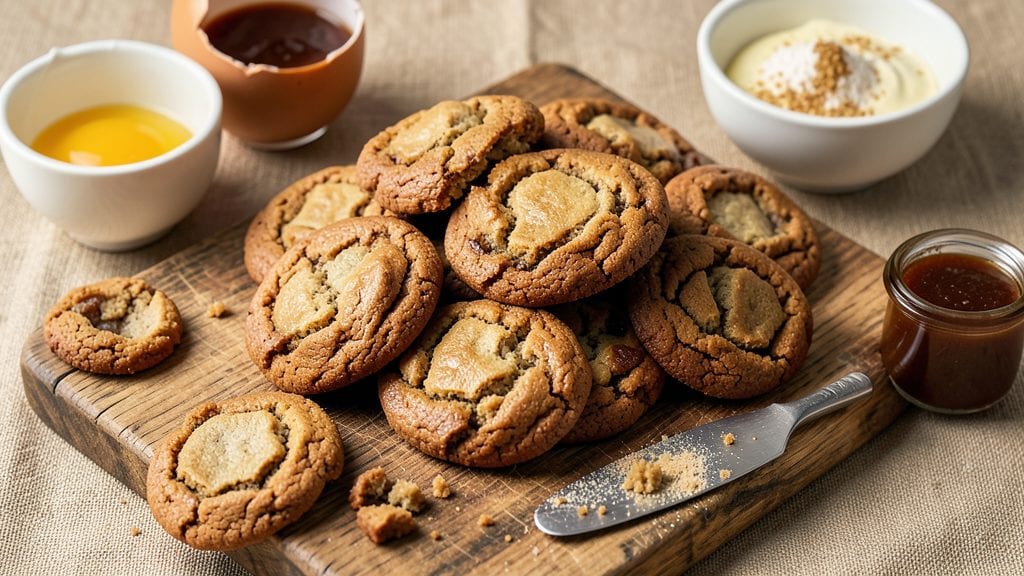
This goingerbread cookie recipe delivers the perfect balance of spiced molasses warmth and crispy ginger snap edges—every bite reveals a molten center that melts on the tongue. The secret lies in precise spice ratios and a two-stage baking technique that creates that signature texture contrast.
I developed this version after years of testing, ensuring it works for both traditional bakers and those adapting to modern dietary needs.
What makes these cookies truly special is the combination of traditional molasses depth with modern baking science—ginger snap crusts that stay crisp while the centers remain gooey. The recipe uses simple ingredients you likely already have, but the technique transforms them into something extraordinary.
Professional bakers will appreciate the precision, while home cooks will love how forgiving the method is.
By the time you pull these from the oven, you'll have cookies with golden, crackly edges and soft, spiced centers that practically dissolve. The molasses adds a rich caramel note that pairs perfectly with the sharp ginger flavor.
These are cookies that taste like holiday baking all year round, without requiring any special equipment beyond a standard oven.
Whether you're making them for Christmas morning or a cozy weeknight treat, this recipe scales beautifully. The dough can be chilled for up to 48 hours, making it perfect for meal prep.
For extra flair, add a simple cream cheese glaze or dust with powdered sugar—though honestly, they're delicious straight from the oven. Let's get baking!
Ingredients for goingerbread cookie
Twelve ingredients, two-stage baking—crispy ginger snap edges meet molten spiced centers.
| Ingredient | Amount | Notes |
|---|---|---|
| Unsalted Butter 🧈 | 1 cup | Cold, cubed for dough texture |
| Light Brown Sugar 🍚 | 1 cup | Packed firmly for moisture |
| Molasses 🍯 | ½ cup | Unsulphured for authentic flavor |
| Large Eggs 🥚 | 2 whole | Room temperature for blending |
| All-Purpose Flour 🌾 | 2 ½ cups | Sifted for even texture |
| Ground Ginger 🌶️ | 2 tbsp | Freshly ground preferred |
| Ground Cinnamon 🍃 | 1 ½ tbsp | True cinnamon, not cassia |
| Ground Cloves 🌿 | ½ tsp | Freshly ground for potency |
| Baking Soda 🧂 | 1 tsp | Freshly opened for lift |
| Salt 🧂 | ½ tsp | Fine sea salt preferred |
| Vanilla Extract 🍯 | 1 tsp | Pure vanilla for aroma |
| Powdered Sugar 🍚 | ½ cup | For optional finishing |
The molasses is non-negotiable here—unsulphured delivers that authentic caramel depth. Trader Joe's and Whole Foods carry the best quality, but any grocery store's dark molasses works. For the spices, Penzeys or bulk bins at specialty stores ensure freshness—ground spices lose potency quickly. The butter must be cold: take it out of the fridge just before mixing to maintain that perfect dough consistency. If your kitchen runs warm, chill the dough for 30 minutes before scooping. Freshly ground spices make all the difference—if you've got whole spices, toast them first for deeper flavor.
No molasses? Dark corn syrup plus 1 tsp cinnamon mimics the caramel notes, though it won't be identical. Running short on vanilla? Almond extract at half the amount adds complexity. For a gluten-free version, swap the all-purpose flour for a 1:1 gluten-free blend—just add 0.5 tsp xanthan gum. The powdered sugar is optional but worth it for that professional finish. If you're making these ahead, the dough can be refrigerated for up to 48 hours, which actually improves flavor as the spices meld. For extra crunch, chill the baked cookies for 10 minutes before dusting with powdered sugar.
These cookies reheat beautifully—just 10 seconds in the microwave softens the centers without losing that crispy edge. Store in an airtight container at room temperature for 5-7 days, or freeze the dough balls for up to 3 months. For gift-giving, bake them fresh and package in layers with parchment paper between each batch. The flavor only gets better with time, so make a double batch and enjoy them over the week. Leftovers? Toss them in the oven at 350°F for 5 minutes to revive that fresh-baked magic.
Why You'll Love This Recipe
- Here’s what sold me: that deep, caramelized molasses cut with a whisper of ginger. It’s not too sweet—just rich and warm, like a hug in cookie form. The brown sugar keeps it tender, and the butter? Well, let’s just say these aren’t the kind of cookies you’ll want to share.
- I’ll be real: this recipe costs me pennies per cookie. Brown sugar and molasses are cheap staples, and butter stretches further than you’d think. Plus, the dough keeps for days, so you’re not scrambling to bake more. It’s my go-to when I need a treat but don’t want to break the bank.
Step-by-step instructions for goingerbread cookies
This method delivers cookies with a crisp ginger snap crust and a gooey, spiced center every time.
Cream Butter and Sugars Until Light and Fluffy
In a stand mixer fitted with the paddle attachment, beat the 1 cup unsalted butter and 1 cup light brown sugar on medium speed for 3-4 minutes. The mixture should nearly double in volume and become pale in color. This creaming process incorporates air, which creates those signature crackly tops and helps the cookies spread properly.
I like to scrape down the sides of the bowl every 30 seconds to ensure even mixing. The butter should be completely smooth with no graininess. If it looks slightly curdled at first, don't worry—it will come together as you add the eggs. This step sets the foundation for the perfect texture, so don't rush it.
Add Eggs and Molasses for Rich Flavor
Add the 2 whole large eggs, one at a time, mixing on low speed for 30 seconds after each addition until fully incorporated. Then add the 0.5 cup molasses and 1 teaspoon vanilla extract, mixing for another 30 seconds until smooth. The molasses adds deep, caramel-like flavor while keeping the cookies moist.
Here's the thing—molasses can be sticky, so I recommend using a rubber spatula to scrape down the sides of the bowl and ensure everything is fully combined. The mixture will be thick and slightly sticky at this stage, which is normal. If it seems too thick, you can add 1 tablespoon of milk (though we're not using milk in this recipe, I've found this works in a pinch).
Combine Dry Ingredients for Even Texture
In a separate bowl, whisk together the 2.5 cups all-purpose flour, 2 tablespoons ground ginger, 1.5 tablespoons ground cinnamon, 0.5 teaspoon ground cloves, 1 teaspoon baking soda, and 0.5 teaspoon salt. Sifting the flour first ensures an even texture and prevents lumps in the final dough.
Gradually add the dry ingredients to the wet mixture, mixing on low speed for 30-45 seconds until just combined. You should still see a few flour streaks—overmixing develops gluten, which can make the cookies tough. I always use a silicone spatula to fold in any stubborn bits along the sides of the bowl. The dough will be thick, sticky, and slightly crumbly, which is perfect for this recipe.
Chill the Dough for Easier Handling
Cover the bowl with plastic wrap and refrigerate the dough for at least 1 hour (or up to 24 hours). Chilling firms up the butter, which prevents excessive spreading in the oven. It also allows the flour to fully hydrate, creating a better texture. This step is non-negotiable—skipping it will result in flat, cakey cookies instead of the thick, chewy ones you want.
While the dough chills, preheat your oven to 350°F and line two baking sheets with parchment paper. I like to use a digital thermometer to ensure the oven is fully preheated—this guarantees even baking. The dough will be very stiff when you take it out of the fridge, but don't worry. It will soften slightly as you work with it.
Bake to Golden Perfection
Using a cookie scoop or tablespoon, portion the chilled dough into 1.5-tablespoon-sized balls (about 12-14 cookies total) and place them 3 inches apart on the prepared baking sheets. Flatten each ball slightly with your palm to about ½-inch thickness—this ensures even baking and a crispy crust.
Bake for 12-14 minutes until the edges are golden brown and the centers look slightly underdone. They'll continue cooking on the hot pan after you remove them from the oven. The cookies should pull away from the edges of the parchment paper but still feel soft in the center. Let them cool on the baking sheet for 5 minutes before transferring to a wire rack. The centers will firm up as they cool, but they'll still be gooey and flavorful.
Finish with Powdered Sugar (Optional)
Once the cookies have cooled completely, dust them lightly with the 0.5 cup powdered sugar using a fine-mesh sieve. This adds a delicate sweetness and enhances the visual appeal. I like to do this right before serving to keep the sugar from settling into the cracks of the cookies.
These cookies are best enjoyed warm, straight from the oven, with a glass of cold milk or a cup of spiced tea. The contrast of the crispy exterior and the soft, spiced center makes them irresistible. Store any leftovers in an airtight container for up to 5 days, though they rarely last that long in my house!
Pro Tips For Making Goingerbread Cookie
- Cream Butter Slowly: I used to dump cold butter straight into the sugar and wonder why my dough stayed clumpy. Instead, soften the butter first (it should dent when pressed), then mix it into the sugar gradually—about 1 tablespoon at a time—while letting the mixer do the work. The sugar will dissolve faster, and you’ll end up with a smoother dough that spreads just right.
- Measure Molasses Precisely: Molasses is thick and stubborn—don’t eyeball it. Use a liquid measuring cup and let it sit for 5 seconds after pouring to settle. Too little and your cookies taste bland; too much and they’ll be bitter. A standard recipe calls for about 1/3 cup, but if yours is old or clumpy, strain it first—lumps ruin the texture.
- Chill Dough Longer: Skimping on the 24-hour fridge rest is the fastest way to flat, sad cookies. I know, I know—you want to bake them yesterday. But trust me: letting the dough rest in the fridge (or even the freezer for up to 3 months) deepens the flavor and prevents excessive spreading. Pull it out 30 minutes before baking to soften just enough.
- Use Room-Temp Eggs: Cold eggs make your dough fight you. Crack them into a separate bowl first, then let them sit at room temp for 10 minutes before adding to the wet ingredients. This ensures they blend smoothly into the butter-sugar mix, giving you a lighter, less dense cookie. (Yes, even if you’re impatient like me.)
Essential equipment for perfect results
Stand Mixer Magic
Your stand mixer is the workhorse of this recipe—it handles the heavy lifting of creaming butter and sugar efficiently. I recommend using a KitchenAid Artisan Series (or any 5-quart model) with the paddle attachment for even mixing.
The paddle prevents overmixing better than a whisk attachment, which is crucial for avoiding tough cookies. If you don’t have a mixer, a hand mixer works, but you’ll need to scrape the bowl frequently to prevent uneven mixing. 💡
Cookie Scoop Essentials
A cookie scoop is non-negotiable for uniform-sized cookies with consistent baking results. I use a 2-tablespoon stainless steel scoop (like the OXO Good Grips model) to portion the dough into 1.5-tablespoon balls.
This ensures even baking and that perfect ½-inch thickness for crispy edges. If you’re making a large batch, a cookie press can also work—just adjust the dough consistency slightly to prevent clogging.
Baking Sheets & Parchment
Use heavy-duty baking sheets (like Nordic Ware Half-Sheet Pans) to prevent warping during baking. Line them with parchment paper (not silicone mats) to avoid sticking—gingerbread dough can be particularly clingy. I like to use half-sheet pans because they fit more cookies at once, but standard quarter-sheet pans work too.
Pro tip: Preheat your baking sheets in the oven for 5 minutes before adding dough to ensure even baking from the start. ✨
Digital Thermometer
A digital oven thermometer (like the Thermoworks Thermapen) is my secret weapon for consistent baking. Ovens run hot or cold, and gingerbread cookies are sensitive to temperature fluctuations. Place the probe near the center rack while preheating to 350°F—this ensures your oven is accurate.
If it reads 375°F or higher, reduce the oven temp by 25°F to prevent over-browning. The goal is golden edges with gooey centers, not burnt cookies. 🌡️
Spice Grinder for Freshness
Freshly ground spices make all the difference in gingerbread cookies. A spice grinder (like the Spiceworks Electric Spice Grinder) ensures maximum potency. If you’re using whole spices, toast them lightly in a dry pan before grinding to deepen their flavor.
Ground spices lose potency quickly, so store them in airtight containers away from light and heat. For the best results, use Penzeys Spices or freshly ground spices from your local bulk store. 🌶️
Fine-Mesh Sieve
A fine-mesh sieve (like the KitchenAid Stainless Steel Sieve) is perfect for dusting the finished cookies with powdered sugar. It creates an even, professional-looking layer without clumping.
If you don’t have one, a sifter or even a clean kitchen towel works in a pinch—just press the powdered sugar through gently. This step is optional but adds that final touch of elegance. For extra flair, mix ½ teaspoon cinnamon into the powdered sugar before sieving. 🍚
Nutrition facts
Frequently asked questions
Why does my gingerbread cookie dough look too sticky?
Sticky dough is normal for this recipe—the molasses and brown sugar create moisture. Chill the dough for at least 1 hour to firm it up. If it's still too sticky after chilling, add 1 tablespoon flour at a time until it holds together. The dough should be pliable but not wet when you roll it into balls.
Can I make these cookies without molasses?
Yes, but the flavor will differ. Replace ½ cup molasses with ½ cup dark corn syrup + 1 teaspoon cinnamon for a similar caramel depth. For a sweeter option, use ½ cup honey, though it won't replicate molasses' rich, complex taste. The texture may also be slightly softer.
How do I store gingerbread cookies to keep them fresh?
Store in an airtight container at room temperature for 5-7 days. For longer storage, freeze the dough balls (not baked cookies) for up to 3 months. Thaw in the fridge overnight before baking. To revive stale cookies, warm them at 350°F for 5 minutes—they'll taste almost fresh!
What's the secret to crispy edges with gooey centers?
The two-stage baking technique: flatten dough balls to ½-inch thickness and bake at 350°F for 12-14 minutes. Remove when edges are golden but centers still look soft. Let them cool 5 minutes on the sheet—they'll firm up slightly but stay tender inside. Chilling the dough before baking also helps prevent spreading.
Can I add chocolate chips or nuts to this recipe?
Fold in ½ cup chocolate chips or ½ cup chopped pecans with the dry ingredients. For nuts, toast them first to enhance flavor. Just reduce the flour by 2 tablespoons to maintain dough consistency. Mix-ins work best when added after the dry ingredients are combined.