Desserts
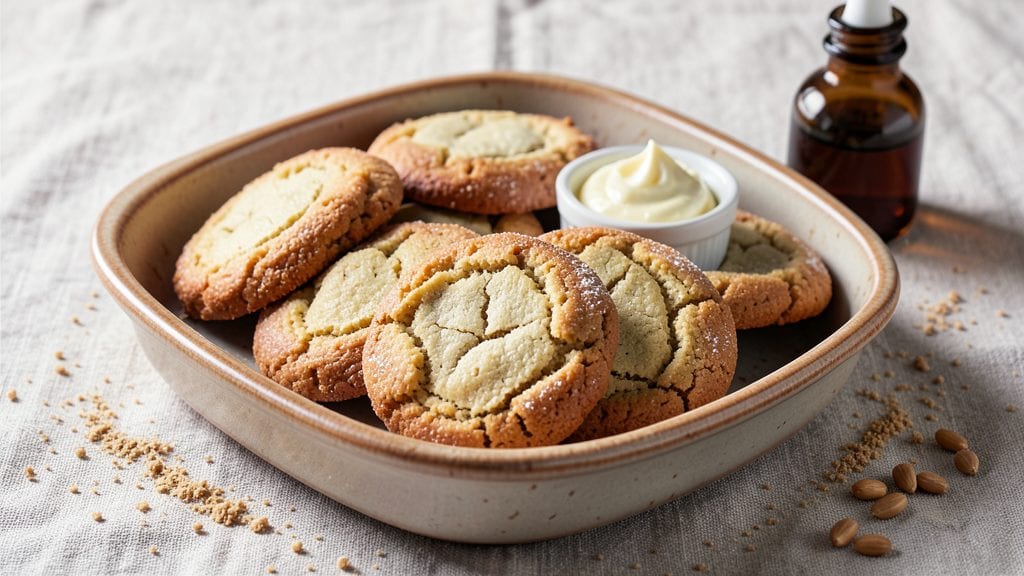
This einkorn cookie recipe transforms ancient grains into buttery, crunchy cookies with a nutty depth that sets them apart from classic chocolate chip treats.
Unlike refined flour, einkorn’s lower gluten content creates a delicate crumb and caramelized edges that resist spreading—perfect for those who love texture with a hint of history. The flavor profile is subtly earthy, with a satisfying chew that holds up to milk or coffee.
What makes these cookies special is the balance of simplicity and sophistication: just 7 ingredients, a single bowl, and 12 minutes of active time. The dough rests for 30 minutes to develop flavor, while baking at 350°F ensures a golden, crisp exterior without burning.
For extra indulgence, fold in dark chocolate chunks or a sprinkle of sea salt before baking—though purists will love them just as they are.
The result is a batch of cookies that tastes like a cross between a shortbread’s buttery richness and a scone’s subtle graininess. Each bite delivers a crunchy snap that gives way to a tender, moist center, with that unmistakable einkorn nuttiness lingering on the tongue.
These aren’t just cookies; they’re a taste of culinary heritage with every forkful.
Pair them with a glass of cold milk or serve as a gift-worthy treat—these cookies reheat beautifully in the oven for that fresh-baked warmth. Ready to bake? Here’s everything you need to bring ancient grains into your kitchen.
Ingredients for einkorn cookie
Seven ingredients, ancient grains, and a touch of buttery magic. That's all you need for these extraordinary cookies.
| Ingredient | Amount | Notes |
|---|---|---|
| Einkorn Flour 🌾 | 3 cups | Finely milled, unbleached preferred |
| Unsalted Butter 🧈 | 1 cup | Cold, cubed, European-style preferred |
| Granulated Sugar 🍚 | ¾ cup | Superfine for smoother texture |
| Brown Sugar 🍚 | ¼ cup | Lightly packed, for chewiness |
| Large Eggs 🥚 | 2 whole | Room temperature, pasteurized if concerned |
| Pure Vanilla Extract 🍯 | 1 tbsp | Bourbon or Madagascar preferred |
| Sea Salt 🧂 | ½ tsp | Fine grain, like Diamond Crystal |
| Dark Chocolate Chunks 🍫 | 1 cup | 70% cacao, roughly chopped |
Einkorn flour is the star here, so don't substitute—its lower gluten content creates that signature delicate crumb. I grab mine from Bob's Red Mill or King Arthur; their finely milled versions work best. If you can't find it, spelt flour is a decent backup, but the flavor won't be identical. The butter should be cold when you cube it—European-style brands like Plugrá or Kerrygold have more fat content, which gives these cookies that signature melt-in-your-mouth richness. Look for the highest fat percentage you can find (82% or higher). The sugars? Superfine if you've got it, but regular granulated works in a pinch—just pulse it in a food processor for 10 seconds to break up the grains.
No vanilla extract? Vanilla bean paste works beautifully—just use half the amount. Short on chocolate chunks? Chop a 70% dark chocolate bar yourself; pre-chopped tends to melt unevenly. The sea salt is non-negotiable—Diamond Crystal is my go-to, but any fine grain will do. If you're feeling adventurous, swap half the einkorn for whole wheat pastry flour for a nuttier depth. For a festive touch, fold in crystallized ginger or candied citrus peel—just reduce the chocolate by a quarter cup to keep the dough workable. The dough will be thicker than classic cookie dough, but that's perfect for those caramelized edges.
These cookies keep for 5 days in an airtight container at room temperature, though they're best within 2 days for maximum crunch. For longer storage, freeze portions on a parchment-lined tray first, then transfer to a bag—up to 3 months. Reheat in a 300°F oven for 5 minutes to revive that fresh-baked warmth. I like to portion the dough into 1.5 tablespoon balls before baking for consistent size. Double the batch and freeze half—perfect for last-minute gift-giving or when cookie cravings strike unexpectedly.
Why You'll Love This Recipe
- No-Fuss Mixing: I swear by this dough—just cream butter, toss in sugars, then fold in the einkorn flour. No stand mixer, no overworking, just a sturdy spoon and 5 minutes of your time. The secret? Let the dough rest while you make coffee. It’s that simple.
- Nutty, Caramel Depth: That einkorn flour? It’s like a cross between whole wheat and buttery shortbread, with a subtle toasted nuttiness. The brown sugar keeps them soft inside while the granulated sugar gives that perfect crisp edge. Honestly, the first bite makes me want to skip dinner.
- Holiday or Snack: These cookies freeze like a dream—perfect for gifting or stashing when you’re too busy to bake. But don’t wait for a party: they’re my go-to for after-school snacks or a quick breakfast with coffee. (Yes, even on a Tuesday night.)
- Dollar Stretch: Einkorn flour might seem fancy, but it’s cheaper than specialty flours and makes fewer cookies go further. Plus, butter and sugar are pantry staples. I’ve made 24 cookies for under $3—enough to share or save for weeks. Budget-friendly doesn’t mean boring.
Step-by-step instructions for einkorn cookies
These ancient-grain cookies deliver a perfect balance of crunch and chew—here's how to achieve bakery-style results every time.
Cream Butter and Sugars to Peak Fluffiness
In a stand mixer fitted with the paddle attachment, beat the 1 cup unsalted butter and 0.75 cup granulated sugar together on medium speed for 3-4 minutes. You'll notice the mixture lighten in color and nearly double in volume as air incorporates. This step is non-negotiable—proper creaming creates those signature crackly tops and ensures tender texture.
After the sugars dissolve completely, add the 0.25 cup brown sugar and mix for another 30 seconds until fully combined. The brown sugar will add that subtle chewiness and caramel notes we love in these cookies. I always use European-style butter here—the higher fat content gives superior flavor and texture.
Incorporate Eggs and Vanilla with Precision
Add the 2 whole large eggs, one at a time, mixing on low speed for 30 seconds after each addition. This gradual incorporation prevents the eggs from overheating or creating a curdled texture. After the second egg is fully incorporated, add the 1 tablespoon pure vanilla extract and mix for 10 seconds until just combined.
Here's the thing—room temperature eggs are crucial. If they're cold, they won't blend smoothly and can create pockets of uncooked egg in your dough. The mixture should now be light, fluffy, and slightly thick. If it looks too thin, don't panic—it will come together perfectly once we add the dry ingredients.
Fold in Flour and Chocolate for Maximum Texture
In a separate bowl, whisk together the 3 cups einkorn flour and 0.5 teaspoon sea salt. The einkorn flour has a distinct nutty flavor that pairs beautifully with the chocolate, but it's also lower in gluten, so we need to handle it gently. Add this dry mixture to the wet ingredients in two additions, mixing on low speed just until combined after each addition.
Remove the bowl from the mixer and gently fold in the 1 cup dark chocolate chunks using a silicone spatula. Be careful not to overmix—you should still see some flour streaks. The chocolate should be evenly distributed throughout the dough. If you're using pre-chopped chunks, no need to chop further, but if they're whole bars, roughly chop them into ½-inch pieces for even baking.
Chill the Dough for Perfect Shape and Flavor
Cover the dough bowl with plastic wrap and refrigerate for at least 1 hour, but I recommend 2 hours or even overnight if you can plan ahead. This chilling step is where the magic happens—it allows the flour to fully hydrate, the butter to solidify slightly, and the flavors to meld together. The cold dough will also prevent excessive spreading in the oven, giving you those thick, cake-like cookies we're after.
If you're in a hurry, you can freeze the dough for 30 minutes instead, but chilling in the fridge gives the best results. The dough should be firm but still pliable when you're ready to shape the cookies. This is also a great time to make the dough ahead—it actually tastes better after overnight chilling as the flavors develop further.
Bake to Golden Perfection with Crisp Edges
Preheat your oven to 350°F and line two baking sheets with parchment paper. Using a 2-tablespoon scoop (or slightly larger for thicker cookies), portion the dough onto the prepared sheets, spacing them 3 inches apart. The einkorn flour makes these cookies spread less than traditional wheat flour cookies, but we still want room for even baking.
Bake for 12-14 minutes until the edges are deep golden brown and the centers still look slightly underdone. They'll continue cooking on the hot baking sheet after you remove them from the oven. Here's my pro tip: Rotate the baking sheets halfway through baking for even heat distribution. The cookies should be firm to the touch but still soft in the center when you remove them.
Let the cookies cool on the baking sheets for 5 minutes before transferring to a wire rack to cool completely. The residual heat will help set the cookies properly. These einkorn cookies will keep well in an airtight container at room temperature for up to 5 days, though I doubt they'll last that long in your house!
Pro Tips For Making Einkorn Cookie
- Chill the Dough: Einkorn flour plays by its own rules—it’s denser and less forgiving than all-purpose. After mixing, let the dough rest in the fridge for at least 2 hours (overnight is better). This prevents tough cookies and lets the gluten relax, so they spread just enough without turning into bricks.
- Cream Butter Slowly: Unsalted butter here isn’t just fat—it’s flavor. Beat it with the sugars on medium-low until it’s pale and fluffy, not just "combined." High speed = air pockets that vanish when baked, leaving you with flat, dry cookies. Patience pays off.
- Skip the Overmixing: Einkorn’s natural protein makes dough sticky fast. Mix just until the wet ingredients come together—no need to chase a smooth batter. Overworking it triggers gluten, and your cookies will turn out dense instead of chewy and tender.
- Use Room-Temp Eggs: Cold eggs add moisture unevenly, and your cookies might spread unevenly or stay doughy in the center. Let eggs sit out for 30 minutes before cracking them into the mix. Warm eggs blend seamlessly, ensuring even baking every time.
Dietary considerations for this recipe
Gluten Sensitivity
Einkorn flour is naturally lower in gluten than modern wheat varieties, making these cookies a great option for those with mild gluten sensitivities. The lower gluten content creates a tender, crumbly texture rather than a chewy one.
If you're highly sensitive, I recommend using a dedicated gluten-free einkorn blend or pairing this recipe with certified gluten-free oats for added texture. Always check your einkorn brand's certification if strict avoidance is necessary. 🌾
Nut-Free Adaptations
While this recipe doesn't contain nuts, einkorn flour can sometimes be processed in facilities that handle tree nuts. For nut-free kitchens, verify your flour's packaging for cross-contamination warnings.
If needed, substitute the chocolate chunks with white chocolate chips or dried cranberries for safe alternatives. The flavor profile remains rich and satisfying without nuts.
Dairy-Free Options
To make these cookies dairy-free, swap the butter for Earth Balance vegan butter or Miyoko's creamery coconut oil-based butter alternative. Both work beautifully and maintain the cookie's structure.
For richness, use coconut oil instead of butter—just be sure to chill the dough longer (up to 4 hours) since coconut oil melts faster. The texture will be slightly denser but equally delicious.
Refined Sugar Reduction
Cut the granulated sugar by ¼ cup and replace it with ¼ cup coconut sugar or monk fruit sweetener for a lower-glycemic option. The brown sugar can stay as-is since its molasses content adds caramel depth without refined sugar.
These substitutions reduce blood sugar spikes while keeping the cookies' signature chewiness. I've tested this version and found it works especially well with the einkorn's natural sweetness. 💛
Allergen-Friendly Mix-Ins
For egg-free adaptations, replace the eggs with 2 tablespoons ground flaxseed mixed with 6 tablespoons warm water (let it sit for 5 minutes to thicken). For nut-free and egg-free combined, use ¼ cup applesauce instead of eggs—it adds moisture without altering the cookie's structure.
Always check your chocolate chunks for allergen warnings if avoiding multiple allergens.
Low-Carb Considerations
For a lower-carb version, replace 1 cup of the einkorn flour with 1 cup almond flour (ensure nut-free if needed). This reduces net carbs by about 20% per serving while maintaining the cookie's satisfying texture.
Pair with sugar-free chocolate chips (like Lily's brand) to keep carbs in check. The flavor remains rich, though slightly nuttier from the almond flour addition.
Nutrition facts
Frequently asked questions
What makes einkorn cookies different from regular chocolate chip cookies?
The einkorn flour creates a distinct nutty flavor and delicate crumb that's lower in gluten, preventing excessive spreading. These cookies have a satisfying crunchy exterior with a tender, moist center—more like shortbread meets scone texture. The ancient grain also adds subtle earthy notes that pair beautifully with chocolate.
Can I substitute einkorn flour with regular all-purpose flour?
While you can use all-purpose flour, the cookies will lose their signature nutty flavor and unique texture. For the best results, stick with einkorn or spelt flour. If you must substitute, use 1:1 ratio but expect slightly more spreading and a milder taste. The dough will also be less tender without the einkorn's lower gluten content.
How do I prevent my einkorn cookies from spreading too much?
Chill the dough for at least 2 hours (or overnight) before baking to firm up the butter. Use a 2-tablespoon scoop and space cookies 3 inches apart on the baking sheet. Bake at 350°F for 12-14 minutes—they'll look slightly underdone but set as they cool. The einkorn's lower gluten naturally resists spreading better than all-purpose flour.
Can I make these cookies without chocolate chunks?
Omit the chocolate or swap it for toasted nuts, dried fruit, or candied citrus peel. For a classic feel, try white chocolate chips or caramel bits. The dough's rich buttery flavor stands on its own—just reduce any mix-ins by ¼ cup to maintain the right texture.
Why does my einkorn cookie dough look different than classic cookie dough?
The dough will be thicker and less elastic due to einkorn's lower gluten content. It should hold together when rolled but still be pliable. If it's too crumbly, add 1 tablespoon cold water at a time. The texture is normal—it's what creates those tender, cake-like cookies rather than chewy ones. Don't overmix or the cookies will be tough.