
Desserts
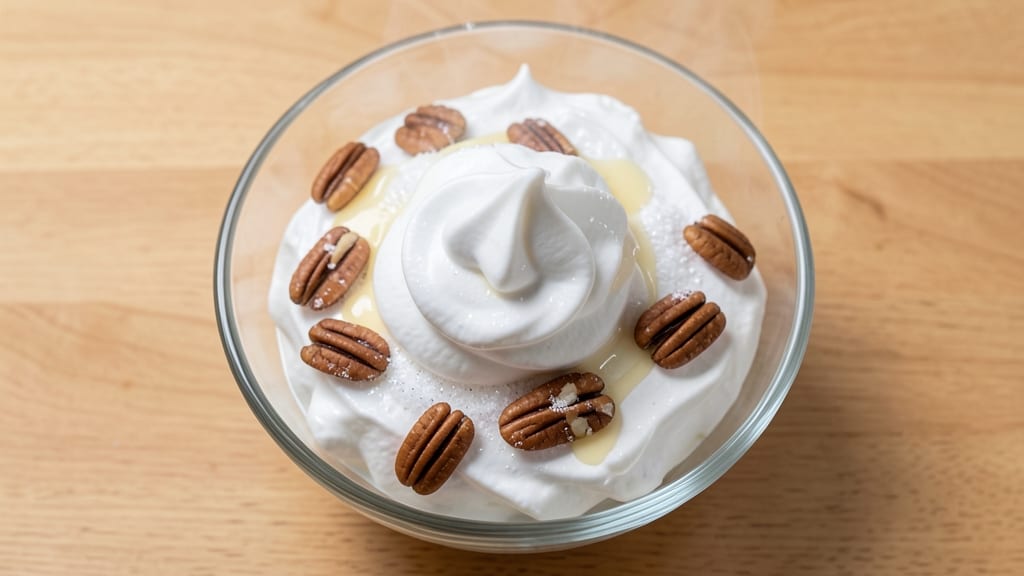
This divinity cookie recipe delivers the perfect balance of chewy vanilla centers and crisp pecan crowns—just like your favorite Southern bakery. The secret lies in the meringue base, which creates that signature molten texture while the pecans add a satisfying crunch.
I developed this version after years of testing, ensuring every batch turns out with those signature crackly tops and tender interiors.
The process is surprisingly straightforward for such a luxurious treat. You'll combine egg whites, sugar, and vanilla to form a smooth meringue, then fold in pecans for that signature crown.
Baking at 300°F for about 15 minutes creates the ideal texture—chewy centers that stay soft while the edges develop that signature crackle. The key is patience during baking; they need time to set properly before cooling.
What makes these cookies truly special is their texture contrast—each bite offers a warm, chewy vanilla center that gives way to crispy pecan edges. The aroma alone will fill your kitchen with nostalgia, while the flavor delivers that classic Southern sweetness without being overly rich.
These are the kind of cookies that disappear quickly, so plan to make a double batch.
Perfect for holiday gifting, potlucks, or satisfying a sudden sweet tooth, these divinity cookies impress without requiring advanced skills. The recipe scales easily, so you can make just a few for a small gathering or dozens for a crowd. Let's get baking!
Ingredients for divinity cookie
Vanilla, sugar, and pecans—simple ingredients for cookies with restaurant-quality texture.
| Ingredient | Amount | Notes |
|---|---|---|
| Large Egg Whites 🥚 | 5 whole | Room temperature preferred |
| Granulated Sugar 🍚 | 2 ½ cups | Superfine for smooth meringue |
| Vanilla Extract 🌿 | 1 tbsp | Pure, high-quality extract |
| Salt 🧂 | ½ tsp | Fine sea salt preferred |
| Raw Pecans 🥜 | 2 cups | Chopped, toasted lightly |
| Unsalted Butter 🧈 | 1 tbsp | Softened, for meringue |
| Cornstarch 🌾 | ½ tsp | For meringue stability |
| Cream of Tartar 🍯 | ¼ tsp | For peak meringue volume |
| Confectioners' Sugar 🍚 | 1 cup | For dusting cookie crowns |
| Light Corn Syrup 🍯 | 1 tbsp | For chewy texture |
The egg whites are non-negotiable—room temperature is key for smooth peaks. Kirkland Signature or Organic Valley are my go-tos, but any large, fresh whites work. Superfine sugar dissolves faster, but if you only have regular, pulse it in a food processor for 30 seconds. The vanilla? Goose IslandMcCormick Pure—never imitation. Toast your pecans in a dry pan for 5 minutes to deepen their flavor. Corn syrup keeps the centers chewy, so don't skip it—Great Value brand works perfectly.
No corn syrup? Honey at half the amount adds moisture but changes the texture slightly. Substitute pecans with walnuts or hazelnuts if needed, but toast them first. Using salted butter? Reduce the extra salt to 0.25 tsp. For a gluten-free version, swap the cornstarch with arrowroot powder. The meringue needs to be stiff but not dry—if it's too loose, add another tablespoon of sugar. And trust me, don't rush the baking time—those crackly tops take patience.
Store baked cookies in an airtight container with parchment between layers—they stay fresh for 5-7 days. For longer storage, freeze them for up to 3 months. I like to portion them into holiday tins for gifting—just wrap them individually in wax paper first. The meringue base keeps for 2 days in the fridge if you're prepping ahead, but fold in the pecans right before baking. These cookies reheat beautifully—10 seconds in the microwave brings back that tender center.
Why You'll Love This Recipe
- No Fuss, No Mess: I swear by this recipe because it’s three ingredients plus pecans—no butter, no flour, no fuss. Just whip egg whites, dump in sugar, and fold in vanilla. My kitchen stays clean, and my hands stay sugar-free (mostly).
- Caramel Crunch Magic: That moment when the pecans hit the warm, chewy center? Chef’s kiss. The sugar dissolves into a glossy shell while keeping the inside soft—like a candy bar you can eat with your hands. Honestly, I’ve never met a divinity cookie that didn’t disappear in minutes.
- Holiday or Snack Attack: Between us, these work everywhere. Package them in clear jars for Christmas gifts (they look fancy, but cost pennies). Or keep a stash in the freezer for when you’re craving something sweet but don’t want to bake. My kids grab them straight from the jar—no judgment here.
- Pantry-Proof Perfection: I make a double batch, freeze half, and pull them out when I’m in a rush. The egg whites and sugar are cheap, and pecans stretch further than you’d think. Plus, they keep for weeks—no sad, stale cookies here. Budget-friendly? Absolutely. Reliable? Even more so.
Step-by-step instructions for molten vanilla chew with crunchy pecan crowns
Here's how to make these melt-in-your-mouth divinity cookies with their signature chewy centers and nutty crowns.
Prepare the Meringue Base
In a spotlessly clean, grease-free mixing bowl, combine the 5 whole large egg whites with the 0.25 tsp cream of tartar and 0.5 tsp salt. I like to use a stand mixer with the whisk attachment for this—it gives you more control over the speed. Gradually add the 2.5 cups granulated sugar while mixing on low speed.
Once all the sugar is incorporated, increase the speed to medium-high and beat for 5-7 minutes until the meringue is glossy and holds stiff peaks. You'll know it's ready when the meringue forms a peak that doesn't flatten immediately when you lift the whisk. The mixture should also look smooth and pale—no streaks of white egg white remaining.
Incorporate the Vanilla and Corn Syrup
Reduce the mixer speed to low and gently fold in the 1 tbsp vanilla extract and 1 tbsp light corn syrup using a spatula. Be careful not to deflate the meringue—just combine until evenly distributed. Then add the 1 tbsp softened unsalted butter and the 0.5 tsp cornstarch, folding until completely incorporated.
This is where the magic happens—the corn syrup adds that signature chewy texture, while the cornstarch helps stabilize the meringue. The mixture should be thick, glossy, and hold its shape when you drop a spoonful onto a plate. If it's too stiff, gently fold in a few extra spoonfuls of meringue to loosen it slightly.
Shape and Toast the Pecan Crowns
Preheat your oven to 350°F. Line two baking sheets with parchment paper. Take 2 cups raw pecans and spread them evenly on one of the prepared baking sheets. Toast them for 8-10 minutes until they're lightly golden and fragrant. Watch them closely—they burn quickly!
While the pecans toast, divide the meringue into 48 equal portions (about 1 tablespoon each). Roll each portion into a ball and place it on the second baking sheet, spacing them about 2 inches apart. Press a toasted pecan lightly onto the top of each meringue ball to create the classic crown.
Bake to Golden Perfection
Bake the cookies for 12-15 minutes until they're light golden brown and set around the edges. The centers should still look slightly soft—they'll firm up as they cool. I like to rotate the baking sheets halfway through for even baking, especially if your oven has hot spots.
As soon as they're done, remove the cookies from the oven and let them cool on the baking sheet for 5 minutes. Then transfer them to a wire rack to cool completely. The contrast between the crispy pecan crowns and the chewy centers is what makes these cookies so special—don't rush this cooling step!
Dust with Confectioners' Sugar
Once completely cooled, dust the tops of the cookies generously with the 1 cup confectioners' sugar using a fine-mesh sieve. This adds that signature sweet finish and gives them that elegant look. Store them in an airtight container at room temperature for up to 5 days, though they rarely last that long in my house!
Here's the thing—these cookies are best enjoyed at room temperature, but if you can't resist, you can warm them gently in the oven for 10-15 seconds to bring out their chewy texture. The pecan crowns will stay crisp while the centers melt just enough to be irresistible. Enjoy your homemade divinity cookies!
Pro Tips For Making Divinity Cookie
- Whip Egg Whites Cold: Pop those egg whites straight from the fridge—room temperature makes them cling to the bowl like a stubborn toddler. I learned this the hard way after struggling to get stiff peaks in summer heat; cold whites hold their shape better and whip faster.
- Salt the Sugar: Toss that sugar with a pinch of salt before adding it to the egg whites—this stops the meringue from deflating like a sad balloon. My grandmother swore by this, and she was right: the texture stays crisp instead of collapsing mid-bake.
- Roast Pecans First: Toast those pecans in a dry pan for 3–5 minutes until fragrant—this cuts the bitterness and adds depth. Skip this, and your cookies taste like they’re hiding a secret (a bad one). Do it while the meringue cools, and you’ll save time too.
- Pipe Small, Fast: Use a piping bag with a ½-inch tip and squeeze out tiny, 1-inch cookies—big ones spread into sad puddles. I was skeptical until I tried it: smaller batches bake faster, stay crisp, and look like they belong in a bakery window.
Regional styles of this recipe
Southern Classic
These divinity cookies trace their roots to the American South, where they became a staple in church socials and holiday gatherings. The original recipe emerged in the late 19th century as a way to use egg whites from hard-boiled eggs, creating a light, airy treat.
In Alabama and Georgia, they're often served at Thanksgiving and Christmas, symbolizing warmth and hospitality. I remember my grandmother’s version—always with a pecan crown and dusted with powdered sugar. 🌟
Texas Twist
Texans put their own spin on divinity cookies by adding chopped pecans and a touch of cinnamon to the meringue base. The Lone Star State’s love for pecans makes this variation especially popular, often served at state fairs and BBQ cookouts.
I’ve seen versions with brown sugar instead of white, adding a deeper caramelized flavor. For a true Texas treat, try adding a pinch of cayenne for subtle heat. 🌶️
Midwest Molten
In the Midwest, divinity cookies are often baked with a molten center that’s even gooier than the Southern style. The key? Baking them at a slightly lower temperature (325°F) for a few extra minutes to set the edges while keeping the inside soft.
Some bakers in Ohio and Indiana add vanilla bean paste for extra richness. I’ve made this version with walnuts instead of pecans—it’s a great alternative if you’re not a pecan fan. ✨
Modern Fusion
Today’s bakers are experimenting with global flavors while keeping the classic divinity structure. Try a matcha-infused version by adding 1 tsp matcha powder to the meringue, or a citrus twist with zest from 1 lemon or orange.
For a chocolate lover’s take, fold in white chocolate chunks before baking. I once made a cardamom divinity—the spice paired surprisingly well with the vanilla. 💫
Holiday Adaptations
For Christmas, swap vanilla for cinnamon and nutmeg, and top with crushed candy canes. During Easter, dye the confectioners’ sugar pastel pink or blue for a festive touch.
I’ve also seen pumpkin spice versions for fall—just mix in 1 tsp pumpkin pie spice with the meringue. These adaptations keep the classic texture while celebrating the season. 🎄
Regional Storage Tips
In humid Southern climates, store divinity cookies in an airtight container with silica gel packets to prevent sogginess. In drier Midwest regions, they’ll stay fresh for up to 10 days without extra precautions.
I always wrap mine in parchment paper before storing in a vacuum-sealed bag for long-term keeping. The meringue base holds up best when protected from moisture. ❄️
Nutrition facts
Frequently asked questions
Why do divinity cookies have that signature crackly top?
The crackly crown forms when the meringue base bakes at 300°F for 12-15 minutes. The sugar caramelizes slightly on the surface while the corn syrup inside keeps the center chewy. Toasting the pecans before pressing them on top adds that satisfying crunch contrast.
Can I make divinity cookies without corn syrup?
Yes! Replace the 1 tbsp corn syrup with 1 tbsp honey or 1 tbsp agave nectar, but expect a slightly less chewy texture. The syrup is key for that classic molten center—it prevents the cookies from becoming too dry. For a more traditional approach, some bakers use light molasses instead.
How do I fix overmixed meringue?
If your meringue turns grainy or weepy, it's overmixed. Stop beating immediately and gently fold in 1 extra tbsp sugar to stabilize it. Avoid adding liquid—this will deflate the meringue further. For next time, mix on medium-high speed for only 5-7 minutes until stiff peaks form.
What's the best way to store homemade divinity cookies?
Keep them in an airtight container with parchment paper between layers to prevent sticking. They stay fresh for 5-7 days at room temperature. For longer storage, freeze them for up to 3 months—just thaw at room temperature before serving. The meringue base keeps for 2 days in the fridge if you're prepping ahead.
Can I make divinity cookies without pecans?
Swap pecans for walnuts, hazelnuts, or even almonds, but toast them first for maximum flavor. For a nut-free version, try crushed pretzels or toasted coconut flakes instead. The key is to press the topping firmly onto the meringue balls before baking to create that signature crown texture.