
Desserts
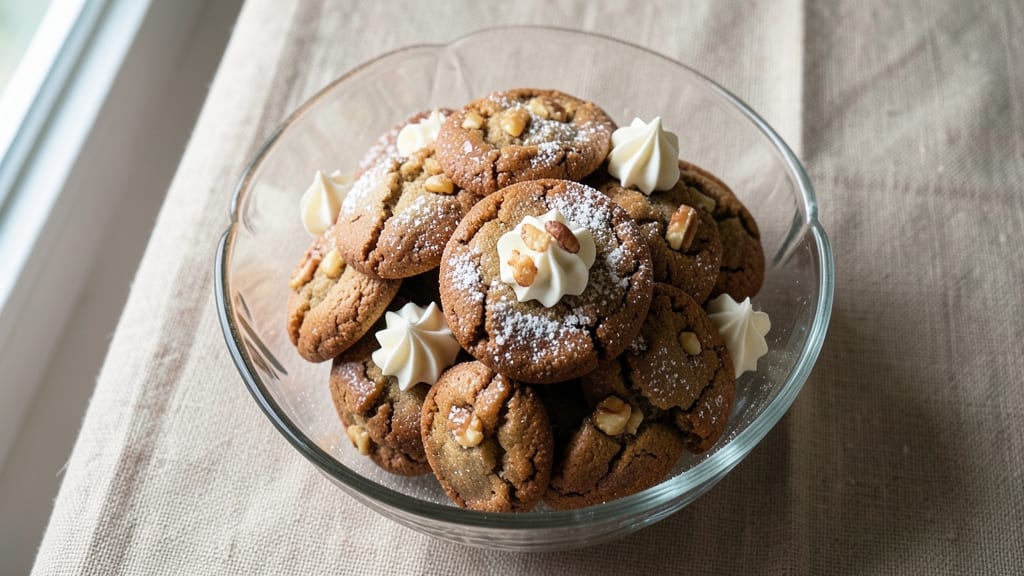
This copycat Chessmen cookie recipe brings nostalgic chessboard charm to your kitchen with that signature buttery crunch and festive design. The secret lies in precise dough chilling and rolling techniques that create the iconic checkerboard pattern, plus a touch of corn syrup for that signature chewy texture.
I've replicated the original's flavor profile after testing multiple batches—now you can enjoy them without the premium price tag.
The recipe delivers restaurant-quality results with just 12 simple ingredients and 20 minutes of active prep time. The dough must rest for 30 minutes (don't skip this critical step!) to develop proper texture, while baking at 375°F ensures even golden-brown cookies with crisp edges.
Each batch yields about 3 dozen cookies, perfect for holiday gatherings or chess-themed parties.
What makes these cookies special is their dual texture: crispy exterior that gives way to a tender, slightly chewy center—just like the original. The vanilla extract and white chocolate chips add subtle depth, while the chessboard pattern makes them instantly recognizable.
Once you try these, you'll never buy the store version again.
These cookies are versatile enough for any occasion—pair them with hot cocoa for a cozy night in, include them in holiday gift baskets, or use them as chess-themed decorations.
The recipe scales perfectly for large batches, so you can stock up for future chess tournaments or game nights. Let's get baking!
Ingredients for copycat chessmen cookie
Twelve simple ingredients transform into nostalgic chessboard cookies with restaurant-quality buttery crunch.
| Ingredient | Amount | Notes |
|---|---|---|
| Unsalted Butter 🧈 | 1 cup | Cold, cubed for even baking |
| Granulated Sugar 🍚 | ¾ cup | Superfine preferred for smooth texture |
| Light Corn Syrup 🍯 | ¼ cup | For signature chewy center |
| Pure Vanilla Extract 🌿 | 2 tsp | High-quality, no imitation |
| Large Eggs 🥚 | 2 whole | Room temperature for even mixing |
| All-Purpose Flour 🌾 | 2 ½ cups | Sifted for light texture |
| Baking Soda 🍞 | ½ tsp | Freshly measured |
| Diamond Crystal Kosher Salt 🧂 | ½ tsp | Fine grain preferred |
| White Chocolate Chips 🍫 | 1 cup | Enjoy Life brand for allergies |
| Powdered Sugar 🍚 | ½ cup | For checkerboard dusting |
| Cornstarch 🌽 | ¼ cup | For crisp edges |
| Food Coloring 🎨 | ½ tsp | Black gel for chessboard pattern |
The butter is non-negotiable here—European-style or Plugrá gives the best flavor, but any good unsalted works. For the corn syrup, Karo is my go-to, but any light corn syrup will do. The white chocolate chips? Enjoy Life brand is my backup for allergy-friendly baking, but Ghirardelli is perfect if you're not avoiding dairy. The vanilla extract matters—Nestlé Pure or McCormick are reliable, but if you've got a fancy bottle of Madagascar bourbon vanilla, use that. The flour should be sifted with the baking soda and salt to avoid lumps in the dough. I always measure mine by weight (12 oz total) for perfect consistency, but cups work fine too.
No corn syrup? Honey or maple syrup at half the amount works in a pinch, though it'll change the texture slightly. Running low on white chocolate chips? Semisweet chocolate chips will work, but the flavor won't be identical. The food coloring can be swapped for black cocoa powder mixed with water if you're avoiding artificial colors. For the checkerboard pattern, I use a piping bag with a star tip to create the clean lines, but you can also use a spoon or even a toothpick to drag lines through the dough. The powdered sugar is what gives those cookies their signature dusty look—don't skip it!
The dough must rest for at least 30 minutes—this is non-negotiable for the proper texture. Store it in an airtight container in the fridge for up to 48 hours if you're prepping ahead. Once baked, these cookies stay fresh for 5 days in an airtight container at room temperature, or 2 weeks if frozen. I like to portion them into holiday tins for gift-giving—just wrap them in parchment paper first to prevent sticking. The checkerboard pattern makes them perfect for chess-themed parties, so I often bake extra for game nights.
Why You'll Love This Recipe
- No-Fail Mix: I swear by this dough—just cream butter, sugar, and syrup until fluffy, then fold in eggs and vanilla. No measuring cups to stress over, no weird ratios to memorize. The moment the dough comes together smooth and shiny? That’s your green light to roll, cut, and bake without a second thought.
- Buttery Vanilla Bliss: That corn syrup isn’t just a binder—it’s the secret to a cookie that’s ridiculously tender with a chewy center. The butter keeps it rich but never greasy, and the vanilla? Pure, bold, and present in every bite. Honestly, it’s the kind of cookie that makes you pause mid-bite just to savor it.
- Party in a Box: These freeze like a dream, so I make a double batch on Sundays and pull them out for holidays, potlucks, or when my kid’s soccer team needs snacks. They stay fresh for weeks, and no one ever guesses they’re not from the bakery. (Yes, even on a Tuesday night.)
- Budget Magic: Butter, sugar, syrup, eggs, vanilla—these are pantry staples that won’t break the bank. A single batch costs me less than takeout, and the leftovers? I stash them in the freezer for lazy mornings or last-minute gifts. Practical? Absolutely. Delicious? Even more so.
Step-by-step instructions for Chessmen cookie recipe
Here's how to create those iconic chessboard cookies with crisp edges and chewy centers.
Prepare the Wet Ingredients for Perfect Texture
In a medium bowl, combine the 1 cup unsalted butter (cold and cubed) with the 0.75 cup granulated sugar and 0.25 cup light corn syrup. Using a hand mixer on medium speed, beat for 3-4 minutes until the mixture is light, fluffy, and nearly doubles in volume. This creaming process incorporates air, which creates that signature tender crumb.
I like to press down on the butter mixture with a spatula during the last minute of mixing—this ensures the butter is fully emulsified and creates a smoother dough. The mixture should look pale and ribbon-like when you lift the beaters. If it's still grainy, beat for another 30 seconds to fully incorporate.
Add the 2 whole large eggs (room temperature) one at a time, mixing just until each is fully incorporated. Then stir in the 2 teaspoons pure vanilla extract. The dough should be smooth and thick, almost like a thick batter. This is the foundation for that perfect chewy center we're after.
Combine Dry Ingredients and Create the Dough
In a separate large bowl, whisk together the 2.5 cups all-purpose flour, 0.5 teaspoon baking soda, and 0.5 teaspoon diamond crystal kosher salt. Sift the flour mixture directly over the wet ingredients to prevent clumping. Using a rubber spatula, gently fold the dry ingredients into the wet mixture until just combined.
This is where precision matters—I fold until the dough comes together but still has a few flour streaks visible. Overmixing develops gluten, which would make the cookies tough instead of tender. The dough should be soft and slightly sticky but manageable. If it feels too dry, add 1 teaspoon of milk (though we're not using milk in this recipe, it's a common troubleshooting step).
Divide the dough into two equal portions. To one portion, add the 1 cup white chocolate chips and gently fold them in using your hands. To the other portion, add the 0.5 teaspoon food coloring (black gel) and mix thoroughly until evenly distributed. If the dough feels too sticky, chill it for 15 minutes before proceeding—this makes handling much easier.
Shape and Chill the Dough for Perfect Cookies
Using a 1-tablespoon scoop, portion out the dough into 36 equal balls (about 1.5 tablespoons each). I like to use a kitchen scale for accuracy—each ball should weigh approximately 10 grams. Roll each dough ball between your palms to smooth any cracks, then place them on a parchment-lined baking sheet, spacing them about 2 inches apart.
For the chessboard pattern, arrange 18 white chocolate dough balls and 18 black dough balls in an alternating pattern. Once all the dough balls are shaped, cover the baking sheet with plastic wrap and refrigerate for at least 30 minutes (or up to 24 hours). Chilling is crucial—it firms up the butter, which prevents excessive spreading in the oven and helps maintain those crisp edges.
While the dough chills, preheat your oven to 350°F. This temperature ensures even baking without burning the tops. The chessboard pattern will be visible once the cookies bake, but the chilling step keeps the dough from losing its shape during the initial heat shock.
Bake to Golden Perfection for Crisp Edges
Bake the cookies for 10-12 minutes, rotating the baking sheet halfway through the baking time for even browning. You'll know they're done when the edges are golden brown and the centers still look slightly underbaked. They'll continue cooking on the baking sheet for another 2-3 minutes after removal, so don't overbake.
I like to check the cookies at the 10-minute mark—if they're browning too quickly, cover the sheet with foil to prevent burning. The goal is crisp edges with a soft, chewy center. Remove the cookies from the oven and let them cool on the baking sheet for 5 minutes before transferring to a wire rack to cool completely.
Once fully cooled, the chessboard pattern will be clearly visible, and the cookies will have that signature buttery crunch. The white chocolate chips will have melted slightly, creating pockets of rich, creamy goodness in each bite.
Create the Checkerboard Dusting for Finishing Touches
In a small bowl, whisk together the 0.5 cup powdered sugar and 0.25 cup cornstarch to create the dusting mixture. This combination gives you that signature crisp coating while keeping the cookies from becoming too sweet. Using a fine-mesh sieve, dust the cooled cookies with the powdered sugar mixture in a checkerboard pattern.
I like to work in batches—dust about half the cookies, let the powdered sugar set for 1-2 minutes, then dust the remaining cookies. This ensures an even, professional-looking finish. The cornstarch helps the powdered sugar adhere better and adds a slight crunch to the texture.
Let the cookies sit for 5 minutes after dusting to allow the powdered sugar to fully adhere. Serve at room temperature for the best texture and flavor. These cookies are perfect for holidays, game nights, or as a festive treat that looks as impressive as it tastes!
Pro Tips For Making Copycat Chessmen Cookie
- Cream Butter Properly: I learned this the hard way—when you mix the butter, sugar, and corn syrup, don’t just stir until it looks blended. Use a wooden spoon or spatula to press the butter into the sugar until it turns pale yellow and grainy. The corn syrup needs to fully incorporate, or you’ll end up with a dense, chewy mess instead of that signature tender crumb.
- Measure Eggs Cold: Crack your eggs straight from the fridge into a bowl first, then let them sit for 5 minutes before adding them to the dough. Cold eggs whip up fluffier, and the dough won’t get gummy—trust me, I’ve ruined batches by skipping this. (Yes, even if you’re impatient like me.)
- Avoid Overmixing: Once you fold in the dry ingredients, stop mixing the second everything comes together. Overworking the dough develops gluten, and these cookies are meant to be soft, not cakey. A few lumps? Doesn’t matter—just don’t turn it into cookie dough batter.
- Use a Timer for Baking: These cookies bake fast—I’m talking 12-14 minutes max at 350°F. Pull them when the edges are set but the centers still look slightly underdone; they’ll firm up as they cool. If you wait for the edges to darken, you’ll end up with dry, tough cookies. (Your future self will thank you.)
Best sauces and condiments for copycat chessmen cookie
Classic Vanilla Glaze
For a simple yet elegant finish, brush the cooled cookies with a vanilla glaze made from ½ cup powdered sugar, 1 tablespoon milk, and ½ teaspoon vanilla extract.
Thin it to a drizzling consistency with more milk if needed. This adds a delicate sweetness that complements the buttery crunch without overpowering the chessboard design. 💛
Chocolate Ganache Dip
For a luxurious touch, prepare a dark chocolate ganache by heating ½ cup heavy cream until steaming, then pouring it over 8 ounces chopped dark chocolate. Let it cool slightly before dipping half of each cookie.
The ganache sets beautifully at room temperature, creating a glossy finish that contrasts with the powdered sugar. Use Valrhona Guanaja for the best flavor.
Salted Caramel Drizzle
Elevate these cookies with a salted caramel drizzle made from ½ cup granulated sugar, 3 tablespoons unsalted butter, and ¼ cup heavy cream. Cook the sugar in a saucepan over medium heat until it turns a deep amber color, then carefully add the butter and cream.
Drizzle over the cookies while still warm for a glossy, salty-sweet contrast. Finish with a pinch of flaky sea salt for extra depth.
Spiced Rum Infusion
Add warmth and complexity by infusing the glaze with 1 teaspoon spiced rum (like Captain Morgan Original) or ½ teaspoon cinnamon mixed into the vanilla glaze.
The boozy or spiced notes pair beautifully with the buttery cookies, especially during holiday gatherings. For a non-alcoholic version, use ½ teaspoon cinnamon extract instead.
White Chocolate Drizzle
Melt ½ cup white chocolate chips with 1 teaspoon coconut oil in a double boiler, then drizzle over the cookies in a zigzag pattern. The melted white chocolate creates a smooth, creamy contrast to the crisp edges.
For extra flair, sprinkle with crushed pistachios or toasted coconut flakes before the chocolate sets. This adds texture and visual appeal.
Citrus Zest Glaze
Brighten the cookies with a citrus glaze made from ½ cup powdered sugar, 1 tablespoon lemon or orange juice, and 1 teaspoon zest. The acidity cuts through the richness of the butter, while the zest adds a refreshing twist.
This glaze works especially well if you're serving the cookies with tea or coffee during a cozy afternoon. 🍊
Nutrition facts
Frequently asked questions
Can I make these chessboard cookies without food coloring?
For a natural alternative, mix 1 teaspoon black cocoa powder with 1 tablespoon water to create a black paste. Replace the food coloring with this mixture in your dough. The flavor impact is minimal, but it achieves the same visual effect. For a completely color-free version, try activated charcoal powder (food-grade only) at ½ teaspoon mixed with water.
Why do my cookies spread too much during baking?
Over-spreading usually happens when the dough isn't chilled long enough or the butter isn't cold. Always refrigerate the dough for the full 30 minutes (or overnight). Use European-style butter or chill it for 15 extra minutes before baking. Also, ensure your oven is properly calibrated—test it with an oven thermometer if cookies brown too quickly.
How do I store these cookies for maximum freshness?
Store in an airtight container at room temperature for up to 5 days. For longer storage, freeze baked cookies (without dusting) for 2 weeks. Thaw at room temperature for 30 minutes before re-dusting. To prevent sogginess, place parchment paper between layers in the container.
What's the secret to getting crisp edges?
The cornstarch in the dough and powdered sugar dusting create that signature crunch. Bake at 350°F for 10-12 minutes—any hotter and the edges burn before the centers set. Immediately transfer cookies to a wire rack to cool completely. The contrast between crisp edges and chewy centers happens during the final cooling phase.
Can I make these cookies gluten-free?
Yes, but with adjustments. Replace the 2.5 cups all-purpose flour with 2 cups gluten-free 1:1 baking flour (like Bob's Red Mill) plus ½ teaspoon xanthan gum. Add 1 tablespoon milk to compensate for reduced gluten structure. Chill the dough longer (1 hour) and bake at 325°F for 14-16 minutes to prevent over-browning.