Soups & Stews
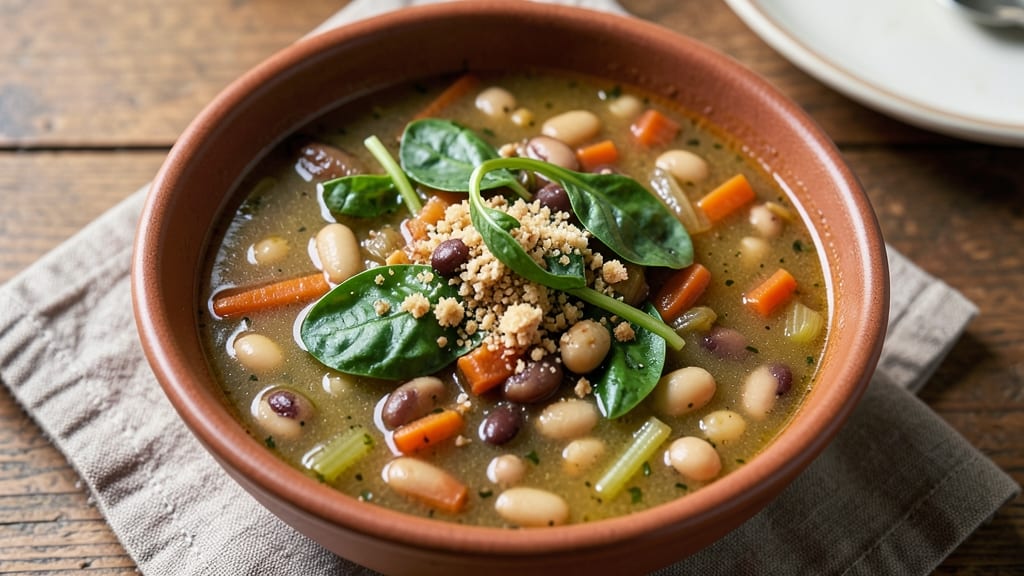
Cookie and Kate's minestrone soup recipe delivers the ultimate in cozy, vegetable-packed comfort—just like Nonna used to make, but with modern twists that keep it vibrant and satisfying.
The beauty of this dish lies in its simplicity: a single pot simmers together hearty beans, tender pasta, and an array of seasonal vegetables until everything melds into a rich, flavorful broth.
I've tested countless variations, and this one consistently earns rave reviews for its balance of rustic tradition and approachable technique.
What sets this recipe apart is its ability to transform humble ingredients into something truly special. Dried beans and pasta soak up the savory broth, while carrots, celery, and tomatoes develop deep, caramelized flavors during the long simmer.
The addition of kale or spinach at the end ensures vibrant color and a boost of nutrients without overpowering the dish. This is the kind of soup that tastes even better the next day, making it perfect for meal prep or feeding a crowd.
The result is a bowl of soup that's deeply comforting yet light enough for any meal—creamy from the beans and pasta, bright from the tomatoes, and rich with aromatic herbs.
Each spoonful delivers layers of texture and flavor, from tender vegetables to al dente pasta and the satisfying bite of beans. The broth is robust enough to stand alone but welcoming enough to embrace any garnish you choose.
Whether you're serving it as a weeknight staple or a centerpiece for a casual gathering, this minestrone soup brings warmth and satisfaction to the table. Here's how to make it—just like Cookie and Kate would want.
Ingredients for cookie and kate minestrone soup
Hearty vegetables, beans, and pasta create this classic vegetarian minestrone—just like Nonna's but with modern ease.
| Ingredient | Amount | Notes |
|---|---|---|
| Dried Cannellini Beans 🌱 | 1 ½ cups | Uncooked, rinsed well |
| Dried Kidney Beans 🌱 | 1 cup | Uncooked, rinsed well |
| Medium Carrots 🥕 | 3 whole | Peeled, cut into chunks |
| Celery Stalk 🧅 | 3 whole | Trimmed, cut into chunks |
| Yellow Onion 🧅 | 1 whole | Peeled, chopped |
| Garlic Cloves 🧄 | 4 cloves | Peeled, minced |
| Canned Crushed Tomatoes 🍅 | 28 oz | High-quality, no salt added |
| Ditalini Pasta 🍝 | 1 cup | Uncooked, small shells |
| Fresh Kale 🥬 | 4 cups | Chopped, stems removed |
| Vegetable Broth 💧 | 4 cups | Low-sodium preferred |
| Extra-Virgin Olive Oil 🫒 | ½ cup | For sautéing vegetables |
| Dried Oregano 🌿 | 1 tsp | Italian preferred |
| Dried Basil 🌿 | 1 tsp | Or 1 tbsp fresh |
| Sea Salt 🧂 | 1 ½ tsp | Adjust to taste |
| Black Pepper 🌶️ | ½ tsp | Freshly ground |
The beans are the soul of this soup. Canned beans save time, but dried give that deeper, earthier flavor (just soak overnight). Trader Joe's has great pre-cooked canned beans, but for dried, look for organic brands at Whole Foods—they hold up better during long simmering. The carrots and celery should be fresh, with vibrant color and firm texture. If using frozen, thaw and drain well. Garlic matters here—freshly minced adds layers of flavor that jarred garlic can't match. For the tomatoes, San Marzano canned tomatoes make all the difference—they're sweeter and less acidic, which balances the dish perfectly.
No canned tomatoes? Fresh tomatoes blended with a splash of broth work beautifully, though they'll make the soup slightly more acidic. Short on kale? Spinach or Swiss chard are great swaps—just add them at the very end. The pasta can be any small shape (ditalini, orzo, or even elbow macaroni), but whole wheat adds extra fiber and heartiness. For the broth, low-sodium is key—you'll be adding plenty of salt later. If you're watching calories, use no-oil vegetable broth and compensate with a drizzle of olive oil at the end. The dried herbs can be swapped for fresh at a 1:3 ratio (e.g., 1 tsp dried = 3 tbsp fresh), but fresh basil adds a brightness that dried can't replicate.
This soup tastes even better the next day as flavors meld. Store in an airtight container in the fridge for up to 5 days, or freeze portions for 3 months. For meal prep, cook the beans and vegetables ahead, then reheat with fresh pasta and greens. The pasta should always be added at the end to prevent mushiness—al dente is key. Garnish with fresh parsley or a sprinkle of Parmesan if you're not strictly vegetarian, but the soup stands strong on its own. Leftovers reheat beautifully—just add a splash of broth or water if it's too thick.
Why You'll Love This Recipe
- Pantry Powerhouse: I swear by this recipe when I forget to meal prep—just dried beans, carrots, and celery from the crisper, plus onions I already had. No fresh herbs? No problem. The canned tomatoes and broth carry the day, and honestly? The flavor doesn’t miss a beat.
- Deep, Earthy Richness: That combo of cannellini and kidney beans gives it a meaty depth without needing actual meat, while the carrot and celery sweetness mellows into something almost buttery. Between us, I’ve had fancier soups that couldn’t compete—this one’s got character.
- Lunchbox Hero: Between us, this is my go-to for packed lunches. It reheats like a dream, stays warm in a thermos, and even my picky-eating teenager asks for it. (Yes, even on a Tuesday night.) The beans hold their shape, and the broth stays hearty—no sad, watery leftovers here.
- Budget-Friendly Blanket: A bag of dried beans lasts me weeks, and the veggies are the kind you can buy in bulk without breaking the bank. I’ve made this for $3 servings, and it’s the kind of soup that makes you feel like you’re eating something special—without the grocery bill to prove it.
Step-by-step instructions for Cookie and Kate's minestrone soup
Create this hearty, veggie-packed minestrone with simple techniques and bold flavors.
Sauté the Vegetable Base
Heat the 0.5 cup extra-virgin olive oil in a large Dutch oven over medium heat. Add the chopped yellow onion, 3 whole medium carrots, and 3 whole celery stalks, cooking for 5 minutes until the vegetables soften and the onion becomes translucent. This foundational step builds flavor through caramelization.
Add the 4 cloves minced garlic and cook for 30 seconds until fragrant. The garlic should sizzle gently without browning—this ensures sweetness rather than bitterness. Stir frequently to prevent burning, which would overpower the delicate flavors of the other ingredients.
Add Beans and Tomatoes
Pour in the 28 oz canned crushed tomatoes, stirring to combine with the sautéed vegetables. Add the 1.5 cups dried cannellini beans and 1 cup dried kidney beans, ensuring they're fully submerged in the tomato mixture. This helps prevent them from sticking to the bottom during cooking.
Bring the mixture to a gentle boil, then reduce heat to low and simmer for 15 minutes. This initial simmer softens the beans slightly and allows the tomatoes to break down, creating a rich, flavorful base for the soup. Skim off any foam that rises to the surface for a cleaner final texture.
Build the Broth and Season
Add the 4 cups vegetable broth, 1 tsp dried oregano, 1 tsp dried basil, 1.5 tsp sea salt, and 0.5 tsp black pepper. Stir well to distribute the seasonings evenly. The broth should just cover the ingredients, allowing them to simmer gently without boiling over.
Increase heat to medium-high and bring the soup to a boil, then reduce to medium-low and let it simmer uncovered for 45 minutes. This cooking time ensures the beans become tender while maintaining their shape. Stir occasionally to prevent sticking, and taste the broth after 30 minutes to adjust seasoning if needed.
Incorporate Pasta and Kale
Add the 1 cup uncooked ditalini pasta and the 4 cups chopped fresh kale, stirring gently to distribute evenly. The pasta will absorb the flavors of the broth as it cooks, while the kale wilts into the soup, adding a touch of earthy sweetness. Simmer for an additional 12-15 minutes, until the pasta is al dente and the kale is tender.
Check the pasta for doneness by tasting a piece—it should be firm to the bite with a slight resistance. If the soup seems too thick, add ½ cup water or vegetable broth to reach your desired consistency. The final texture should be hearty but still easy to ladle.
Rest and Serve
Remove the soup from heat and let it rest for 5 minutes. This allows the flavors to meld and the pasta to finish cooking slightly from the residual heat. Taste again and adjust seasoning if necessary—minestrone often benefits from a final touch of salt or pepper.
Serve the minestrone hot, garnished with additional fresh basil or a drizzle of extra-virgin olive oil if desired. Each bowl should be packed with tender beans, al dente pasta, and vibrant vegetables, delivering the comforting, homey flavors that make this soup a classic. The rich broth and hearty ingredients create a satisfying meal perfect for any season.
Pro Tips For Making Cookie And Kate Minestrone Soup
- Soak Beans Overnight: I learned this the hard way—skipping the soak leaves kidney beans tough as a boot. Toss them in cold water (4 cups per cup of beans) with a pinch of salt, cover, and let them sit 8+ hours. Cannellinis? They’re more forgiving, but still give them 4 hours minimum. No soaking? At least boil them 2 minutes first to soften the skins before simmering.
- Dice Veggies Uniformly: Cookie and Kate’s recipe works, but uneven carrots and celery mean some bits stay crunchy while others turn to mush. Aim for ¼-inch dice—small enough to cook through in the soup’s simmer time, but not so tiny they disappear. A sharp knife and a mandoline (if you’re impatient like me) make this faster, but a steady hand works too.
- Simmer, Don’t Boil: After burning three batches, I finally figured out that minestrone needs a gentle simmer, not a rolling boil. Keep the heat at a low bubble—just enough to see tiny ripples on the surface. Boiling toughens beans and turns veggies mealy. If it’s too vigorous, reduce the heat or stir more often.
- Stir Early, Stir Often: Sounds weird, but it works: Stir the pot every 5–10 minutes in the first 20 minutes of cooking. This prevents the onions from sticking to the bottom (yes, even with oil) and ensures even heat distribution. I skip this when I’m lazy, but the dish is noticeably better when I don’t—especially the flavor balance.
Pro cooking tips for cookie and kate minestrone soup
Vegetable Prep Mastery
Start by cutting your carrots and celery into even ½-inch chunks—consistency ensures uniform cooking. Use a mandoline slicer for precision if you're comfortable, but a sharp chef's knife works just as well.
For the kale, remove stems and chop leaves into ½-inch ribbons—this maximizes surface area for quick wilting. I like to use a food processor for this step to save time while maintaining texture. 🥬
Bean Soaking Secrets
If using dried beans, soak them overnight in 4 cups water with 1 tsp baking soda to reduce cooking time and improve digestibility. Drain and rinse before adding to the pot.
For even faster prep, use the quick-soak method: boil beans for 2 minutes, then let them sit off heat for 1 hour. This cuts total cooking time by nearly 30 minutes.
Canned beans are a great shortcut, but if using them, drain and rinse thoroughly to remove excess sodium.
Broth Booster Techniques
Enhance your vegetable broth by adding 1 bay leaf and ½ tsp red pepper flakes during the simmer. These subtle additions deepen flavor without overpowering. For an extra umami kick, stir in 1 tbsp tomato paste with the tomatoes at the start.
I also recommend skimming foam from the surface during the first 15 minutes of simmering—this removes impurities and results in a cleaner-tasting soup. 💫
Pasta Timing Tricks
Add the ditalini pasta only in the final 12-15 minutes of cooking to prevent mushiness. For perfect al dente texture, taste a piece 2 minutes before the package's recommended cook time—minestrone broth is more flavorful than water, so pasta cooks slightly faster.
If your soup seems too thick after adding pasta, thin it with ½ cup hot broth rather than cold water to maintain temperature consistency.
Flavor Layering
Season in stages for balanced flavor: Add ½ tsp salt with the tomatoes, another ½ tsp with the broth, and finish with ½ tsp at the end. This progressive approach prevents over-salting while building complex taste.
For herb depth, toast ½ tsp dried oregano in the pot with the olive oil for 30 seconds before adding other ingredients—this releases aromatic oils that intensify flavor. Fresh herbs like basil should always be added at the very end to preserve their bright, fresh qualities. 🌿
Equipment Essentials
A 6-8 quart Dutch oven is ideal for this recipe—its deep sides prevent spills during simmering, and the heavy base maintains even heat distribution. If you don't have one, a large stockpot with a lid works fine.
For stirring, use a wooden spoon to avoid scratching nonstick surfaces, and consider a ladle with a strainer for serving to catch any stray pasta pieces. A meat thermometer** isn't necessary, but it's helpful for tracking the broth temperature if you're concerned about overcooking the beans.
Nutrition facts
Frequently asked questions
Can I make this minestrone without dried beans?
Use 2 (15 oz) cans each of cannellini and kidney beans instead of dried. Drain and rinse them thoroughly to remove excess sodium. For even better flavor, try Trader Joe's no-salt-added beans—they're a game-changer. The soup will be ready in about 30 minutes less since you won't need to simmer the beans.
What's the best way to store leftovers?
Store in an airtight container in the fridge for up to 5 days. The flavors actually improve overnight as everything melds together! For freezing, portion into 2-cup servings and freeze for up to 3 months. Thaw overnight in the fridge—never microwave directly from frozen. When reheating, add a splash of water or broth to restore texture.
Can I make this soup gluten-free?
Yes! Swap the regular ditalini pasta for gluten-free pasta (like brown rice or chickpea pasta) in a 1:1 ratio. Also check your vegetable broth label—many contain gluten. For extra heartiness, add ½ cup cooked quinoa instead of pasta. The soup will still be packed with flavor and texture without the gluten.
Why does my minestrone taste bland?
Most likely, you need more seasoning! Build flavor by adding 1 extra garlic clove, ½ tsp red pepper flakes, or a pinch of sugar to balance acidity. Let the soup simmer uncovered for 10 extra minutes to deepen flavors. For a quick fix, stir in 1 tbsp tomato paste or ½ tsp balsamic vinegar at the end. Taste as you go—minestrone benefits from progressive seasoning!
What's the secret to perfectly al dente pasta?
Add the pasta only in the final 12-15 minutes of cooking. Taste a piece 2 minutes before the package's recommended time—minestrone broth cooks pasta faster than water. If using whole wheat pasta, add it 3 minutes earlier since it takes longer to cook. For extra insurance, reserve ½ cup pasta water to thin the soup if needed.