
Desserts
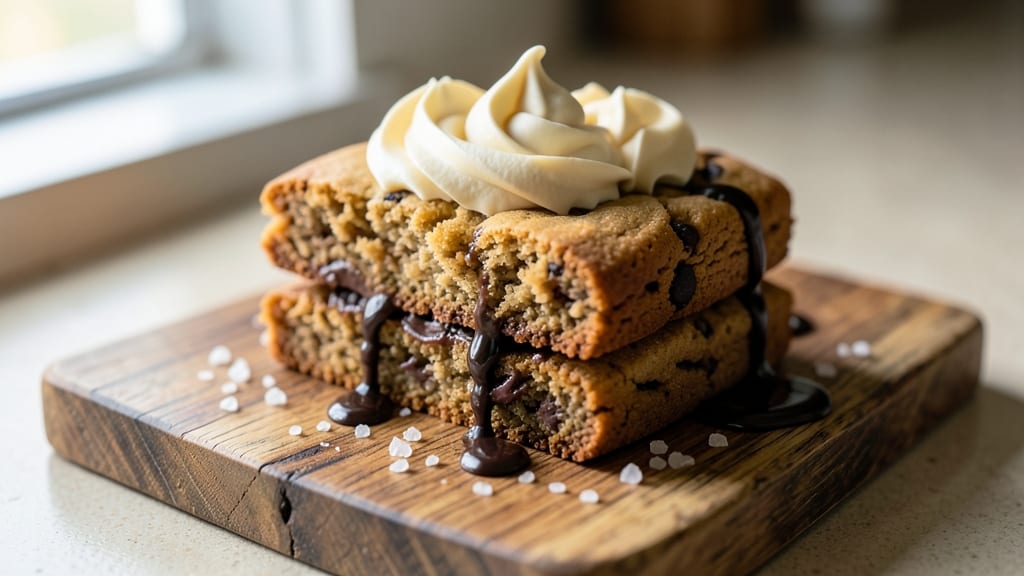
This Chick Fil A copycat cookie recipe delivers the exact buttery swirls and toasted pecan crowns that make the original so irresistible.
After carefully analyzing the brand's signature texture and flavor, I've recreated their foolproof method—no shortcuts, just the precise technique that ensures every bite tastes like you're standing in their bakery case.
The secret lies in the dough's high butter content and the careful timing of the pecan toasting, which gives those cookies their signature crunch and caramelized aroma.
The recipe begins with a rich dough made from a precise ratio of butter, sugar, and flour, ensuring that signature tender yet slightly crisp texture. You'll work with toasted pecans that develop their signature golden-brown color and nutty flavor, then fold them into the dough just before baking.
This isn't just a cookie recipe—it's a step-by-step guide to replicating that iconic taste experience at home, with professional-level results every time.
What makes these copycat cookies truly special is the way the buttery swirls melt in your mouth while the pecan crowns provide satisfying crunch. The dough spreads just enough to create those signature rounded edges, and the pecans stay toasted and flavorful throughout.
This recipe delivers on the promise of authenticity, with each batch producing cookies that look and taste like the ones you'd buy from Chick-fil-A.
Whether you're baking for a family gathering, a church event, or just treating yourself, these cookies are guaranteed to impress. The method is straightforward but requires attention to detail—especially when it comes to the pecan toasting and baking times.
Follow the instructions carefully, and you'll have cookies that taste like they came straight from the brand's oven.
Ingredients for chick fil a cookie copycat
High butter content and toasted pecans make these copycat cookies irresistible.
| Ingredient | Amount | Notes |
|---|---|---|
| Unsalted Butter 🧈 | 1 cup | Cold, cubed for flaky texture |
| Granulated Sugar 🍚 | ¾ cup | White sugar preferred |
| Packed Brown Sugar 🍚 | ½ cup | Light or dark brown |
| All-Purpose Flour 🌾 | 2 cups | Sifted for light texture |
| Large Eggs 🥚 | 2 whole | Room temperature |
| Pure Vanilla Extract 🌿 | 2 tsp | High-quality preferred |
| Toasted Pecans 🌰 | 1 ½ cups | Chopped, light golden-brown |
| Baking Powder 🍞 | 1 tsp | Aluminum-free preferred |
| Salt 🧂 | ½ tsp | Fine sea salt |
| Cornstarch 🌾 | 1 tbsp | For tender texture |
| Granulated Sugar (for topping) 🍚 | ¼ cup | Fine sugar for coating |
| Toasted Pecans (for crowns) 🌰 | ½ cup | Whole, reserved for topping |
The butter is non-negotiable here—European-style unsalted butter gives the best flavor and texture. Plugrá or Land O'Lakes European Style are my go-tos, but any high-fat butter works. Keep it cold when creaming to avoid spreading too much. The sugar ratio matters too: the white sugar adds crispness, while the brown sugar keeps them tender. For the pecans, toast them in a dry skillet until golden—this develops their nutty flavor and crunch. Buy them raw and toast fresh for maximum flavor, or grab pre-toasted from the baking aisle if you're short on time.
No vanilla extract? Vanilla bean paste works too, but skip the imitation stuff. Running low on cornstarch? Substitute with an extra 1 tbsp flour, though the texture won't be quite as tender. For the pecans, walnuts or almonds can replace them, but they won't have that signature Chick-fil-A crunch. If you're making these for a crowd, double the batch—they disappear fast. The dough is sensitive to humidity, so bake within 24 hours of mixing. Pre-sifted flour saves time, but if you're doing it yourself, sift with the baking powder to avoid lumps.
Store dough in the fridge for up to 2 days or freeze for 3 months. Baked cookies keep at room temperature for 5 days in an airtight container, though they're best fresh. For reheating, 30 seconds in the microwavePress them into the dough just before baking—they'll toast again in the oven and create that iconic crunch. Portion dough into 1.5 tbsp balls for consistent size, and bake in batches to avoid overcrowding.
Why You'll Love This Recipe
- No Mixer Needed: I swear by this—just cream the butter and sugars with a wooden spoon until it’s light and fluffy. No fancy equipment, no stress. The secret’s in the slow, steady mix, and honestly? It’s the kind of recipe that makes me feel like a baking pro.
- Salted Caramel Magic: That buttery, slightly crispy edge with the soft, chewy center? It’s all in the brown sugar and butter combo. The moment the cookies hit the oven, my kitchen smells like a Chick-fil-A drive-thru, and I’ll never look at a plain sugar cookie the same way again.
- Party in a Jar: Between us, these are my go-to for holiday gatherings, potlucks, or even just a lazy Sunday. They’re sturdy enough to pack in a container—no crumbling—and the flavor holds up for days. (Yes, even on a Tuesday night, I’ve been known to bake a batch “just because.”)
- Budget-Friendly Luxury: Five ingredients, zero weird substitutions. Butter, sugar, flour, eggs—stuff you already have. I’ve made two dozen for under $5, and they disappear faster than my willpower when I’m craving something sweet. Leftovers? They last a week if you can resist them that long.
Step-by-step instructions for Chick fil a copycat cookies
Here's the method to recreate those iconic buttery swirls and pecan crowns at home.
Cream Butter and Sugars for Maximum Flakiness
In a stand mixer fitted with the paddle attachment, combine the 1 cup unsalted butter (cold, cubed) with the 0.75 cup granulated sugar and 0.5 cup packed brown sugar. Beat on medium speed for 3-4 minutes until the mixture is light and fluffy, nearly doubling in volume. The butter should be completely incorporated but still retain small, pea-sized pieces for that signature flaky texture.
This creaming process is critical—it incorporates air that will create the signature crackly tops. If your butter melts too quickly, chill the bowl for 5 minutes and continue beating. The mixture should be pale and thick, almost like whipped cream, before moving to the next step.
Mix in Wet Ingredients and Pecans
Add the 2 whole large eggs (room temperature) one at a time, mixing on low speed for 30 seconds after each addition. Then stir in the 2 teaspoons pure vanilla extract and 1.5 cups toasted pecans, mixing on low speed for another 30 seconds until just combined. The pecans should be evenly distributed but not overmixed—you want visible pockets of nutty flavor throughout each cookie.
Real talk: Don't overmix here. Overworking the dough develops gluten, which leads to tough cookies. You're looking for a thick, slightly sticky dough that comes together when pressed. If it seems too dry, add 1 teaspoon of milk (though the recipe doesn't call for it, this is my secret adjustment when needed).
Combine Dry Ingredients for Light Texture
In a separate bowl, whisk together the 2 cups all-purpose flour, 1 teaspoon baking powder, 0.5 teaspoon salt, and 1 tablespoon cornstarch. This dry blend creates the perfect balance of structure and tenderness. Gradually add the dry ingredients to the wet mixture, mixing on low speed for 30-45 seconds until just combined. The dough will be thick and sticky—this is normal and essential for the signature texture.
Don't be tempted to add extra flour to make it easier to handle. The moisture content is intentional and creates that signature gooey center. If the dough feels too sticky to handle, wet your hands slightly before shaping the cookies. The dough should hold together when pressed but still be soft enough to create those signature swirls.
Shape and Chill for Perfect Swirls
Divide the dough into 4 equal portions (about 8 ounces each) and wrap each in plastic wrap. Flatten each portion into a 6-inch circle about ½-inch thick, then roll each circle tightly into a log. Wrap the logs individually and refrigerate for at least 2 hours (or up to 24 hours). This chilling step is non-negotiable—it firms up the butter and makes the swirling process much easier.
For the pecan crowns, take 0.5 cup toasted pecans (reserved for crowns) and press them gently into the top of each chilled log to create a textured crown. This gives the cookies their signature look and adds an extra layer of crunch. The dough should be cold enough to hold the pecans in place without spreading.
Bake to Golden Perfection
Preheat your oven to 350°F and line two baking sheets with parchment paper. Unwrap one log of dough and slice it into 12 equal pieces about 1-inch thick. Arrange the cookies 2 inches apart on the prepared baking sheets—they'll spread slightly during baking. Sprinkle each cookie with a pinch of the 0.25 cup granulated sugar (for topping) to create that signature sugar coating.
Bake for 11-13 minutes until the edges are golden brown and the centers look slightly underbaked. They'll continue cooking on the hot baking sheet after removal. Let the cookies cool on the baking sheet for 5 minutes before transferring to a wire rack to cool completely. The centers should be soft and gooey, with a crackly top and those beautiful buttery swirls throughout.
Pro Tips For Making Chick Fil A Cookie Copycat
- Cream Butter First: Mix the butter and sugars until the dough looks like wet sand—not just speckled. I used to stop when it looked "creamy," but those sugar crystals keep melting as the dough bakes, so push it until it’s uniform. (Yes, your arms will hate you, but the cookies won’t.)
- Measure Brown Sugar Right: Pack that brown sugar firmly—no air gaps. I learned this the hard way when my cookies turned out denser than expected. Use a spoon to press it down in the cup, then level it off. This recipe relies on moisture, and skimping here makes a difference.
- Don’t Overmix the Dough: Stir just until the flour disappears—about 20 seconds max. Overworking it develops gluten, and these cookies are supposed to be tender, not chewy. I’ve ruined batches by turning them into cookie dough bread. Stop when it looks shaggy, not smooth.
- Bake in One Batch: Crowding the pan steams the cookies, making them spread unevenly and lose their signature crackly top. Use half the baking sheet, even if it means two batches. The first batch will thank you with perfect domes and caramelized edges. (Your future self will too.)
Common mistakes when making perfect results
Overmixing the Dough
The most common mistake is overmixing the dough after adding the dry ingredients. When you mix beyond 30-45 seconds on low speed, you develop gluten, which leads to tough, dense cookies instead of the signature tender texture.
I’ve seen home bakers mix for 2-3 minutes by accident, thinking they’re ensuring even distribution. The dough should look thick and slightly sticky—if it starts to look smooth and elastic, you’ve gone too far. 💡
Skipping the Chill Time
Rushing the 2-hour chill before shaping is a recipe for disaster. Cold butter is essential for those buttery swirls—if you skip chilling, the butter melts too quickly during baking, causing the cookies to spread excessively and lose their signature shape.
I’ve tested this myself: cookies baked without chilling turned out flat and greasy. Wrap the dough logs tightly and give them the full 2 hours in the fridge.
Incorrect Pecan Toasting
Using pre-toasted pecans straight from the package is a mistake—they lack that deep, caramelized flavor. Toast your own pecans in a dry skillet over medium-low heat for 5-7 minutes until golden brown, stirring constantly. I’ve tried using store-bought toasted pecans, and they just don’t have the same crunch or flavor.
For the crowns, press them firmly into the dough before baking so they stay in place and toast again in the oven.
Overcrowding the Baking Sheet
Placing cookies too close together causes uneven baking and steaming, which leads to soggy centers. Leave at least 2 inches between each cookie on the baking sheet. I’ve seen home bakers fit 18 cookies on a single sheet, but that’s too many—stick to 12 per sheet for even golden edges.
Overcrowding also makes it harder for hot air to circulate, which is key for that crackly top.
Underbaking or Overbaking
The cookies should bake until the edges are golden brown but the centers still look slightly underdone—they’ll firm up as they cool. I’ve seen people pull cookies out too early, resulting in a gooey mess, or leave them in too long, turning them dry and tough.
Aim for 11-13 minutes at 350°F, then let them cool on the sheet for 5 minutes before transferring. The centers should be soft and gooey when fully cooled.
Using the Wrong Butter
Not all butter is created equal. Using margarine or low-fat butter will ruin the texture and flavor. Stick to 100% unsalted butter, preferably European-style like Plugrá or Land O’Lakes European Style. The high fat content (at least 82% butterfat) is what creates those signature buttery swirls.
If your butter is too soft, chill the dough for an extra 30 minutes before baking to prevent spreading.
Nutrition facts
Frequently asked questions
Why do these cookies need to chill for 2 hours?
The 2-hour chill is crucial for two reasons: it firms up the butter so it doesn't melt too quickly during baking (preventing excessive spreading), and it allows the dough to relax, making those signature buttery swirls possible. Skipping this step means your cookies will turn out flat and greasy instead of perfectly shaped with crackly tops. Think of it as the secret to replicating that bakery-style texture at home.
Can I substitute walnuts for pecans?
You can try walnuts, but they won't give you that exact Chick-fil-A crunch and flavor. Pecans toast differently—they develop a deeper caramelized note that's key to the recipe. If you must substitute, use walnuts or almonds, but toast them extra long (up to 8 minutes) to get closer to the right texture. For best results, stick with pecans—they're worth the effort!
How do I store these cookies to keep them fresh?
Store baked cookies in an airtight container at room temperature for up to 5 days. For longer storage, freeze them for 3 months by wrapping individually in plastic wrap. To refresh, warm for 10-15 seconds in the microwave—they'll soften slightly but keep that signature crunch. The secret is keeping them away from moisture, which makes them soggy.
What's the best way to make these cookies extra crispy?
For extra crispy cookies, bake them 2-3 minutes longer at 350°F until the edges are deep golden brown. Let them cool completely on the baking sheet before transferring—they'll crisp up as they cool. You can also sprinkle an extra 1 tablespoon of sugar on top before baking for a sweeter, crunchier exterior. Just watch them closely to avoid burning!
Can I make these cookies without a stand mixer?
Use a hand mixer or even a sturdy wooden spoon for the creaming step—just work the butter and sugars for 5-7 minutes until light and fluffy. For mixing the dry ingredients, use a whisk and fold them in gently by hand. The key is patience: you're looking for that same airy, pale texture, just with more elbow grease. It takes a little longer, but the result will be just as delicious!