
Desserts
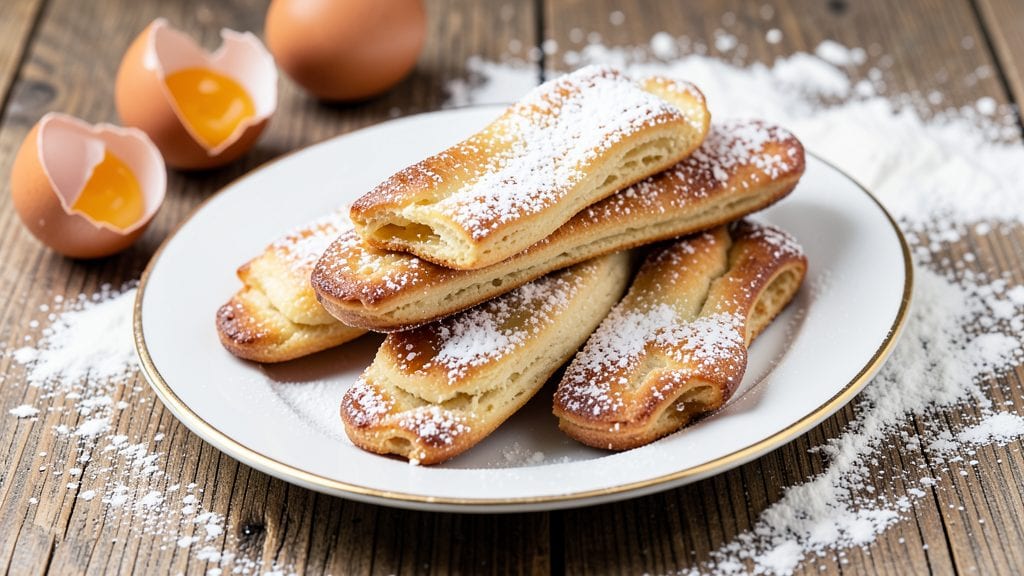
French cat tongue cookies deliver the delicate crunch and buttery richness that make them a classic French treat—light as air with just enough vanilla to make every bite irresistible. 💛 I first fell in love with these cookies in a Parisian pâtisserie, where they were served with tea, and I've been perfecting my version ever since.
The secret lies in chilled dough rolled thinly and baked until just golden, creating those signature crisp edges and tender centers.
What makes these cookies truly special is their simplicity—just butter, sugar, eggs, and vanilla—but the technique transforms ordinary ingredients into something extraordinary. Unlike many French pastries, there's no fuss with complicated layers or fillings; it's all about precision in rolling and baking.
The result is a cookie that's crisp enough to stand up to tea yet tender enough to melt in your mouth.
By the time you pull them from the oven, you'll have a tray of golden, vanilla-kissed cookies with edges that crackle at the slightest touch. They're perfect for afternoon tea, gifting, or simply enjoying with a cup of coffee.
The dough can be prepared ahead, making this a foolproof recipe for any occasion.
These cookies pair beautifully with a variety of teas or even a glass of cold milk. The aroma alone will fill your kitchen with warmth, and the first bite is always worth the effort. Let's get baking!
Ingredients for cat tongue cookies french
Butter, sugar, vanilla, and flour—simple ingredients transformed into delicate French cookies.
| Ingredient | Amount | Notes |
|---|---|---|
| Unsalted Butter 🧈 | 1 cup | Cold, cubed for rolling |
| Granulated Sugar 🍚 | ¾ cup | Superfine preferred for smoothness |
| Pure Vanilla Extract 💧 | 1 tbsp | High-quality Madagascar preferred |
| Large Eggs 🥚 | 2 whole | Room temperature for blending |
| All-Purpose Flour 🌾 | 2 ½ cups | Sifted for light texture |
| Powdered Sugar 🍚 | ½ cup | For dusting finished cookies |
| Kosher Salt 🧂 | ¼ tsp | Fine grain preferred |
| Vanilla Bean Seeds 💧 | 1 tsp | Optional, for extra flavor |
The butter is non-negotiable here. European-style unsalted butter like Plugrá or President from specialty stores gives that signature French richness. If you're using regular butter, make sure it's 100% fat content—none of that 80% stuff. Keep it cold when mixing, but let it sit at room temperature for about 30 minutes before starting. The vanilla extract should be pure Madagascar bourbon—the cheaper stuff tastes like perfume. I always buy mine from Penzeys or Williams Sonoma because it's worth the extra few bucks for that real vanilla flavor. And if you're feeling fancy, scrape those vanilla bean seeds into the dough for an extra layer of flavor.
No vanilla extract? Vanilla sugar works in a pinch—just use 1 tablespoon and reduce the granulated sugar by 1 tablespoon. Superfine sugar hard to find? Pulse regular granulated sugar in a food processor for 30 seconds. The eggs can be separated if you want to make them even lighter, but I find whole eggs give enough structure. For the flour, King Arthur or Gold Medal brands are my go-tos—they're reliable and give consistent results. If you're at high altitude, add an extra tablespoon of flour to prevent spreading. And trust me on the chilling step—don't skip it. The dough needs to be cold to roll thinly and hold its shape.
These cookies keep for about 5 days in an airtight container at room temperature, but honestly, they're best enjoyed fresh. If you're making ahead, prepare the dough up to 24 hours in advance and refrigerate it. The powdered sugar dusting is optional but adds that professional touch. Store extra cookies in layers separated by parchment paper to maintain that crisp texture. They freeze beautifully too—just wrap individually in plastic wrap and freeze for up to 3 months. Reheat in the oven at 300°F for 3-5 minutes to restore that perfect crunch.
Why You'll Love This Recipe
- No Fuss, Same Magic: I swear, these cookies require zero tricks—just creamed butter, sugar, and a splash of vanilla, then folded into flour like you’re making a hug for your taste buds. No rolling, no shaping, no waiting for dough to chill. Honestly, I’ve made them with one hand while scrolling through my phone.
- Butter-Sugar Bliss: That perfect balance of rich, cold butter and crisp sugar? It’s like biting into a cloud that somehow tastes like a French patisserie. The vanilla ties it all together—warm, sweet, and just enough to make you want to lick the bowl. (Yes, even on a Tuesday night.)
- Party in a Jar: Store them in an airtight container for weeks, and they’ll still taste fresh—great for last-minute gifts or when you forget to bake ahead. Between us, I’ve packed these in lunchboxes for kids, stashed them in my purse for coffee dates, and even slipped a batch into my coworker’s desk during a slump.
- Budget-Busting Luxury: Five ingredients, all pantry staples, and the result? Cookies that taste like they cost a fortune. No fancy extracts, no specialty flours—just good old butter, sugar, and a little patience. I’ll be real: my grocery bill didn’t flinch, but my taste buds did.
Step-by-step instructions for delicate French butter cookies
Here's how to craft these elegant French cookies with their signature vanilla crunch and buttery layers.
👨🍳 Step 1: Cream Cold Butter and Sugar for Light Texture
In a stand mixer fitted with the paddle attachment, combine the 1 cup cold, cubed unsalted butter and 0.75 cup granulated sugar. Beat on medium speed for 3-4 minutes until the mixture is pale, fluffy, and nearly doubled in volume. The butter should be completely incorporated but still retain small, pea-sized pieces—this creates those beautiful, delicate layers.
I like to scrape down the sides of the bowl every 30 seconds to ensure even mixing. Here's the thing—using cold butter prevents the cookies from spreading too much in the oven. If you accidentally use softened butter, don't panic—just chill the dough for an extra 15 minutes before proceeding.
👨🍳 Step 2: Add Eggs and Vanilla for Rich Flavor
Add the 2 whole room-temperature large eggs, one at a time, mixing on low speed after each addition until fully incorporated. Then add the 1 tbsp pure vanilla extract and 1 tsp vanilla bean seeds, mixing just until combined. The vanilla bean seeds add that authentic French touch—if you're feeling fancy, scrape them directly from a split vanilla bean.
This is where the magic happens: the eggs bind everything together while the vanilla infuses deep flavor. Don't overmix—just until the ingredients come together. I always give the bowl a quick scrape down again to make sure no dry bits remain on the sides.
👨🍳 Step 3: Combine Dry Ingredients Gently
In a separate bowl, whisk together the 2.5 cups all-purpose flour, 0.25 tsp kosher salt, and 0.5 cup powdered sugar. With the mixer on low speed, gradually add the dry ingredients to the wet mixture, mixing just until combined. You'll see small flour streaks remaining—this is perfect. Overmixing develops gluten and makes the cookies tough instead of tender.
Real talk: I've found that sifting the flour first gives even lighter cookies, but if you don't have a sifter, just whisk it well in the bowl. The powdered sugar helps create that signature crunchy texture while keeping the cookies delicate. Once fully combined, let the dough rest at room temperature for 15 minutes—this relaxes the flour proteins for better texture.
⏰ Step 4: Chill and Shape for Perfect Layers
Divide the dough into 4 equal portions (about 8 ounces each) and flatten each into a 3-inch round disc. Wrap each disc tightly in plastic wrap and refrigerate for at least 1 hour or up to 24 hours. Chilling firms up the butter, which prevents excessive spreading when baking and ensures those beautiful, thin layers.
Here's a pro tip: if your kitchen is warm, give the dough an extra 30 minutes in the fridge. The longer you chill, the more pronounced those delicate, crisp layers become. Don't skip this step—it makes all the difference in the final texture.
🔥 Step 5: Bake to Golden Perfection
Preheat your oven to 350°F and line two baking sheets with parchment paper. On a lightly floured surface, roll out each chilled dough disc to ⅛-inch thickness. Use a 2.5-inch round cutter to cut out cookies, then gather and reroll the scraps for more cookies. Place cookies 1 inch apart on the prepared baking sheets.
Bake for 12-14 minutes until the edges are just beginning to turn golden—they'll continue cooking on the hot pan. You want them to look delicate, not dark. Remove from the oven and let cool on the baking sheet for 5 minutes before transferring to a wire rack. The cookies will firm up as they cool, developing that beautiful crunchy texture.
While still warm, dust the top of each cookie with a pinch of powdered sugar using a fine-mesh sieve. This final touch gives them that signature French elegance. Store in an airtight container for up to 5 days, but they won't last that long—they're too delicious!
Pro Tips For Making Cat Tongue Cookies French
- Cream Butter and Sugar Slowly: I used to rush this step, and my cookies always ended up dense. Instead, beat the unsalted butter and sugar on medium-high until light and fluffy—about 3-4 minutes. The air incorporated here is what gives those classic French cookies their tender crumb.
- Chill the Dough Overnight: Skip the 30-minute fridge rest—it’s not enough. Wrap the dough tightly and let it sit in the fridge for 12-24 hours. This relaxes the gluten, prevents spreading, and makes the cookies hold their shape when baked. (Yes, even if you’re impatient like me.)
- Use Room-Temp Eggs: Cold eggs? No thanks. Whisk them at room temperature first—they blend smoother into the butter-sugar mix and won’t cause the dough to seize up. I learned this the hard way after pulling out lumpy dough that refused to come together.
- Bake in Two Batches: Overcrowding the tray is the fastest way to flat, sad cookies. Use half the dough per sheet, space them 2 inches apart, and resist the urge to add more. The first batch will bake evenly, and you’ll get that signature crack on top without fighting for space.
Wine and beer pairings for this cat tongue cookies french
Elegant Tea Pairings
These delicate cookies pair beautifully with Earl Grey tea—the bergamot's citrus notes complement the vanilla and butter perfectly. I love sipping Lapsang Souchong, a smoky Chinese black tea, which adds an unexpected depth that contrasts the cookies' sweetness.
For something lighter, jasmine green tea with its floral aroma creates a harmonious balance. 🍵
French Wine Harmony
A crisp Sancerre from the Loire Valley is my go-to white wine pairing—its mineral notes and citrus brightness cut through the butter while enhancing the vanilla. For red wine lovers, a light Pinot Noir from Burgundy works surprisingly well, especially if it's young and fruity.
Avoid heavy, oaked wines that would overpower these delicate cookies.
Creamy Coffee Companions
If you prefer coffee, a light roast French press with notes of caramel and hazelnut mirrors the cookies' vanilla and buttery profile. For a special treat, try a vanilla latte—the double vanilla infusion creates a perfect flavor echo.
I often make mine with local Portland roasts from Stumptown for that perfect Pacific Northwest touch.
Unexpected Beer Matches
Don't overlook wheat beers—a crisp Belgian witbier like Hoegaarden with its coriander and orange peel notes provides surprising contrast. For something richer, a honey blonde ale with subtle vanilla undertones enhances the cookies' flavor.
I've even enjoyed them with a dry cider for a refreshing, non-alcoholic option that still complements the delicate texture. 🍺
Seasonal Variations
In winter, I pair these cookies with spiced chai tea—the cinnamon and cardamom add warmth that complements the vanilla. During summer, a citrus-infused iced tea with lemon or peach slices provides refreshing contrast.
The key is balancing the cookies' richness with something bright and aromatic that cleanses the palate between bites.
Nutrition facts
Frequently asked questions about French butter cookies
Why do these cookies need to chill before baking?
Chilling the dough for at least 1 hour is crucial because it firms up the butter, preventing excessive spreading in the oven. This creates those signature delicate layers and crisp edges. The longer you chill (up to 24 hours), the more pronounced the texture becomes—don't skip this step!
Can I substitute regular butter for European-style butter?
Yes, but use 100% fat content unsalted butter—never the 80% version. For extra authenticity, look for brands like Plugrá or President from specialty stores. If you're in a pinch, regular butter works, but the cookies won't have that same rich, French flavor profile.
What's the secret to getting those crisp edges?
The crisp edges come from rolling the dough ⅛-inch thick and baking at 350°F for 12-14 minutes until just golden. Let them cool on the baking sheet for 5 minutes before transferring—the residual heat helps set that perfect texture. Overbaking turns them tough, so watch closely!
How do I store these cookies to keep them crisp?
Store in an airtight container with parchment paper between layers to prevent sogginess. They stay fresh for 5 days at room temperature. For longer storage, freeze individually wrapped cookies for up to 3 months. To revive crispness, reheat at 300°F for 3-5 minutes before serving.
Can I make these cookies gluten-free?
Traditional French butter cookies rely on gluten for structure, but you can try a 1:1 gluten-free flour blend like Bob's Red Mill. Expect slightly denser cookies—they won't be as crisp. For best results, use xanthan gum (¼ tsp) in the blend to mimic gluten's binding properties. Test with small batches first!