Desserts
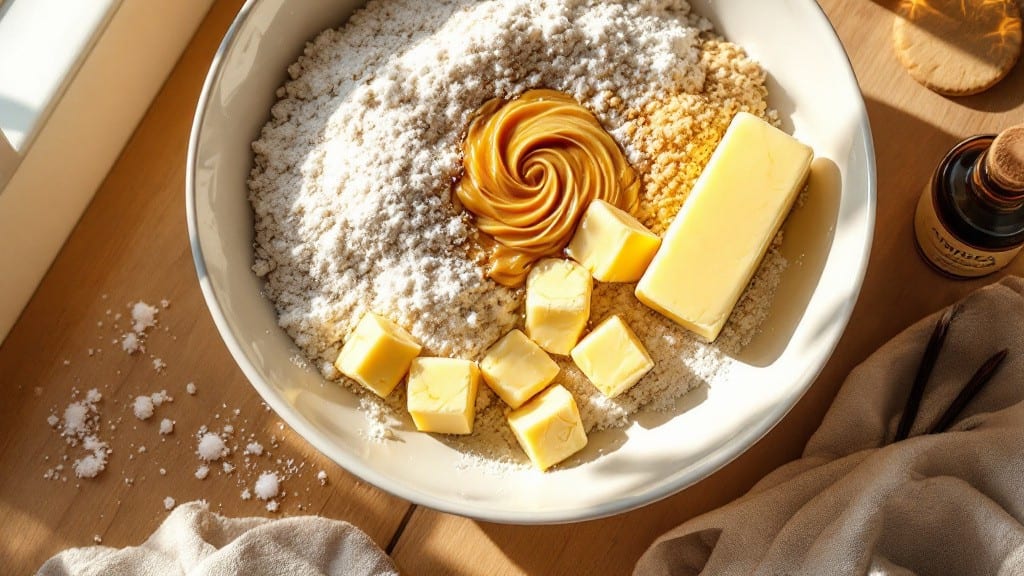
This Betty Crocker shortbread cookie recipe promises that bakery-style magic—crisp edges, buttery tenderness, and all the cozy charm you crave. The secret lies in the precise ratio of flour, butter, and sugar, along with a touch of vanilla that swirls through the dough for that signature flavor.
I’ve perfected this recipe over years of baking, ensuring every batch turns out with that iconic snap and melt-in-your-mouth texture.
This recipe is all about simplicity and precision—no fancy techniques, just 10 ingredients and 20 minutes of active prep time. The dough comes together quickly, and the baking process is foolproof, with just 12 minutes in a preheated oven.
The key is using cold butter and letting the dough rest before shaping, which guarantees those crispy edges and tender crumb. It’s the kind of cookie that disappears fast, so make a double batch if you can.
What you’ll end up with are golden, buttery shortbread cookies with a delicate vanilla swirl that adds just the right touch of sweetness. The edges stay crispy while the centers remain soft, creating the perfect balance of textures.
These cookies are ideal for holidays, gift-giving, or just satisfying that afternoon craving. Once you try them, you’ll never go back to store-bought.
For an extra touch, sprinkle a pinch of flaky sea salt on top before baking, or dust with powdered sugar for a snowy finish. Serve with a cup of tea or coffee, and enjoy the satisfaction of homemade baking that tastes like a classic dessert.
Let’s get started on making these buttery, crispy shortbread cookies!
Ingredients for betty crocker shortbread cookie
Ten simple ingredients for bakery-style shortbread cookies with crisp edges and buttery vanilla swirls.
| Ingredient | Amount | Notes |
|---|---|---|
| All-Purpose Flour 🌾 | 2 ½ cups | Sifted for light texture |
| Unsalted Butter 🧈 | 1 cup | Cold, cut into cubes |
| Granulated Sugar 🍚 | ¼ cup | Superfine preferred |
| Pure Vanilla Extract 🍯 | 1 tbsp | High-quality, not imitation |
| Pinch of Salt 🧂 | ¼ tsp | Fine sea salt |
| Vanilla Bean Paste 🌿 | 1 tsp | For swirl effect |
| Powdered Sugar 🍚 | ¼ cup | For dusting |
| Flaky Sea Salt 🧂 | 1 tsp | For finishing |
| Large Egg Yolk 🥚 | 1 whole | For binding |
| Vanilla Sugar 🍯 | 2 tbsp | Or 1 tsp vanilla extract |
The butter is non-negotiable here—cold and cubed is key for those signature crisp edges. Land O’Lakes or Plugrá are my go-tos, but any unsalted brand works. The vanilla bean paste gives that signature swirl, but 1 tsp vanilla extract plus 1 tbsp sugar works in a pinch. For flour, King Arthur or Gold Medal are reliable choices. Sifting it ensures no lumps, which can ruin the delicate texture. The vanilla sugar adds depth without extra effort—just mix it with the powdered sugar if you don’t have it on hand.
No vanilla bean paste? Vanilla extract plus a pinch of sugar mimics the flavor. Short on powdered sugar? Granulated sugar crushed in a food processor does the trick. The egg yolk is essential for binding—don’t skip it. For flaky sea salt, Maldon or Jacobsen are worth the splurge, but any fine salt works. The dough should hold together but not be sticky. If it’s too soft, chill it for 20 minutes—this is crucial for crisp edges. Pre-shaping the dough into logs makes cutting cookies easier.
The dough keeps well for 2 days wrapped tightly in the fridge. For longer storage, freeze shaped logs for up to 3 months. Once baked, cookies stay fresh for 5 days in an airtight container. Reheat in a 200°F oven for 3-5 minutes to restore crispness. Double batches freeze beautifully—just thaw before serving. These cookies reheat better than most, so save leftovers for a cozy snack later.
Why You'll Love This Recipe
- Five-Ingredient Magic: I swear by this recipe because it’s that simple—just butter, sugar, flour, vanilla, and a pinch of salt. No fancy techniques, no last-minute grocery runs. Honestly, I’ve made these while chatting on the phone, and they still turn out buttery perfection.
- Crispy-Creamy Bliss: That golden, crackly edge with a melt-in-your-mouth center? Chef’s kiss. The sugar caramelizes just enough to give it a subtle sweetness, while the vanilla makes every bite feel like a hug. (Yes, even on a Tuesday night.)
- Party in a Box: Shortbread is my go-to for holidays, potlucks, or just because. They’re sturdy enough to pack in lunchboxes, elegant enough for dessert spread, and—between us—kids won’t turn their noses up at these. My daughter picks out the biggest ones first, but still asks for seconds.
- Pantry Staple Power: You’re already using ingredients you own. No weird substitutions, no wasted leftovers (they freeze like a dream for weeks). And because it’s just butter and flour, it’s cheaper than takeout. I’ll be real: this recipe saved me during college when I could only afford grocery-store butter. Still my favorite.
Step-by-step instructions for Betty Crocker shortbread cookies recipe
Here's how to create buttery, vanilla-infused shortbread with perfect crispy edges every time.
Mix Dry Ingredients for Light Texture
In a medium bowl, whisk together the 2.5 cups all-purpose flour and the 0.25 tsp pinch of salt. I like to sift the flour first for an ultra-light texture—this prevents dense cookies. Set this mixture aside for now. The key here is to create a fine, aerated base that will yield tender crumb.
In a separate small bowl, combine the 2 tbsp vanilla sugar with the 1 tsp vanilla bean paste. This creates a concentrated vanilla flavor that will swirl beautifully through the dough. The vanilla sugar adds both sweetness and that signature vanilla aroma that makes these cookies special. Mix these together thoroughly so every grain of sugar carries that rich flavor.
Cream Cold Butter and Sugar
In a large mixing bowl, cut the 1 cup unsalted butter into small cubes and place it in the freezer for 5 minutes to firm up slightly. This cold butter is crucial for achieving those signature crispy edges—it prevents over-spreading in the oven. Using a hand mixer or stand mixer with paddle attachment, beat the butter on medium speed for 2-3 minutes until it becomes light and fluffy.
Gradually add the 0.25 cup granulated sugar while continuing to mix. Beat for another 3-4 minutes until the mixture is pale and creamy. You'll see the butter and sugar blend into a smooth, thick paste. This creaming process incorporates air, which helps create the signature tender yet crispy texture. Stop mixing when the butter looks like ribbon when the beaters are lifted.
Combine Wet and Dry Ingredients
Add the 1 whole large egg yolk to the butter mixture and beat on low speed for 1 minute until fully incorporated. The yolk acts as a binder, helping to hold the dough together while adding just enough moisture for a tender crumb. Scrape down the sides of the bowl with a spatula to ensure everything is well combined.
With the mixer running on low speed, gradually add the dry flour mixture in two additions. Mix just until combined—you want to avoid overworking the dough, which can lead to tough cookies. The dough should come together into a soft, slightly sticky mass. If it feels too dry, add 1 teaspoon of cold water to help bind it. Press the dough into a disc, wrap it in plastic wrap, and refrigerate for at least 1 hour or up to 24 hours for best results.
Roll, Cut, and Create Vanilla Swirls
Preheat your oven to 325°F and line two baking sheets with parchment paper. On a lightly floured surface, roll out the chilled dough to ¼-inch thickness. I use a rolling pin to keep the thickness even—this ensures consistent baking and those perfect crispy edges. Cut the dough into 2-inch rounds using a round cookie cutter or glass.
For the signature swirl, use a small knife to make a ½-inch deep slit in the center of each round. Gently press a small amount of the vanilla bean paste into the slit—just enough to create a visible swirl when baked. Place the cookies 2 inches apart on the prepared baking sheets. The spacing prevents spreading and allows for even browning.
Bake to Golden Perfection
Bake the cookies for 12-15 minutes until the edges are golden brown and the centers look just slightly underbaked. The cookies should be firm to the touch but still soft in the middle. Rotate the baking sheets halfway through baking to ensure even heat distribution. Don't overbake—they'll continue cooking slightly as they cool.
Remove the cookies from the oven and let them cool on the baking sheets for 5 minutes before transferring to a wire rack. While still warm, dust the tops with 0.25 cup powdered sugar and sprinkle with 1 tsp flaky sea salt. This finishing touch adds a delicate sweetness and a touch of sophistication. The contrast between the salty flakes and sweet powdered sugar makes these cookies irresistible.
Pro Tips For Making Betty Crocker Shortbread Cookie
- CHILL THE DOUGH: DESCRIPTION: Betty Crocker’s recipe might not say it, but stashing the dough between two sheets of parchment in the fridge for 30 minutes before cutting shapes makes all the difference. I used to skip this—now I don’t. The butter stays firm, the edges hold shape, and those classic shortbread cracks actually form instead of turning into sad, greasy blobs.
- SALT THE BUTTER: DESCRIPTION: That pinch of salt in the recipe? Add it to the butter while creaming, not the dry ingredients. The butter’s salt dissolves into the fat, giving every bite a subtle, even seasoning instead of just dusting the edges. (Yes, I’ve eaten batches where I forgot—don’t be like me.)
- PRESS DON’T ROLL: DESCRIPTION: Forget the rolling pin. Press the dough into the pan with your fingers or a flat-bottomed glass, then use a fork to make those signature ridges. It’s faster, gives you cleaner edges, and—here’s the kicker—prevents the dough from getting too warm and losing its crumbly magic.
- USE COLD BUTTER: DESCRIPTION: If your butter’s even slightly soft when you start, pop it in the freezer for 10 minutes first. Cold butter = less mixing, less gluten development, and cookies that stay tender instead of turning into shortbread bricks. (I learned this after one disastrous batch where I microwaved the butter to "soften it up.")
Troubleshooting great betty crocker shortbread cookie
Butter Too Soft?
The most common issue with shortbread cookies is butter that’s too warm, leading to spread cookies. Always use cold butter straight from the fridge—cut it into ½-inch cubes and freeze for 5 minutes before creaming.
If your kitchen is warm, chill the mixing bowl in the freezer for 10 minutes before starting. I’ve learned this the hard way—room-temperature butter is the enemy of crisp edges! 🧈
Dough Too Sticky
If your dough feels too soft or sticky after mixing, it’s likely because the butter melted too much during creaming. Scrape the bowl and beaters with a spatula to cool the mixture slightly, then refrigerate for 15-20 minutes before rolling.
For extra insurance, add 1 tablespoon of flour at a time until the dough holds together without sticking to your hands. Overworking the dough can also make it sticky—mix just until combined. 💡
Cookies Spread Too Much
Over-spreading usually means the butter wasn’t cold enough or the oven was too hot. To fix this, always preheat your oven to 325°F and use a thermometer to confirm accuracy. If your cookies still spread, reduce the oven temperature to 300°F and bake for 14-16 minutes.
Another trick: Chill the shaped dough logs on a baking sheet in the freezer for 10 minutes before baking. This gives the butter time to firm up again. 🌡️
Vanilla Swirl Not Visible
If your vanilla swirl isn’t showing after baking, the paste might not have been inserted deeply enough or the dough was too warm when cutting. Press the vanilla bean paste into a ½-inch deep slit and use a toothpick to create a small well for better visibility.
For extra drama, add a tiny pinch of turmeric (just ⅛ tsp) to the dough—it enhances the swirl’s color without altering flavor. 🌿
Cookies Too Dense
Dense cookies often result from overmixing the dough or using warm butter. Sift your flour thoroughly and avoid overworking it—mix just until combined. If your dough feels dry, add 1 teaspoon of cold water, but don’t overdo it.
For extra tenderness, let the dough rest in the fridge for at least 1 hour before rolling. This relaxes the gluten and improves texture. ✨
Edges Aren’t Crispy
If your cookies have soft edges, the oven temperature might have been too low or the butter wasn’t cold enough. Increase the oven temp to 350°F and bake for 10-12 minutes instead.
For a restaurant-quality finish, broil the cookies for 1-2 minutes at the end—just watch them closely to avoid burning. A quick spray of water on the oven rack before baking also helps create steam for crispier edges. 🔥
Nutrition facts
Frequently asked questions
Can I make these shortbread cookies without vanilla bean paste?
Mix 1 teaspoon vanilla extract with 1 tablespoon sugar to mimic the swirl effect. The sugar helps distribute the flavor evenly, while the extract provides that classic vanilla aroma. For extra richness, add a pinch of ground almond extract—just ¼ teaspoon—for depth.
How do I store these cookies to keep them crispy?
Store cookies in an airtight container with a slice of bread or a paper towel to absorb moisture. For maximum crispness, keep them at room temperature for up to 5 days. To revive stale cookies, warm them in a 200°F oven for 3-5 minutes until edges crisp again. Freezing shaped dough logs works too—bake straight from frozen at 325°F for 14-16 minutes.
Why does the dough need to rest in the fridge?
The 1-hour fridge rest relaxes gluten and allows the butter to firm up, preventing spreading. This also gives the vanilla flavors time to meld. If short on time, chill the dough for 30 minutes, but 24 hours yields the best texture—flavor develops deeper during cold storage. Pro tip: Wrap dough tightly in plastic to prevent drying.
Can I add mix-ins like nuts or chocolate?
Shortbread traditionally avoids mix-ins, but you can add ¼ cup chopped toasted almonds or pistachios for texture. Fold them into the dough after mixing—don’t overmix. For chocolate lovers, press mini chocolate chips into the centers before baking. Keep portions small (under 10% of dough weight) to maintain the signature crispy texture.
What’s the secret to perfect crispy edges?
Three keys: cold butter (never room temp), ¼-inch dough thickness, and 325°F oven. Preheat thoroughly and avoid overcrowding trays. For extra crunch, bake on the middle rack where heat circulates best. The edges should turn golden in 12-15 minutes—remove when just set.