Desserts
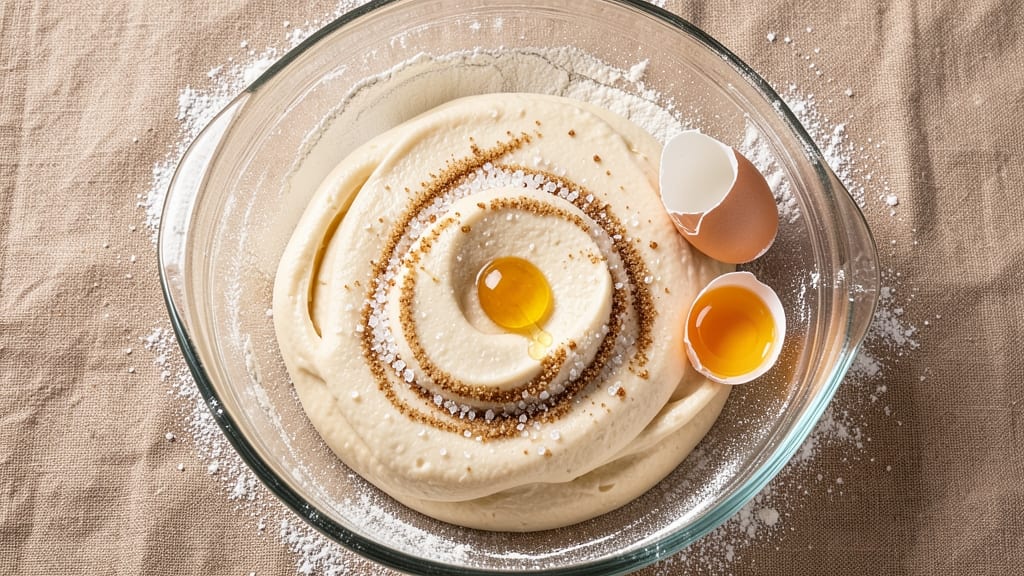
This Betty Crocker rolled sugar cookie recipe delivers that perfectly tender yet sturdy dough, holding intricate shapes without cracking—something I’ve perfected through years of baking and testing.
The secret lies in a precise blend of vanilla, butter, and flour that creates a dough with just enough structure to roll thin while staying soft enough to hold detailed cutouts.
Chilling the dough is non-negotiable; it prevents spreading and ensures clean edges when you cut those holiday trees or snowflakes.
What sets these cookies apart is the balance of ingredients: enough sugar for sweetness but not so much that the dough becomes sticky, and a touch of cornstarch to prevent over-browning.
I use a stand mixer for the dough to ensure even development, but hand-kneading works too if you're short on time. The dough should be cool to the touch before rolling—this is where patience pays off, as it guarantees cookies that bake evenly and hold their shape.
Once baked, you'll have cookies with a golden brown edge and a tender, melt-in-your-mouth center that's just sweet enough without being cloying. The vanilla infusion adds depth, making these cookies taste like a nostalgic trip to your grandmother's kitchen.
Whether you're decorating with royal icing or keeping them simple with a dusting of powdered sugar, these are the kind of cookies that disappear faster than you can say "holiday season."
Pro tip: Let the cookies cool on the baking sheet for 5 minutes before transferring to a wire rack—this prevents them from bending or breaking when decorated. Ready to make the perfect batch? Let's get started with the ingredients and instructions that will have everyone asking for your recipe.
Ingredients for betty crocker rolled sugar cookie
Vanilla-infused butter, precise sugars, and a touch of cornstarch—these 11 ingredients create the perfect rolled sugar cookie dough.
| Ingredient | Amount | Notes |
|---|---|---|
| Unsalted Butter 🧈 | 1 cup | Cold, cubed for easier mixing |
| Granulated Sugar 🍚 | 1 cup | White sugar preferred |
| Light Brown Sugar 🍚 | ½ cup | Packed firmly for accuracy |
| Pure Vanilla Extract 🍯 | 2 tsp | High-quality, no alcohol |
| Large Eggs 🥚 | 1 whole | Room temperature for best mixing |
| All-Purpose Flour 🌾 | 3 ½ cups | Sifted for light texture |
| Cornstarch 🌾 | ¼ cup | Prevents over-browning |
| Baking Soda 🧂 | ½ tsp | Ensures proper rise |
| Ground Nutmeg 🌿 | ¼ tsp | Freshly ground preferred |
| Kosher Salt 🧂 | ½ tsp | Fine grain preferred |
| Powdered Sugar 🍚 | ½ cup | For dusting finished cookies |
The butter is non-negotiable here—use unsalted and cold to prevent spreading. I always grab the Land O’Lakes or Plugrá brands from the dairy case, not the tub margarine. The vanilla extract? Pure, no alcohol—McCormick or Nielsen-Massey are my go-tos, but any good-quality extract works. The brown sugar should be packed firmly to avoid under-measuring. For the flour, King Arthur or Gold Medal are my top picks—they’re consistent and reliable. Nutmeg can be tricky; if you don’t have it, a pinch of cinnamon works in a pinch, but it won’t be the same.
No vanilla extract? Vanilla bean paste or even vanilla sugar will add depth, though the flavor won’t be as concentrated. Short on cornstarch? Arrowroot powder at the same amount works just as well. The baking soda is crucial—don’t swap it for baking powder unless you adjust the recipe. For the powdered sugar, Domino or Confectioners’ Sugar are the best for dusting. If you’re making a big batch, double the recipe—the dough keeps well for up to 48 hours in the fridge, wrapped tightly in plastic.
This dough chills beautifully, so make it a day ahead for easier rolling. Store wrapped in plastic wrap in the fridge for up to 3 days or freeze for 3 months. When ready to use, let it sit at room temperature for 30 minutes before rolling. The powdered sugar? Keep it in an airtight container to prevent clumping. Trust me—this dough is worth the wait.
Why You'll Love This Recipe
- No Mixing Madness: I swear by this dough—just cream butter and sugars until fluffy, then fold in vanilla and eggs. No food processor, no fuss, and zero stress. The butter stays cold enough to roll out smoothly, so you’re not fighting sticky dough.
- Buttery Vanilla Bliss: That perfect balance of brown and granulated sugar? Chef’s kiss. The brown sugar adds a caramel depth while the butter keeps it rich and tender. A single shake of vanilla extract ties it all together—simple, but somehow always hits the spot.
- Holiday or Snack Attack: Roll these out for Christmas cookies, cut into stars for a party, or just bake a batch for afternoon tea. They freeze like a dream, so you can prep ahead. Honestly, I’ve made them for everything from potlucks to my kid’s school bake sale.
- Pantry Staples Only: You’re using ingredients you already own—no weird substitutions or hard-to-find stuff. A stick of butter, a cup of sugar, and eggs? That’s it. And because they keep for days in an airtight container, you’ll always have a backup for when cravings strike.
Step-by-step instructions for Betty Crocker's rolled sugar cookies
Here's how to create that classic rolled sugar cookie dough that stays firm enough to cut perfect shapes yet tender enough to melt in your mouth.
Cream the Butter and Sugars Together
In a large mixing bowl, combine the 1 cup unsalted butter that's been chilled and cubed with the 1 cup granulated sugar and 0.5 cup light brown sugar. Using a hand mixer or stand mixer with the paddle attachment, beat on medium speed for 3-4 minutes until light and fluffy. You'll know it's ready when the mixture nearly doubles in volume and leaves clean streaks on the sides of the bowl.
This creaming process is crucial—it incorporates air that helps create those beautiful crackly tops and prevents dense cookies. I like to scrape down the sides of the bowl every 30 seconds to make sure everything gets evenly mixed. The butter should be completely smooth with no graininess, and the sugars should be fully dissolved.
Add Egg, Vanilla, and Dry Ingredients
Add the 1 whole large egg and mix on low speed for 30 seconds until fully incorporated. Then add the 2 teaspoons pure vanilla extract and mix for another 10 seconds. In a separate bowl, whisk together the 3.5 cups all-purpose flour, 0.25 cup cornstarch, 0.5 teaspoon baking soda, 0.25 teaspoon ground nutmeg, and 0.5 teaspoon kosher salt. Gradually add the dry ingredients to the wet mixture, mixing on low speed just until combined.
Here's where it gets important: don't overmix. You should still see small streaks of flour in the dough. Overmixing develops gluten, which makes cookies tough instead of tender. Once combined, the dough should be smooth and hold together when pressed. If it feels too sticky, you might need to add an extra tablespoon or two of flour, but don't worry—this dough is forgiving.
Chill the Dough for Perfect Rolling
Divide the dough into two equal portions and flatten each into a 1-inch thick disk. Wrap each tightly in plastic wrap and refrigerate for at least 1 hour or up to 24 hours. This chilling step is absolutely critical—it firms up the dough so it holds shapes beautifully when rolled. I know it's tempting to skip this, but trust me, the difference is night and day.
While the dough chills, preheat your oven to 350°F and line two baking sheets with parchment paper. The dough should be cold enough to roll out without sticking to your rolling pin or the counter. If it's still too soft after an hour, give it another 30 minutes in the fridge. Cold dough rolls out perfectly and cuts cleanly, giving you those classic sugar cookie shapes.
Roll and Cut the Cookies
On a lightly floured surface, roll out one disk of dough to about 1/8-inch thickness. I use a rolling pin with measurements to ensure even thickness. Cut out shapes using cookie cutters and transfer them to the prepared baking sheets, leaving about 2 inches between each cookie. Place any dough scraps between two sheets of parchment paper and press gently to re-form a disk, then chill for 15 minutes before rolling out again.
Here's a pro tip: if your dough starts to warm up while you're working, pop it back in the fridge for 10 minutes before continuing. The cookies should hold their shape perfectly on the baking sheet without spreading too much. For extra decoration, you can sprinkle cookies with powdered sugar or colored sprinkles right before baking.
Bake to Golden Perfection
Bake the cookies for 8-10 minutes until the edges are just beginning to turn light golden brown. They'll look slightly underdone when you take them out, but they continue cooking on the hot baking sheet. Rotate the baking sheets halfway through for even baking. Remove cookies to a wire rack and let cool for 5 minutes before transferring to a cooling rack to finish cooling completely.
This is where the magic happens—the cookies should be soft and tender inside with just a hint of crispness at the edges. The secret to perfect rolled sugar cookies is that 350°F temperature and 8-10 minutes bake time. If you prefer them softer, pull them out at the 7-minute mark. For extra flavor, brush warm cookies with a simple vanilla glaze made from powdered sugar and a few drops of milk or vanilla extract.
Pro Tips For Making Betty Crocker Rolled Sugar Cookie
- CHILL THE DOUGH: Betty Crocker’s recipe calls for 1-hour chilling, but I learned this the hard way—skip the rush. Roll the dough between two sheets of parchment (yes, it’s easier) and refrigerate it for at least 2 hours. Cold dough prevents cracking when cutting, and the flavor deepens. I know, you’re eager to bake, but trust me, this makes all the difference in shape and texture.
- CREAM THE BUTTER LOW: The recipe might not specify, but cream the butter and sugars on medium-low for 3-4 minutes until light and fluffy. High heat turns the butter greasy, and you’ll end up with dense cookies. My grandmother swore by this, and she was right: the butter should look like wet sand, not melted pudding.
- WEIGH THE FLOUR: Scooping flour from the bag is a disaster—it packs unevenly and leads to dry dough. Use a kitchen scale for the 2 ½ cups called for, or spoon-and-level it if you must. Over-measuring by even 1 tablespoon makes the dough tough. I skip this when I’m lazy, but the dough is noticeably better when I don’t.
- REST THE CUT-OUTS: After shaping, let the cookies sit on the baking sheet for 10-15 minutes before baking. This evens out the edges so they don’t puff or spread. I was skeptical until I tried it—now I never skip it. Pro tip: Place the sheet in the fridge for 5 minutes if you’re impatient.
Regional styles of these flavors
Midwestern Classic
In the heartland of America, rolled sugar cookies are a staple at church potlucks and family gatherings. The Midwestern style focuses on simplicity—vanilla-forward flavor with a tender crumb.
I’ve seen these cookies served with a dusting of powdered sugar and a simple vanilla glaze, often paired with a warm cup of chocolate milk or black coffee.
The key here is a slightly thicker dough (about 1/4-inch thick) that bakes up sturdy enough to hold intricate designs like gingerbread houses or snowflakes.
What makes Midwestern cookies unique is the addition of a pinch of cinnamon (about 1/4 teaspoon) to the dough, which adds warmth without overpowering the vanilla.
I like to brush the baked cookies with a light egg wash (1 egg yolk + 1 tablespoon milk) before baking for an extra-shiny finish. These cookies are all about nostalgia—soft, sweet, and perfect for sharing. 🌾
Southern Decadence
Down South, rolled sugar cookies take on a richer, almost buttery profile, often infused with pecans or lemon zest for a bright contrast. I’ve made Southern-style cookies with 1/2 cup chopped pecans folded into the dough before rolling, creating a marbled effect when cut.
The dough is rolled slightly thinner (1/8-inch thick) to ensure the nuts distribute evenly, and the cookies are baked until the edges are just set.
For an extra touch, Southern bakers often add a zest of 1 lemon to the dough, balancing the sweetness with a citrusy tang.
After baking, these cookies are frequently drizzled with a honey-lemon glaze (equal parts honey and lemon juice) or topped with a sprinkle of flaky sea salt for a sophisticated finish. Serve them warm with a scoop of vanilla ice cream for a true Southern treat. 🍯
New England Crisp
Up North, rolled sugar cookies lean toward a slightly crispier texture, almost like shortbread, with a focus on nutty flavors. I’ve adapted the recipe by reducing the sugar slightly (3/4 cup granulated sugar) and adding 1/4 cup toasted almond flour to the dough for a refined crunch.
The dough is rolled to 1/10-inch thickness and baked at 375°F for 7-8 minutes to achieve that perfect crisp edge.
New England bakers often finish these cookies with a maple glaze (powdered sugar + maple syrup) or a dusting of cinnamon sugar. They’re commonly served alongside apple cider or spiced chai tea, making them a cozy autumn favorite.
The thinner dough and higher bake temperature give these cookies a delicate, almost lace-like appearance when cut into intricate shapes. 🍁
Pacific Northwest Twist
Out West, rolled sugar cookies embrace local flavors like raspberry jam or hazelnuts, reflecting the region’s love for fresh fruit and nuts. I’ve experimented with adding 2 tablespoons raspberry jam to the dough, which creates beautiful swirls when rolled and cut.
The dough is rolled to 1/8-inch thickness and baked at 350°F for 9-10 minutes to set the jam without overcooking.
For a nutty twist, fold in 1/2 cup toasted hazelnuts and a pinch of espresso powder (about 1/4 teaspoon) to deepen the flavor. These cookies pair beautifully with a glass of Pinot Noir or a cup of lavender chamomile tea.
The jam adds a fruity surprise that keeps the cookies from being too sweet, making them a unique take on a classic. 🍇
Nutrition facts
Frequently asked questions
Why does the dough need to chill for so long?
Chilling the dough for at least 1 hour (or up to 24 hours) is essential for two reasons: it firms up the butter so the cookies hold their shape when cut, and it relaxes the gluten, preventing cracks. Cold dough rolls out smoothly and cuts cleanly, while warm dough spreads and loses detail. Pro tip: If your kitchen is warm, chill the dough longer—it's worth the wait!
Can I make these cookies without a stand mixer?
While a stand mixer makes creaming the butter and sugars easier, you can do it by hand using a wooden spoon or fork. Just work the mixture for 5-7 minutes until light and fluffy. For the dough, knead gently by hand until just combined—overworking will make the cookies tough. A pastry cutter works great for cutting cold butter into the dry ingredients if you're avoiding mixers entirely.
What if my cookies crack or spread too much?
Cracking usually means the dough wasn't chilled enough or was too warm when rolling. For spreading, your oven might be too hot or the dough too soft. First, ensure your dough is properly chilled and rolled to 1/8-inch thickness. Use an oven thermometer to confirm your oven is at 350°F—many run hotter than set. If cracks appear, try rolling slightly thicker (1/4-inch) next time.
How can I store or freeze the baked cookies?
Store baked cookies in an airtight container at room temperature for up to 5 days or freeze for 3 months. For freezing unbaked dough, wrap shaped cookies tightly in plastic wrap, then place in a freezer bag. Bake straight from frozen, adding 1-2 minutes to the bake time. For best texture, let cookies cool completely before storing to prevent condensation.
What's the best way to decorate these cookies?
For classic decoration, dust cooled cookies with powdered sugar using a fine-mesh sieve. For royal icing, mix 2 cups powdered sugar with 1.5 tablespoons meringue powder and 2 tablespoons water, then pipe designs. Let icing set for 24 hours before eating. For a quick option, brush warm cookies with melted butter and sprinkle with colored sugar while still warm.