Desserts
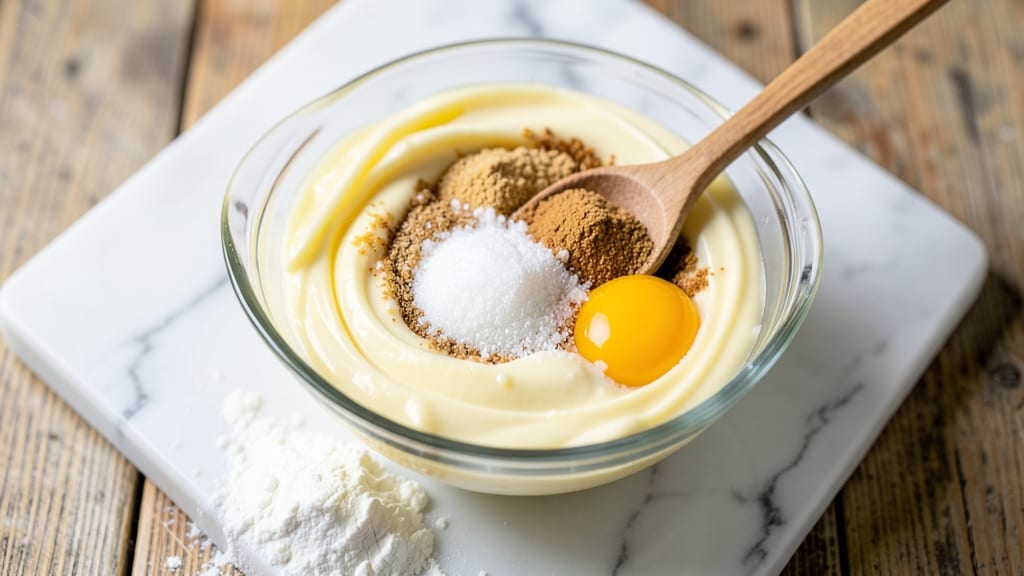
Betty Crocker’s Mary’s Sugar Cookies recipe delivers the nostalgic magic of swirled vanilla and rainbow sprinkles that turn any kitchen into a childhood memory. These cookies strike the perfect balance between tender centers and crisp edges, with a buttery richness that makes them impossible to resist.
The secret lies in precise measurements and a gentle mixing technique that preserves those signature swirls while keeping the texture just right.
What makes these sugar cookies truly special is their versatility—they’re simple enough for beginners but refined enough to impress guests. The recipe uses classic pantry staples like butter, sugar, and vanilla, with the option to add a touch of almond extract for depth.
Baking at 350°F ensures golden, evenly browned cookies that stay soft for days when stored properly.
Each bite offers a symphony of flavors: the warm vanilla, the sweetness of the sugar, and the playful crunch of rainbow sprinkles on top. The dough’s slightly chewy texture contrasts beautifully with the crisp edges, making them ideal for holidays, potlucks, or just a cozy afternoon treat.
This recipe delivers restaurant-quality results with minimal effort.
For modern adaptations, you can easily substitute ingredients for gluten-free flour or eggless versions without sacrificing flavor. The key is adjusting the mixing time and baking slightly longer to achieve the same tender yet sturdy texture.
Whether you stick to tradition or experiment with variations, these cookies will always bring joy to the table.
Ingredients for betty crocker mary's sugar cookies
Classic pantry staples meet nostalgic magic for these iconic sugar cookies.
| Ingredient | Amount | Notes |
|---|---|---|
| Unsalted Butter 🧈 | 1 cup | Cold, cubed for even mixing |
| Granulated Sugar 🍚 | 1 ½ cups | Superfine preferred for smooth texture |
| Light Brown Sugar 🍚 | ½ cup | Packed, for subtle caramel notes |
| Pure Vanilla Extract 🍯 | 2 tsp | Imitation-free for authentic flavor |
| Large Eggs 🥚 | 2 whole | Room temperature for even mixing |
| All-Purpose Flour 🌾 | 3 ½ cups | Sifted for light, airy dough |
| Baking Powder 🍃 | 1 tsp | Fresh for proper leavening |
| Salt 🧂 | ½ tsp | Fine sea salt for balance |
| Almond Extract 🌿 | ½ tsp | Optional, for depth of flavor |
| Rainbow Sprinkles 🌈 | 1 ½ cups | Jelly or nonpareils preferred |
| Vanilla Icing 🧁 | 1 ½ cups | Store-bought or homemade |
The butter is non-negotiable—use unsalted for precise flavor control. Crisco or Smart Balance work in a pinch, but butter delivers that signature richness. For the sugars, superfine sugar dissolves faster, but regular granulated works if you pulse it in a food processor. Trader Joe's and King Arthur Flour carry high-quality vanilla extract—avoid imitation at all costs. The almond extract adds complexity, but skip it if you prefer pure vanilla. For the sprinkles, WiltonSprinkles Galore are the gold standard, but any brand will do in a pinch.
No vanilla extract? Vanilla bean paste at double the amount works beautifully. Short on almond extract? Extra vanilla extract plus 1/4 tsp almond powder mimics the flavor. For gluten-free adaptations, Bob's Red Mill 1:1 baking flour replaces all-purpose flour, but add 1/4 tsp xanthan gum for structure. Eggless? Flax eggs (2 tbsp ground flax + 6 tbsp water) keep the dough cohesive. The sprinkles can be swapped for colored sugar or crushed candy canes for holiday twists—just adjust the amount to taste.
Store dough in an airtight container with parchment between layers for up to 5 days or freeze for 3 months. Baked cookies stay fresh for 7 days in a sealed container with a slice of bread to maintain moisture. For extra indulgence, freeze baked cookies between parchment sheets and toast at 300°F for 5 minutes before serving. The icing can be piped or drizzled—powdered sugar + milk + vanilla is all you need for classic results.
Why You'll Love This Recipe
- No Mixing Madness: I swear by this dough—it’s one bowl, no stand mixer required. Just creamed butter, sugars, and vanilla, then fold in the flour. My hands are always sticky, but the result? Buttery, tender cookies that taste like nostalgia.
- Vanilla Kiss Magic: That pure vanilla extract? It’s the star. The brown sugar adds just enough caramel depth to make these taste like a bakery’s secret, not a box mix. Honestly, I’ve tried store-bought extracts, but this recipe demands the real stuff.
- Holiday or Hangry Fix: These freeze like a dream—perfect for holiday gifts or when I’m too tired to bake. Toss a batch in the freezer, and they’re ready to pop in the oven anytime. (Yes, even on a Tuesday night when I just want sugar.)
- Budget-Friendly Luxury: Butter, sugar, eggs—these are pantry staples that won’t break the bank. The dough keeps for days, so I make a double batch and share. My wallet and my neighbors thank me for it.
Instructions for betty crocker's Mary's sugar cookies
Here's the classic method to achieve tender, buttery cookies with perfect swirls and rainbow sprinkle magic.
Cream Butter and Sugars to Light and Fluffy
In a large mixing bowl, combine the 1 cup unsalted butter, 1.5 cups granulated sugar, and 0.5 cup light brown sugar. Using an electric mixer on medium speed, beat for 3-5 minutes until the mixture is light and fluffy, nearly doubling in volume. You'll notice the color lighten to a pale yellow and the texture become smooth and creamy.
The key here is patience - this creaming process incorporates air which creates the signature tender texture of Mary's sugar cookies. If you rush this step, your cookies may turn out dense instead of light and buttery. I like to scrape down the sides of the bowl with a rubber spatula every minute to ensure even mixing.
Add Eggs and Extracts for Rich Flavor
To the butter-sugar mixture, add the 2 whole large eggs, 2 teaspoons pure vanilla extract, and 0.5 teaspoon almond extract. Mix on low speed until just combined, about 1 minute. The mixture should be smooth with no visible streaks of egg whites.
This is where the cookies develop their signature vanilla-kissed flavor. The almond extract adds subtle depth that complements the sweetness. Make sure your eggs are at room temperature for even mixing - cold eggs can cause the butter to separate. I always use room temperature eggs for baking to ensure the best texture.
Combine Dry Ingredients for Light Texture
In a separate bowl, whisk together the 3.5 cups all-purpose flour, 1 teaspoon baking powder, 0.5 teaspoon salt. Gradually add this dry mixture to the wet ingredients, mixing on low speed just until combined. Be careful not to overmix - you should still see small flour streaks in the dough.
Overmixing develops gluten which can make your cookies tough. The perfect consistency should be soft and slightly sticky but manageable. If the dough feels too dry, you can add 1-2 teaspoons of milk (though we're not using milk in this recipe, it's a common baking tip). The dough should hold together when pressed but still be soft enough to swirl easily.
Fold in Sprinkles and Chill the Dough
Using a rubber spatula, gently fold in the 1.5 cups rainbow sprinkles. Cover the bowl with plastic wrap and refrigerate for at least 1 hour or up to 24 hours. This chilling step is crucial for several reasons - it firms up the butter for better shape retention, allows flavors to meld, and prevents excessive spreading in the oven.
I find that chilling overnight actually improves the flavor even more. The cold dough also makes the rolling and cutting process much easier. When you're ready to bake, the dough should be firm enough to handle but still pliable. If it feels too hard after chilling, let it sit at room temperature for 10-15 minutes before proceeding.
Roll, Cut, and Bake to Golden Perfection
Preheat your oven to 375°F and line baking sheets with parchment paper. On a lightly floured surface, roll out the chilled dough to about 1/4-inch thickness. Using a cookie cutter or glass, cut out shapes and place them 2 inches apart on the prepared baking sheets.
Bake for 8-10 minutes until the edges are light golden brown but the centers still look slightly underbaked. The cookies will continue to set as they cool. I like to rotate the baking sheets halfway through for even baking. Remove from oven and let cool on the baking sheet for 2 minutes before transferring to a wire rack.
Decorate with Vanilla Icing
While the cookies are still warm, use the 1.5 cups vanilla icing to create the signature swirls. Dip a toothpick in the icing and drag it across the top of each cookie in a gentle swirl pattern. The warmth of the cookies helps the icing set quickly.
Allow the icing to set completely before serving, about 15-20 minutes. The contrast between the warm cookies and cool icing creates the perfect texture. These cookies are best enjoyed fresh from the oven when the icing is still slightly sticky and the cookies are tender. Store any leftovers in an airtight container for up to 5 days.
Pro Tips For Making Betty Crocker Mary'S Sugar Cookies
- CREAM THE BUTTER SLOWLY: I learned this the hard way—dumping cold butter into sugar and whipping it on high just makes a greasy mess. Instead, soften the butter to room temp (press your finger in; it should dent but not smear), then mix it with the sugars on medium speed for 2-3 minutes. This ensures the butter fully incorporates without turning the dough into a sad, lumpy pile.
- USE ROOM-TEMP EGGS: Cold eggs from the fridge will make your dough tougher and harder to roll. Let them sit in warm water (not boiling) for 5 minutes first—just enough to bring them to about 70°F. The dough will be smoother, easier to handle, and less likely to crack when baking.
- CHILL THE DOUGH TWICE: Yes, even if you’re impatient like me. After mixing, refrigerate the dough for at least 2 hours (overnight is better), then roll and cut the cookies. After shaping, pop them back in the fridge for 15-20 minutes before baking. This prevents spreading and guarantees those perfect, crisp edges you’re after.
- SWAP VANILLA FOR ALMOND: The recipe calls for vanilla, but I’ve found that adding ½ teaspoon of almond extract alongside the vanilla (use half the vanilla called for) adds a subtle depth that makes the cookies taste like a bakery’s, not a box mix. It’s a tiny tweak that makes a real difference—trust me.
Common mistakes when making perfect results
Overmixing the Dough
The most common mistake is overmixing the dough after adding the dry ingredients. When you mix too long, gluten develops excessively, making your cookies tough instead of tender. Stop mixing as soon as you see small flour streaks remaining—this ensures that signature soft, cake-like texture.
I’ve ruined batches by letting my mixer run for minutes after the flour disappeared, and the result was dense, chewy cookies instead of the light, buttery ones we want. 🧂
Skipping the Chill
Many people rush the 1-hour chilling step or skip it entirely, thinking they don’t have time. This is a big mistake—the chilling process firms up the butter, preventing excessive spreading in the oven. Without it, your cookies will flatten into sad, misshapen discs.
I’ve learned the hard way: if you’re in a hurry, chill the dough for at least 30 minutes in the freezer instead. The flavors will still meld beautifully.
Using Warm Butter
Soft or warm butter is a common culprit for cookies that spread too much and lose their shape. Always use cold, cubed butter straight from the fridge. If your kitchen is warm, consider chilling the butter for 15 minutes before creaming.
I keep my butter in the freezer for 10 minutes before measuring to ensure it stays cold throughout the process. Warm butter melts too quickly, causing the dough to spread uncontrollably in the oven.
Incorrect Oven Temperature
Baking at the wrong temperature is another frequent mistake. The recipe calls for 375°F, but many ovens run hot or cold. If your cookies brown too quickly on the edges but stay doughy in the center, your oven runs hot—reduce the temperature to 350°F.
If they spread too much and stay pale, increase to 385°F. I always test my oven’s accuracy with a 350°F oven thermometer before baking—it’s a small investment that saves a lot of frustration. 🌡️
Overloading the Baking Sheet
Crowding cookies on the baking sheet leads to uneven baking and cookies that steam instead of crisp up. Leave at least 2 inches between each cookie for proper air circulation. I use parchment paper and arrange cookies in a single layer, rotating the sheet halfway through baking.
Overloading also causes the edges to brown too quickly while the centers stay undercooked—a classic rookie mistake.
Ignoring the Icing Timing
Applying icing too early or too late can ruin the texture. If the cookies are still hot, the icing will melt and pool. If they’re completely cooled, the icing may crack or not adhere well.
The sweet spot is when the cookies are warm but firm to the touch, about 2 minutes after coming out of the oven. Icing while they’re still slightly warm helps it set smoothly, creating those perfect swirls without cracking. 🎨
Nutrition facts
Frequently asked questions
Why do these sugar cookies have such a tender texture?
The secret lies in the 3-5 minute creaming of butter and sugars, which incorporates air for a light texture. The recipe also uses cold butter and a gentle mixing technique after adding flour to prevent gluten development. Chilling the dough further enhances the tenderness by allowing flavors to meld and butter to firm up.
Can I make these cookies without rainbow sprinkles?
The sprinkles add visual appeal but aren't essential. For a classic look, try colored sugar or omit them entirely. If you want extra flavor, fold in 1/2 cup white chocolate chips or chopped nuts instead. The dough's sweetness will still shine through beautifully.
How do I store leftover sugar cookies?
For best results, store baked cookies in an airtight container at room temperature for up to 5 days. To maintain freshness longer, place a slice of bread in the container to absorb moisture. For freezing, wrap individual cookies in plastic wrap and store for up to 3 months. Thaw at room temperature before serving.
What's the best way to make these gluten-free?
Replace the 3.5 cups all-purpose flour with a 1:1 gluten-free baking flour blend (like Bob's Red Mill) plus 1/4 tsp xanthan gum for structure. Reduce the baking powder to 1/2 tsp and increase the chilling time to 2 hours for better texture. The cookies will be slightly denser but still delicious.
Why did my cookies spread too much?
This usually happens when using warm butter or skipping the chilling step. Always use cold, cubed butter straight from the fridge, and chill the dough for at least 1 hour. If your kitchen is warm, chill the butter for 15 minutes before creaming. For extra insurance, bake at 350°F instead of 375°F.